


Mocha vs Latte: Key Differences You Should Know
|
|
Time to read 9 min
Your Cart
Your cart
Favorites





Shop by Brands

Shop by Brands
Shop by Brands


Shop by Brands


Shop by Brands
Shop by Brands

|
|
Time to read 9 min
If you’ve ever stood behind the counter wondering whether customers really want something rich like a mocha or something smooth like a latte, you’re not alone. Both drinks start the same way, with espresso and milk, but how you build them changes everything from flavor to feel.
The mocha leans sweet and chocolatey, the kind of drink that feels like dessert in a cup. The latte, on the other hand, is all about balance: creamy texture, gentle espresso, and subtle comfort.
Knowing the difference helps you serve or make each one with intention, whether you’re crafting a menu or just chasing your ideal morning cup.
In this guide, we’ll break down mocha vs latte in terms of flavor, caffeine, preparation, and presentation so you can decide which one fits your style and your customers’ tastes best.
At a glance:
Mocha is made with espresso, chocolate, and milk. It’s a rich, dessert-like drink that balances espresso bitterness with cocoa sweetness.
A latte combines espresso with steamed milk. Smooth, creamy, and coffee-forward with subtle sweetness from milk.
In flavor and texture, mocha is thicker and sweeter, while latte is lighter and more balanced.
Caffeine and calories differ slightly. Mocha has a bit more caffeine and sugar, while a latte is the healthier, lower-calorie choice.
Choose based on taste. Mocha suits chocolate lovers; a latte is ideal for everyday drinkers who prefer creamy espresso.
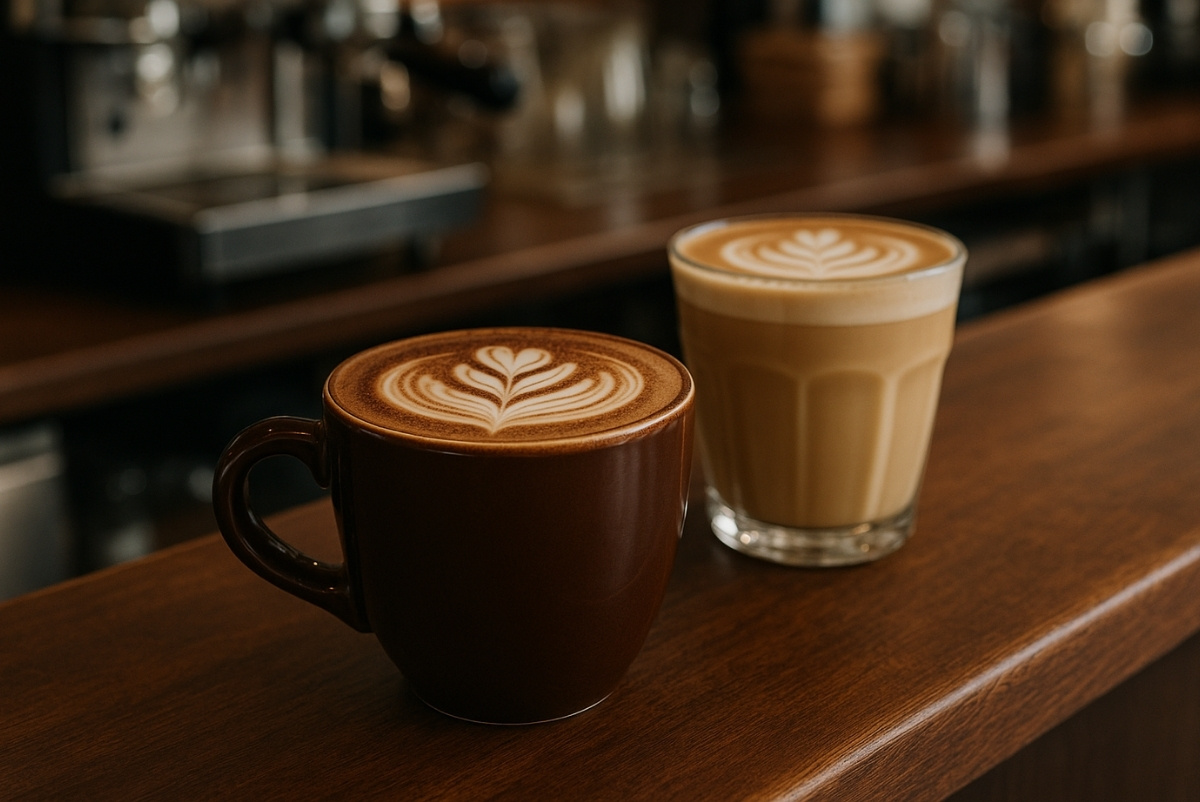
A mocha (also known as caffè mocha or mochaccino) is essentially a chocolate-flavored espresso drink. It combines three main ingredients:
A shot (or two) of espresso
Steamed milk
Chocolate syrup, powder, or melted chocolate
The result is a rich, dessert-like beverage that balances the bitterness of espresso with the sweetness of cocoa. Many baristas finish a mocha with whipped cream or chocolate shavings, but the core flavor comes from the espresso-chocolate harmony.
A latte (caffè latte) means “milk coffee” in Italian. It’s made with:
One or two shots of espresso
A generous amount of steamed milk (around 6–8 oz)
A thin layer of microfoam
The latte’s focus is on texture and balance. The milk softens the espresso’s intensity, creating a smooth, creamy drink with subtle coffee notes, the ideal canvas for latte art and flavored variations.
Both drinks evolved from espresso-based traditions in Italy but took different cultural paths. Here’s a quick look at their origins:
Originally referred to Yemeni coffee beans shipped from the port of Mocha, known for their natural chocolate notes.
European cafés began mixing espresso with cocoa to mimic that flavor, creating the modern mocha.
Became a mainstream favorite in the U.S. in the 1990s as coffee chains marketed it as a sweeter, beginner-friendly espresso drink.
Caffè latte in Italy is a simple breakfast mix of espresso and hot milk—no foam or syrups.
The modern latte style (silky steamed milk + light foam) evolved in American cafés, especially in the Pacific Northwest.
Its rise paralleled the growth of specialty coffee culture and latte art.
With their histories set, it’s easier to see how those roots influence the mocha vs latte differences we notice in cafés today. So let’s move into what sets these two coffee classics apart.
Suggested read: Finding the Best Espresso Grinder for Home Use
Mocha and latte both start with espresso, but how they balance milk, flavor, and sweetness creates entirely different drinking experiences. Here’s a breakdown of what sets them apart:
|
Aspect |
Mocha |
Latte |
|
Base Ingredients |
Espresso, chocolate, steamed milk |
Espresso, steamed milk |
|
Flavor Profile |
Sweet, chocolatey, rich |
Mild, creamy, coffee-forward |
|
Sweetness |
Naturally sweet due to the chocolate |
Minimal (unless flavored) |
|
Milk Ratio |
1/3 espresso, 1/3 milk, 1/3 chocolate |
1/3 espresso, 2/3 milk |
|
Caffeine Content (per 8 oz) |
~95–105 mg |
~80–100 mg |
|
Texture |
Thicker and more decadent |
Smooth and velvety |
|
Common Toppings |
Whipped cream, chocolate drizzle |
Microfoam or latte art |
|
Ideal For |
Those who love dessert-style drinks |
Those who prefer balanced, milky espresso |
While both share an espresso base, their intent differs. Mocha leans indulgent and dessert-like, while latte focuses on balance, texture, and the gentle expression of coffee flavor.
Mocha: The mocha’s defining trait is its indulgent sweetness. The cocoa balances espresso bitterness while amplifying richness. The flavor notes you’ll notice:
Sweet chocolate upfront
Mild bitterness from espresso
Creamy finish from milk and foam
Depending on the type of chocolate used (dark vs milk vs white), mochas can range from bittersweet to candy-like. This makes it a crowd favorite among those who prefer a comforting, dessert-like cup.
Latte: The latte’s charm lies in its texture. It’s not overly sweet. Instead, it highlights the espresso’s subtleties while mellowing them with milk.
Expect:
Gentle coffee aroma
Smooth, velvety body
Slight sweetness from milk sugars
Lattes are also versatile bases for flavor customization. Vanilla, hazelnut, or caramel syrups are common add-ins without overpowering the espresso character.
While caffeine levels can vary depending on the espresso shot used, the mocha generally contains slightly more caffeine because it often uses a double shot to balance the added sweetness.
Here’s an approximate comparison (per 8-oz serving):
|
Drink |
Espresso Shots |
Caffeine (mg) |
|
Mocha |
2 |
95–105 mg |
|
Latte |
1–2 |
80–100 mg |
However, the difference isn’t dramatic. If you’re sensitive to caffeine, both drinks can be adjusted easily by altering shot count or using decaf espresso.
If calorie count matters, the latte has the advantage. A standard mocha contains extra sugar and chocolate, adding around 100–150 more calories than a latte of the same size.
|
Drink |
Approx. Calories (8 oz) |
|
Mocha |
250–300 kcal |
|
Latte |
150–180 kcal |
But health aside, the “better” option depends on what you’re craving — a sweet treat (mocha) or a creamy comfort drink (latte).
From a café owner’s perspective, both drinks serve distinct customer preferences.
Mochas tend to sell better during colder months or dessert pairings, appealing to chocolate lovers and occasional coffee drinkers.
Lattes are all-season staples and form the base for countless café menu variations (flat whites, flavored lattes, cortados).
Offering both ensures your espresso bar caters to both ends of the flavor spectrum — indulgent and refined.
Suggested read: Top 10 High-End Espresso Machines: A Comparison
Both mocha and latte start with espresso, but their preparation diverges once milk and flavor come into play. Here’s how to make each the right way.
To craft the perfect mocha, you’ll need:
Fresh espresso shot (1–2 oz) as the base
Chocolate syrup or cocoa powder (1–2 tbsp) for sweetness
Steamed milk (about 6 oz) to bring everything together
Whipped cream (optional)
Now that you’ve got your ingredients ready, it’s time to bring them together into a rich, café-style mocha that balances espresso strength with chocolate sweetness.
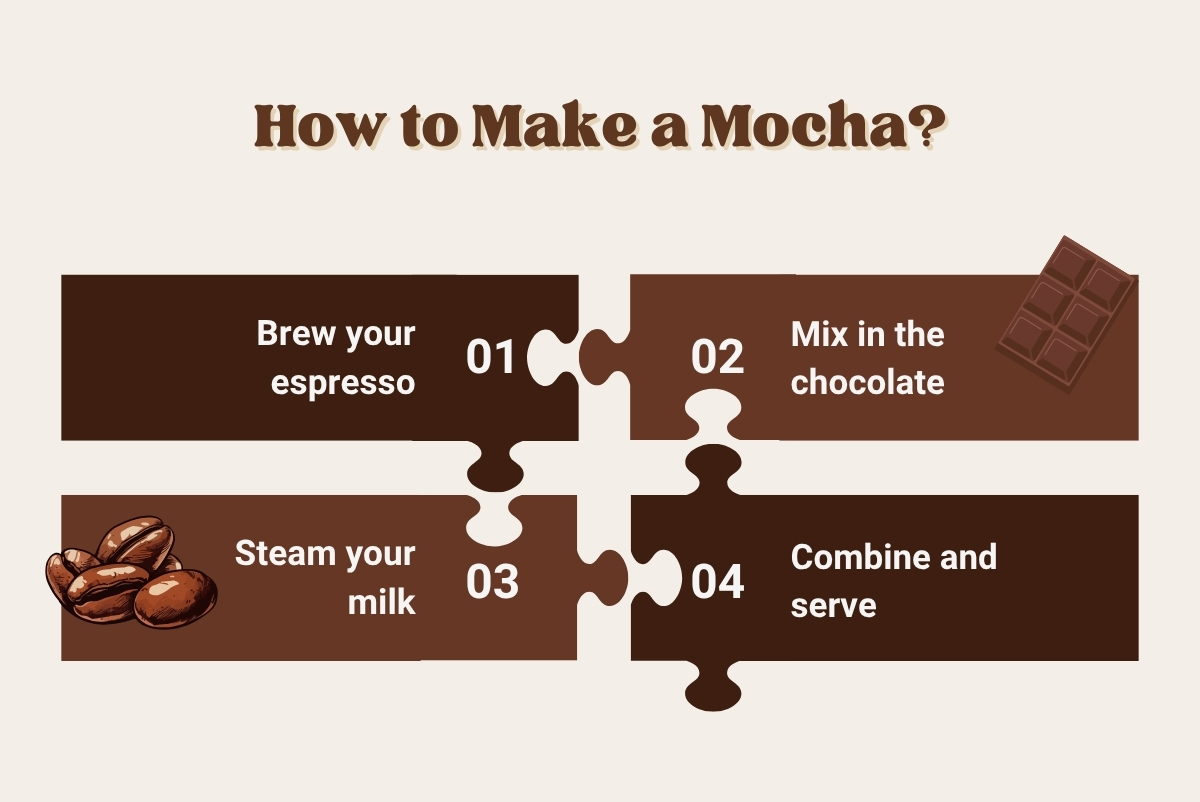
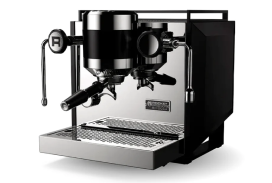
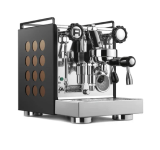
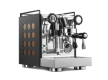
1. Brew your espresso. Use a quality espresso machine with consistent pressure. Machines like the Rocket Appartamento or ECM Synchronika Stainless Steel deliver optimal extraction and crema.
2. Mix in the chocolate. Stir chocolate syrup or cocoa powder directly into the hot espresso until smooth.
3. Steam your milk. Aim for around 150°F with light microfoam.
4. Combine and serve. Pour steamed milk over the espresso-chocolate mix, then top with foam or whipped cream.
Pro Tip: Use dark cocoa if you prefer less sweetness, or milk chocolate for a creamier profile.
To make a balanced, creamy latte, start with:
A double shot of espresso (2 oz) as your foundation
Steamed milk (6–8 oz) for that signature smooth texture
Optional flavor syrup (vanilla, caramel, etc.)
Once your ingredients are ready, it’s all about timing and texture. The key to a great latte lies in how smoothly espresso and milk come together. Follow these steps:
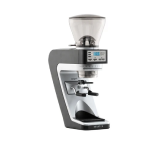
1. Pull the espresso. Consistency is key. A well-calibrated grinder like the Fiorenzato All Ground Sense Dark-T ensures proper extraction.
2. Steam the milk. Create microfoam by submerging the steam wand just below the surface, stretching the milk slightly before texturing it. Ideal temperature: 140–150°F.
3. Pour and finish. Slowly pour the milk over the espresso, holding back the foam with a spoon, then top with a light foam layer or pour freehand latte art.
Pro Tip: For café-style results, always start with cold milk and a clean stainless steel pitcher to maintain texture control. Also, explore Pro Coffee Gear’s lineup of professional espresso machines and precision grinders designed for perfect extraction every time.
Once you’ve mastered the basics, it’s time to explore how these drinks evolve beyond the classic recipes.
Both drinks have evolved into countless adaptations, each reflecting different tastes and brewing preferences. Whether you lean toward something sweet and indulgent or light and balanced, there’s a version of each that fits your mood.
White Mocha: Made with white chocolate syrup for a lighter, creamier sweetness.
Peppermint Mocha: A seasonal favorite that blends mint syrup with rich chocolate.
Iced Mocha: Combines espresso and chocolate with cold milk over ice for a refreshing take.
Iced Latte: Espresso poured over cold milk and ice for a crisp, refreshing cup.
Flavored Latte: Add syrups like vanilla, caramel, or hazelnut to enhance aroma and sweetness.
Matcha Latte: A non-coffee twist made with whisked green tea powder and steamed milk.
Once you’ve explored the flavor twists, it really comes down to personal taste. Do you crave the comfort of rich chocolate or the mellow smoothness of steamed milk? Here’s how to decide which one fits your flavor style.
Suggested read: Basics of Latte Art for Beginners: A Step-by-Step Tutorial
If you’re deciding between the two, it comes down to your preferred flavor balance and texture.
|
If You Prefer |
Go For |
|
Sweet, dessert-like richness |
Mocha |
|
Smooth, creamy coffee |
Latte |
|
Stronger chocolate aroma |
Mocha |
|
Versatile flavor add-ins |
Latte |
|
Less sugar and calories |
Latte |
Both drinks highlight espresso beautifully. The mocha through its bold, chocolatey comfort and the latte through its silky, balanced simplicity.
Both the mocha and the latte showcase espresso in their own way, one through the indulgent richness of chocolate, the other through the smooth balance of milk and crema. When you look at the mocha vs latte experience side by side, it really comes down to what you value most in a cup: sweetness and depth, or subtlety and texture.
Whether you’re perfecting your morning routine or crafting café-quality drinks at home, the key is consistency in your espresso extraction, milk temperature, and ingredient balance. With the right equipment and technique, both drinks can deliver remarkable flavor and satisfaction.
Explore Pro Coffee Gear’s selection of espresso machines, grinders, and accessories to build your ideal setup. With professional tools and expert guidance, you can fine-tune your craft, achieve café-grade precision, and enjoy your perfect mocha or latte anytime.
A latte is generally lighter since it has less sugar. Mocha’s chocolate adds sweetness and extra calories. For a lower-cal option, stick to lattes or use sugar-free chocolate.
A mocha blends espresso, milk, and chocolate for a stronger coffee-and-cocoa profile. A chocolate latte is milkier with a gentler chocolate flavor.
Yes. Brew strong coffee with an Aeropress or Moka pot and froth milk with a handheld frother or shaken jar.
Lattes. Their milk texture is lighter and easier to pour. Mocha’s chocolate base can muddy the surface and make the design work harder.
Iced lattes taste cleaner and more refreshing, while iced mochas are richer and dessert-like. Choose an iced latte for a lighter drink; an iced mocha if you prefer sweetness.
Mocha. The chocolate softens the coffee edge, making it more approachable. Lattes are milder but still more coffee-forward.
Our team can help you find the best fit based on your space, volume, and budget.
Talk to a Specialist

