


Why Coffee Is Acidic and How to Reduce Coffee Acidity
|
|
Time to read 16 min
Your Cart
Your cart
Favorites





Shop by Brands

Shop by Brands
Shop by Brands


Shop by Brands


Shop by Brands
Shop by Brands
|
|
Time to read 16 min
If a morning cup ever leaves you with heartburn, a sour edge on the tongue, or a queasy stomach, you are not imagining it. Coffee is naturally acidic, and that acidity shapes both how your cup tastes and how it sits with you afterward. The good news is that you have a lot of control over it. The beans you choose, the roast, the water, and especially the way you brew all move acidity up or down.
This guide explains what actually makes coffee acidic, where it lands on the pH scale, and the practical changes that give you a smoother, gentler cup without giving up flavor. There is a quick acidity chart by brewing method further down so you can compare your options at a glance.
Coffee is acidic. On the pH scale, where 7 is neutral, most brewed coffee sits between about 4.85 and 5.10, so the answer to whether coffee is acidic or alkaline is clearly acidic. That said, it is far milder than something like lemon juice (around pH 2) or a cola (around pH 2.5). To put it plainly, coffee is an acid, not a base, but a fairly gentle one compared with the citrus and soda many of us drink without a second thought.
The acidity comes from a group of natural organic acids that develop in the bean. Chlorogenic, citric, malic, and quinic acids are the main ones, and they are part of what gives good coffee its brightness and character. Does coffee have acid in it? Yes, several kinds, and in moderation they are exactly what make a cup taste lively rather than flat.
One common point of confusion is caffeine. Caffeine itself is a mildly alkaline (basic) compound, so it is not the source of coffee's acidity. And while people often ask whether coffee makes your body acidic, coffee does not meaningfully change your blood pH, which your body keeps tightly regulated. What it can do is irritate the stomach or trigger reflux in people who are sensitive, which is really what most of us mean when we talk about acidic coffee.
Here is a simple coffee acidity chart that places coffee next to a few everyday drinks, so you can see where it falls. Lower numbers are more acidic, and 7 is neutral.
|
Drink |
Approximate pH |
How Acidic |
|
Lemon juice |
2.0 |
Very acidic |
|
Cola |
2.5 |
Very acidic |
|
Orange juice |
3.5 |
Quite acidic |
|
Drip coffee |
5.0 |
Moderately acidic |
|
Cold brew coffee |
6.3 |
Mildly acidic |
|
Pure water |
7.0 |
Neutral |
|
Baking soda solution |
8.3 |
Mildly alkaline |

Acidity is not one fixed property of coffee. It shifts based on choices you make before the coffee ever reaches your cup. These are the biggest levers.
Bean type: Arabica beans tend to be brighter and more acidic in a pleasant way, while Robusta is lower in acidity but more bitter.
Roast level: Lighter roasts keep more of the bean's natural acids, so they taste brighter. Darker roasts break those acids down during a longer roast, making them mellower on the palate.
Brewing method: Cold brew and espresso generally land lower in acidity than standard drip coffee, mostly because of temperature and contact time.
Water quality: Soft or slightly alkaline water can round out a cup, while certain water can sharpen the perceived acidity.
Origin plays a role too. Beans from Brazil, Sumatra, and Nicaragua are often described as low acid and earthy, while beans from Ethiopia or Kenya are prized for the bright, fruity acidity that some drinkers love and others would rather avoid.
If acidity bothers your stomach or you simply prefer a smoother cup, you do not have to give up coffee. Here is how to make coffee less acidic, starting with the changes that make the biggest difference.
Switch to a darker roast: The extra roasting time breaks down acidic compounds, so a dark roast is one of the simplest ways to lower acidity.
Cold brew it: Steeping coffee in cold water pulls out far less acid than hot brewing, which is why cold brew tastes so smooth.
Coarsen your grind and shorten contact time: Finer grinds and longer steeping extract more acid, so a slightly coarser grind helps.
Brew with slightly alkaline or filtered water: Balanced water keeps a cup from tasting sharp.
Add a tiny pinch of baking soda: A small pinch (about an eighth of a teaspoon per pot) neutralizes acid without changing the flavor much.
Stir in milk or a plant based alternative: The calcium and proteins buffer some of the acid and soften the cup.
If you have ever pulled a shot or brewed a pot that came out unpleasantly sour, that is usually under extraction rather than the beans themselves. To fix sour coffee, grind a little finer, use slightly hotter water, or extend the brew time so the coffee fully develops. Sourness is sharp and tangy, while a balanced cup tastes round and sweet. It is also worth knowing that coffee does get more acidic as it sits, especially once it cools and oxidizes on a hot plate, so brewing only what you will drink soon keeps the flavor cleaner.
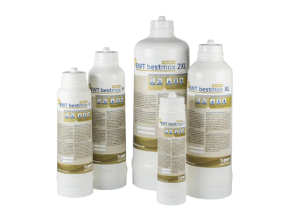
Water deserves special mention, because it makes up the vast majority of your cup. If your tap water is very hard or heavily chlorinated, it can throw off both flavor and perceived acidity. Our guide to how alkaline water enhances coffee flavor digs into this, and a simple coffee machine water filter can make a noticeable difference.
Brewing method is one of the strongest factors in how acidic your coffee turns out. Temperature and contact time decide how many acids are extracted, so two cups from the same beans can taste very different. Use this coffee acidity chart by brewing method as a quick reference.
|
Brewing Method |
Approximate pH |
Acidity Level |
Best For |
|
Cold Brew |
6.3 |
Lowest |
Smooth, sweet, sensitive stomachs |
|
Espresso |
5.5 |
Low to moderate |
Concentrated, short extraction |
|
French Press |
5.1 |
Moderate |
Full body, rich texture |
|
Drip / Pour Over |
5.0 |
Moderate to high |
Clean, bright flavor |
Cold brew is the clear winner for anyone chasing a gentle cup. Because the grounds steep in cold water for 12 to 24 hours rather than being hit with near boiling water, far fewer of the bitter and acidic compounds dissolve. Studies and plenty of home testing put cold brew meaningfully lower in acidity than the same coffee brewed hot, which is exactly why it tastes so smooth and naturally sweet.
Is cold brew less acidic than espresso? Generally yes. Both are smoother than drip coffee, but cold brew's long, cold steep keeps acidity lower than espresso's short, hot extraction. If a low acid cup is your priority, a dedicated cold brew coffee machine makes it easy to batch a smooth, ready to pour supply for the week.
Espresso lands lower than drip largely because of its short contact time, but you can take it further. Reach for a darker roast, dial in a slightly coarser grind to avoid over extracting the brightest acids, and keep your brew temperature from running too high. Fresh, even grinding matters here too, since uneven grounds extract unevenly and exaggerate sour notes. A capable home grinder, like the options in our grinders for home collection, gives you the consistency that smooth espresso depends on.
Beyond brewing, the coffee you buy can be naturally gentler. A few options stand out if you want lower acidity from the start.
Dark roast coffee: The longer roast naturally reduces acidic compounds.
Low acid origins: Beans from Brazil, Sumatra, and Nicaragua tend to be smoother and earthier.
Specialty low acid brands: Some roasters slow roast specifically to cut acidity, and you will sometimes see them marketed as no acid coffee, though no coffee is truly acid free.
Decaf coffee: Decaf is slightly less acidic than regular, since the decaffeination process removes some acidic compounds along with the caffeine.
Wondering how coffee compares with other drinks? Tea is generally less acidic than coffee, with most teas sitting closer to neutral, so it can be an easy swap on days your stomach is unsettled. If you want to weigh up the broader health angle, our comparison of the healthiest coffee types is a useful next read.
What you stir into your cup can either smooth out acidity or make it worse. A few swaps go a long way.
Worth avoiding:
Flavored syrups and lots of sugar: These can add to digestive discomfort and mask poor extraction rather than fix it.
Artificial creamers: Many contain acidic preservatives and oils.
Stale, low quality beans: Poorly processed or old beans often taste sharper and more sour.
Better choices:
Oat or almond milk: Low in acidity, naturally creamy, and easy on the stomach.
A dash of cinnamon: Adds warmth and antioxidants and can soften the perception of acidity.
A small pinch of salt: Counters bitterness and sourness and rounds out the cup.
Moderate coffee has real benefits, but overdoing it can bring on acidity related issues like heartburn and, over time, enamel wear from frequent sipping. The FDA considers up to 400mg of caffeine a day (roughly four to five cups) safe for most healthy adults. If you are prone to reflux, a few adjustments help.
Choose decaf or half caff blends to cut both caffeine and a bit of acidity.
Avoid coffee on a completely empty stomach, when acid hits hardest.
Drink a glass of water alongside your coffee to dilute acid and protect your teeth.
Try a naturally caffeine free alternative like chicory now and then.
If caffeine, rather than acidity, is your main concern, our breakdown of which coffee drinks have the most caffeine shows how the popular options stack up.

Coffee is not acidic in a single, uniform way. It contains a mixture of distinct organic and inorganic acids, and each one plays a different role in what you taste and how your stomach responds. Knowing which acids are present helps you make smarter choices about roast level, brew method, and bean origin.
Chlorogenic acids are by far the most abundant group in raw coffee beans. They are antioxidants, and they also break down during roasting into quinic acid and caffeic acid. This matters practically: lighter roasts retain more chlorogenic acids, while darker roasts produce more quinic acid, which is sharper and more irritating to a sensitive stomach. If you find dark roast coffee harsh rather than smooth, quinic acid is often the culprit.
Citric and malic acids give lighter roasts their bright, fruit-forward character. You will recognise citric acid from citrus fruit and malic acid from green apples. High-elevation beans from regions like Ethiopia or Kenya tend to be higher in these acids, which is why specialty roasters describe those coffees as having stone-fruit or berry notes. They contribute to perceived brightness but are generally mild on the digestive system compared to quinic acid.
Phosphoric acid appears in smaller quantities but punches above its weight on flavour. It creates a clean, almost sweet sharpness without the sourness associated with citric acid. Acetic acid, the same acid found in vinegar, shows up when fermentation during processing goes further than intended or when coffee is over-extracted. A noticeably sour or vinegary cup usually points to acetic acid as the issue, and adjusting your grind size or brew time can bring it back under control.
Chlorogenic acids: highest in light roasts, antioxidant, break down into quinic acid during heavy roasting
Quinic acid: increases with roast darkness, most commonly linked to stomach irritation
Citric acid: fruity brightness, especially prominent in high-elevation African beans
Malic acid: apple-like tartness, common in washed-process coffees
Phosphoric acid: clean, sweet sharpness, adds complexity without sourness
Acetic acid: vinegary off-note, usually a sign of over-fermentation or over-extraction
Roast level is one of the biggest levers you can pull if you want to manage coffee acidity, but the relationship is more nuanced than most guides let on. The common advice is that darker roasts are less acidic, and by pH that is broadly true. The problem is that 'less acidic by pH' does not always mean 'easier on your stomach.'
Light roasts retain the highest concentration of chlorogenic acids, which are actually beneficial antioxidants. As heat increases during roasting, these chlorogenic acids degrade. At medium roast levels, a significant portion has broken down. By the time you reach a dark or French roast, most chlorogenic acids are gone. So far, that sounds like darker roast should be gentler. Here is the catch: the degradation of chlorogenic acids produces quinic acid and caffeic acid as byproducts, and quinic acid in particular is harsh on the stomach lining and contributes to that bitter, sharp aftertaste that dark roast drinkers sometimes notice.
In practice, a medium roast often offers the best balance for people with mild acid sensitivity. It has lost enough of the bright chlorogenic acids to reduce overall pH, but it has not accumulated the quinic acid load that very dark roasts carry. If you are buying beans specifically for a sensitive stomach, look for medium-roast single origins rather than going straight to the darkest option on the shelf.
Grind size is a practical and often overlooked variable in controlling coffee acidity. The basic principle is simple: the finer you grind coffee, the more surface area is exposed to water, and the faster acids and other compounds extract into your cup. A coarser grind slows that extraction down, which means fewer acids make it into the final brew.
This is one reason why cold brew, which uses an extremely coarse grind over a very long steep time at low temperature, ends up with a noticeably lower acid content despite the long contact time. The coarseness limits how aggressively the water pulls acids from the grounds. For hot brewing, if you are using a pour-over or French press and finding your coffee too sharp or sour, grinding one step coarser is often a faster fix than switching beans entirely.
The catch is that grind consistency matters as much as grind size. A cheap blade grinder produces a wide range of particle sizes, meaning some fines will over-extract and contribute harsh acids even if the average particle size is set coarser. A burr-based home grinder gives you a uniform particle size so that every grain extracts at the same rate, which gives you reliable, repeatable control over acidity from cup to cup.
Coarser grind: fewer acids extracted, smoother and less sharp cup
Finer grind: faster and more complete acid extraction, brighter or harsher depending on your preference
Blade grinders create uneven particles, producing unpredictable acidity levels
Burr grinders produce uniform particles for consistent extraction and more control over final acidity
Understanding whether coffee is acidic is useful, but the more practical question for most people is what that acidity actually does inside the body. The answer depends on two separate mechanisms that are easy to confuse: the direct acidity of the coffee itself, and the way caffeine stimulates your stomach to produce its own acid.
The pH of brewed coffee sits between 4.85 and 5.10 on average, which makes it considerably more acidic than water but far less acidic than orange juice or cola. For most healthy adults, that level of acidity causes no noticeable issues. For people with acid reflux or GERD, however, coffee can relax the lower esophageal sphincter, the valve that keeps stomach contents from traveling upward. This effect is largely driven by caffeine rather than the pH of the coffee itself, which is why switching to low-acid coffee alone does not always resolve reflux symptoms.
Tooth enamel erosion is a real but often overstated concern. Coffee is acidic enough to soften enamel temporarily, but the risk is much lower than with carbonated drinks or pure citrus juice. Drinking coffee with meals, staying hydrated, and not brushing your teeth immediately after drinking reduces any erosion risk to a negligible level for most people. If you have existing enamel sensitivity, rinsing with water after your cup is a simple precaution.
Stomach irritation is the complaint most coffee drinkers actually experience. This is usually a combination of caffeine-driven acid secretion and the direct irritation of compounds like quinic acid on the stomach lining. People who are sensitive in this way often do better with cold brew, medium-roast beans, or adding milk to their coffee rather than switching away from coffee entirely. For a broader look at which coffee types are easiest on the body, our guide to healthiest coffee types covers the full picture.
The water you brew with is not a neutral ingredient. Its mineral content, specifically its level of bicarbonates and overall hardness, has a direct effect on how acidic your finished coffee tastes. This is one of the most overlooked variables in home brewing and one of the easiest to adjust.
Hard water contains dissolved bicarbonate minerals, which act as a natural buffer. When hard water contacts the acids in coffee grounds during extraction, those bicarbonates neutralise a portion of the acids before they ever reach your cup. The result is a brew with a noticeably higher pH and a smoother, less sharp taste. Soft water, whether from a water softener or from naturally low-mineral sources, does the opposite: it lacks that buffering capacity, so more of the coffee acids pass through into the brew unchanged.
If you are already using a whole-house water softener or if your tap water is naturally very soft, this could be a contributing factor to coffee that tastes harsh or sour. Using a water filter that retains some mineral content rather than stripping everything out can actually produce a better-tasting and less acidic cup. Our guide to choosing a water filter for your coffee machine explains what mineral levels to aim for and which filter types are worth considering for home espresso and drip setups.
Hard water: bicarbonate minerals buffer coffee acids, producing a smoother, higher-pH cup
Soft water: no buffering minerals, more acids reach the final brew, cup tastes sharper
Fully demineralised water is also bad for espresso machine health, not just cup quality
Aim for water with moderate hardness (around 50 to 175 ppm total dissolved solids) for balanced extraction
If you are shopping for lower-acid beans, the species of coffee matters as much as the roast level or origin region. Arabica beans, which make up the vast majority of specialty and single-origin coffee sold in the US, are higher in chlorogenic acids and generally produce a brighter, more complex acidity in the cup. Robusta beans, which are used heavily in espresso blends and commercial instant coffee, contain fewer of these acids and tend to produce a less acidic but harsher, more bitter cup overall.
For someone whose primary goal is reducing acidity, Robusta-heavy blends sound appealing on paper. In practice, the trade-off is significant: Robusta contains roughly twice the caffeine of Arabica, and caffeine itself is one of the main drivers of stomach acid production and reflux symptoms. A lower-acid cup that delivers double the caffeine may not actually be easier on a sensitive stomach. If acidity and stomach comfort are your priority, medium-roast Arabica from low-elevation regions like Brazil or Sumatra is usually a better starting point than switching species entirely.
Coffee is acidic by nature, but acidity does not have to mean discomfort. By leaning on darker roasts, cold brew, low acid origins, and balanced water, you can shape a cup that is smooth, sweet, and easy on your stomach while still full of flavor. Small tweaks to your grind, your additives, and how soon you drink it add up to a noticeably gentler brew.
Dialing all of that in is a lot easier with the right gear. At Pro Coffee Gear we stock the grinders, espresso machines, and cold brew makers that give you the control to brew exactly the cup you want. Explore our home espresso machines to build a setup that works for your taste and your stomach.
Yes, decaf is generally a little less acidic than regular coffee, because the decaffeination process removes some acidic compounds along with most of the caffeine. It is a reasonable choice if both caffeine and acidity bother you, though brewing method still matters more overall.
All three help in different ways. A tiny pinch of salt counters sourness and bitterness without changing the flavor much. Cinnamon does not lower the actual pH but softens how sharp the cup feels and adds antioxidants. Milk and plant based alternatives like oat and almond buffer some of the acid with their calcium and proteins, so they make coffee taste noticeably less acidic and gentler on the stomach.
Start with a low acid approach: choose a dark roast or cold brew, and pick smoother origins like Brazil or Sumatra. Avoid drinking coffee on a completely empty stomach, go easy on acidic extras like flavored syrups, and add a splash of milk to buffer the cup. Drinking water alongside your coffee helps too. If reflux is persistent, smaller servings and decaf are worth trying.
Higher temperatures pull more acidic compounds out of the grounds, which is why hot drip coffee tastes brighter and sometimes sharper. Lower temperatures, as in cold brew, extract far less acid, giving you a smoother, sweeter, less acidic cup from the same beans.
Yes. As brewed coffee cools and is exposed to air, it oxidizes and can taste more sour over time, especially if it is left on a hot plate. Brewing only what you will drink fairly soon keeps the flavor cleaner and the acidity in check.
Yes. Beans from Brazil, Sumatra, and Nicaragua are often described as low acid, with earthy, chocolatey, nutty profiles. Beans from Ethiopia or Kenya sit at the brighter, more acidic end of the spectrum, which some drinkers seek out and others prefer to avoid.
Our team can help you find the best fit based on your space, volume, and budget.
Talk to a Specialist

