


Coffee Machine Water Filters & Filtration Systems for Businesses
|
|
Time to read 9 min
Your Cart
Your cart
Favorites





Shop by Brands

Shop by Brands
Shop by Brands


Shop by Brands


Shop by Brands
Shop by Brands
|
|
Time to read 9 min
A busy café can have the right espresso machine, skilled baristas, and a strong menu, but poor water quality can still create problems behind the bar. Hardness, chlorine, sediment, and inconsistent source water can affect flavor, slow equipment performance, and increase maintenance needs over time.
For coffee businesses, water filtration is not just about taste. It also supports machine care, daily workflow, and fewer avoidable service interruptions. When filters are ignored or mismatched, your team may deal with more descaling, inconsistent extraction, or equipment stress during service.
This guide will help you understand how commercial coffee water filtration works, which system types matter for machine protection, and how to choose a setup that fits your café, restaurant, or coffee operation.
Commercial coffee water filtration treats incoming water before it reaches espresso machines, brewers, and hot water equipment. The right setup depends on your source water and may target chlorine, sediment, hardness, dissolved solids, or scale-forming minerals.
For cafés and coffee businesses, the goal is simple: protect equipment, improve beverage water, and make filter replacement predictable.
Water directly affects extraction, flavor, scale buildup, and machine performance. For cafés, the main goal is not to study water chemistry in depth. It is to choose a filtration system that reduces the specific issues in your source water.
Most cafés should start by checking hardness, chlorine, sediment, and total dissolved solids. Hardness can create scale, chlorine can affect taste or odor, sediment can collect inside equipment, and dissolved solids influence brewing performance.

Water quality can shift drink flavor even when your team follows the same recipe. A properly matched café water filtration system helps control chlorine, hardness, sediment, or mineral imbalance based on your water test results.
Water test results should guide the filtration choice because hardness, chlorine, sediment, and dissolved solids require different solutions.
Hardness, sediment, and mineral buildup can collect inside boilers, valves, lines, and heating elements. The right filtration system reduces that strain and helps protect machines from avoidable service issues.
Suggested read: Understanding PID Temperature Control in Espresso Machines
Commercial filtration helps cafés reduce scale risk, limit unwanted tastes, and plan cartridge changes more clearly.
Unfiltered or poorly treated water can leave scale inside boilers, valves, and water lines. Better filtration reduces descaling needs, lowers the risk of avoidable service interruptions, and makes maintenance schedules easier to plan.
For operators, cleaner water can improve cup clarity, stabilize espresso recipes, and reduce flavor swings across shifts.
Also Read: Comparing Coffee Brewing Methods to Make the Best Cup at Home
Commercial espresso machines, brewers, and hot water systems run through large volumes of water. A properly matched filtration system reduces scale and sediment buildup before those issues strain internal parts.
Not every café needs the same filtration setup. The right choice depends on source water, drink volume, machine type, and the level of scale and sediment control required.

Carbon block filters reduce chlorine taste, odor, and some unwanted organic compounds. They fit cafés where treated municipal water affects beverage flavor but hardness is not the main issue.
These filters are often a practical fit when your source water tastes or smells treated but does not have severe hardness issues. They can also work inside a larger system when chlorine reduction is one goal.
Scale inhibition systems reduce scale formation inside coffee machines, brewers, boilers, and water lines. They fit cafés with hard water that need mineral control without fully stripping the water.
Reverse osmosis systems remove a broad range of dissolved solids, making them useful for very hard or inconsistent source water. Coffee setups usually need remineralization after RO because low-mineral water can extract coffee unevenly and may not provide the mineral balance some boilers, probes, or sensors are designed to work with.
Multi-stage systems combine several filtration methods in one setup. A system might include sediment filtration, carbon filtration, and scale control.
This type of coffee machine filtration system works for cafés facing multiple water issues. It can address chlorine taste, sediment, hardness, and scale risk in one setup.
Quick Comparison Table
Use this quick comparison to narrow the right filtration path for your café.
|
Filtration Type |
Best For |
Ideal Water Condition |
Café Size Suitability |
Installation Complexity |
Maintenance Level |
|---|---|---|---|---|---|
|
Carbon block filters |
Reducing chlorine taste and odor |
Treated municipal water with low to moderate hardness |
Small to medium cafés, offices, or add-on filtration setups |
Low to moderate |
Cartridge replacement |
|
Scale inhibition systems |
Reducing scale risk |
Moderate to hard water |
Cafés, espresso bars, and restaurants using boilers or brewers daily |
Moderate |
Cartridge or media replacement |
|
RO with remineralization |
Controlling high dissolved solids |
Very hard, high-TDS, or inconsistent water |
Medium cafés, specialty bars, or sites needing tighter water control |
Higher |
Filter, membrane, remineralization, and TDS checks |
|
Multi-stage systems |
Managing mixed water issues |
Water with sediment, chlorine, hardness, or multiple concerns |
Busy cafés, multi-machine setups, and higher-volume coffee programs |
Moderate to higher |
Multiple cartridge schedule |
Filtration needs vary by drink volume, plumbing access, and machine setup.
|
Filter Setup |
Best Fit |
Main Advantage |
Watch For |
|---|---|---|---|
|
Built-in on-machine filters |
Offices, compact machines, and low-volume setups |
Simple connection to compatible machines |
More frequent replacement in busy cafés |
|
Countertop or under-sink filters |
Cafés needing more capacity without a full-shop system |
Supports dedicated machine or brewer lines |
Requires plumbing access and correct sizing |
|
Full filtration system |
Busy cafés, multi-machine setups, and recurring scale issues |
Broader protection for higher water use |
Higher installation and maintenance planning |
Consider a full filtration system if your café deals with frequent scale, inconsistent espresso, or repeated descaling needs. It may also be the better fit when multiple machines, brewers, or hot water stations rely on the same water supply.
The right filtration setup should match your water test results, machine type, and drink volume. Before buying a filter, review the factors that affect scale control, flavor clarity, and cartridge life.
A water test shows what your café needs to filter, including hardness, chlorine, sediment, pH, and total dissolved solids. These results help determine whether you need carbon filtration, scale inhibition, RO with remineralization, or a multi-stage system.
Your filtration choice should match water chemistry and daily water volume. A small café, coffee cart, and high-volume espresso bar may all need different systems.
Use this selection logic:
Chlorine taste or odor: consider carbon filtration.
Hard or high-TDS water: compare scale inhibition or RO with remineralization.
High-volume or mixed water issues: choose a larger multi-stage commercial system.
Before choosing a system, confirm five details: available space, plumbing access, flow rate, cartridge replacement schedule, and service access for staff or technicians.
After you review water quality, usage, and installation needs, maintenance becomes the next priority.
Also read: Important Features to Consider When Buying an Espresso Machine
An espresso machine water filter only works when cartridges are changed on schedule. Overdue filters can allow scale, sediment, or taste issues to return.

Replacement timing depends on your filter type, water quality, and daily water use. A high-volume café will usually go through cartridges faster than a small office coffee bar or a low-volume cart.
Track these details:
Install date and rated cartridge capacity
Estimated daily water use
Pressure or taste changes that suggest the cartridge is overdue
Filter changes are also a good time to inspect the full system. Small leaks, loose fittings, or unflushed cartridges can create bigger service issues later.
Add these checks to your routine:
Flush new cartridges before connecting to coffee equipment.
Inspect fittings for drips, cracks, or looseness.
Check housings for wear or trapped debris.
Sanitize as directed by the filter or system manufacturer.
Confirm flow rate before returning the machine to service.
Water quality can shift because of seasonal changes, municipal treatment updates, or building plumbing conditions. Retest if flavor changes, scale appears, or filters expire faster than expected. Keep simple records of water tests, cartridge changes, and service notes.
Use this table to compare common commercial filtration needs, including chlorine reduction, scale control, remineralization, and RO treatment.
|
Product |
Type |
Best Fit |
Main Differentiator |
|---|---|---|---|
|
BWT Bestmax Premium |
Scale control and taste-focused filtration |
Cafés that need limescale protection and better beverage water |
Magnesium technology with 5-stage filtration |
|
BWT Besthead Flex |
Filter head accessory, not a cartridge |
BWT users with tight installation spaces |
Flexible cartridge connection and placement |
|
BWT Bestmin Premium |
Remineralization filter |
Soft or salt-free water areas |
Adds magnesium-rich minerals back into water |
|
NSC 250 Kinetico Pro |
RO system with blending control |
Low- to medium-volume cafés with very hard or inconsistent water |
RO treatment with blending valve and TDS monitoring |
|
BWT Longlife MG2 Cartridge 3-Pack |
Replacement cartridges |
Smaller compatible BWT setups |
Planned cartridge replacement and magnesium-enriched water |
These options include complete filtration products, replacement cartridges, and one filter head accessory for compatible BWT systems.
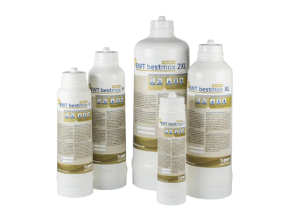
The BWT Bestmax Premium is best positioned for cafés that want limescale protection and better beverage water in one system. Its magnesium technology and 5-stage filtration make it more taste-focused than a basic scale filter.
The BWT Besthead Flex is an installation accessory, not a standalone filtration system or cartridge. It works with compatible BWT water+more cartridges and is mainly useful when tight back-bar or under-counter spaces make standard connections difficult.
The BWT Bestmin Premium is a remineralization-focused option for soft or nearly salt-free water. It is most useful when water needs magnesium-rich mineral content added back for hot beverage preparation.
The Kinetico Pro NSC 250 is the RO-focused option for cafés dealing with very hard, inconsistent, or high-TDS water. RO is usually worth considering when carbon or scale-control filters are not enough, but it may be unnecessary for cafés with already balanced source water. Because RO systems require membranes, storage, blending, and more installation planning, they typically cost more to set up and maintain than simpler cartridge systems.
The BWT 3 Pack Longlife MG2 Cartridge Replacement is a replacement cartridge option for smaller setups using compatible BWT systems. Its main role is cartridge planning: each cartridge is listed for up to 120L or up to 4 weeks.
The right filtration choice helps manage hardness, reduce scale risk, protect machines, and improve flavor clarity.
At Pro Coffee Gear, coffee businesses can compare filtration systems, cartridges, accessories, and commercial coffee equipment based on machine requirements, water test results, and maintenance needs.
For next steps, review Pro Coffee Gear’s filtration and accessories options, or contact our team with your machine model and water test results.
Most commercial coffee machines benefit from filtration, especially with hard water, chlorine, or sediment. Choose the filter based on water test results and machine type.
Change commercial water filters based on rated capacity, water quality, and daily volume. Track install dates, flow changes, and taste changes.
Filtered water can improve espresso consistency by reducing chlorine, sediment, and scale-forming minerals.
A carbon filter reduces chlorine taste and odor. An RO system removes more dissolved solids and often needs remineralization for coffee use.
A water filter may support machine care, but warranty rules depend on the manufacturer. Check the machine’s water quality requirements before choosing a filtration setup.
Yes. Pro Coffee Gear can compare filtration options based on your machine, water test results, café volume, and maintenance needs. Share your machine model and water details for a more specific recommendation.
Our team can help you find the best fit based on your space, volume, and budget.
Talk to a Specialist

