


Is Alkaline Water for Coffee a Game-changer? Let's Find Out
|
|
Time to read 5 min
Your Cart
Your cart
Favorites





Shop by Brands

Shop by Brands
Shop by Brands


Shop by Brands


Shop by Brands
Shop by Brands
|
|
Time to read 5 min
Water makes up well over ninety per cent of your coffee, and yet it is the last thing most people in this industry stop to question. Alkaline water is one of those topics that keeps circling back in café conversations and online forums, usually with strong opinions on both sides.
Some swear it smooths out acidity and improves mouthfeel, while others find it flattens the very notes they worked hard to highlight. We have run this through enough brews to have a clear picture.
This article gives you a straight look at where alkaline water helps, where it falls flat, and what to do instead.
Water pH directly affects extraction, with alkaline water producing a smoother, less sharp cup than acidic water.
Alkaline water works especially well for cold brew, softening bitterness and letting the natural sweetness come through more clearly.
Higher mineral content in alkaline water speeds up scale buildup, so more frequent descaling and daily flushing are essential.
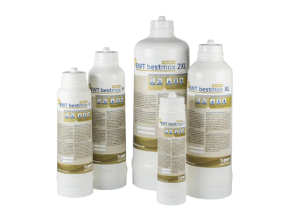
A BWT filtration system like the Bestmax Premium helps manage mineral levels while keeping your extraction balanced and consistent.
Alkaline water delivers better flavor consistency across multiple brews, which makes it particularly useful in busy commercial setups.
Water pH sits on a scale from 0 to 14, with 7 being neutral. Where your water lands on that scale changes how your coffee tastes in the cup.
Acidic water (pH below 7) pulls more acidic compounds out of the coffee grounds during extraction, which can make your brew taste sharp, sour, or unbalanced, especially in lighter roasts.
Neutral water (pH around 7) gives you a fairly clean extraction, letting the coffee's natural flavor profile come through without too much interference from the water itself.
Alkaline water (pH above 7) tends to soften perceived acidity in the cup, and can round out the flavor in a way that feels smoother on the palate.
The minerals dissolved in your water, particularly bicarbonates, play a big role in how flavor compounds are released during brewing.
Research shows that water with higher bicarbonate levels produces a noticeably smoother, less sharp cup, even with the same beans and brew method you have always used.
Also read: Best Type of Coffee to Drink for Different Situations

Switching to alkaline water does not require a complete overhaul of your setup, but the differences it brings to your brew are worth knowing before you decide.
Softer perceived acidity: Alkaline water neutralizes some of the acidic compounds in coffee during extraction, which gives you a cup that feels gentler and more rounded without losing body.
Smoother mouthfeel: The higher bicarbonate content in alkaline water coats the palate differently, and many baristas notice a creamier, more velvety texture in the final cup compared to standard tap water.
More balanced extraction: Alkaline water can reduce the harsh or astringent notes that sometimes come through with over-extracted shots, making it a useful tool when dialing in espresso on darker roasts.
Better flavor consistency: Because alkaline water has a more stable mineral profile, it tends to deliver repeatable results across multiple brews, which is something commercial setups especially benefit from.
Gentler on sensitive palates: For customers who find regular coffee too sharp or acidic, a brew made with alkaline water can feel significantly more approachable without changing the beans or the recipe.
Cold brew already does a great job of reducing acidity through its slow, low-temperature extraction process, and alkaline water takes that even further.
When we started brewing cold brew with alkaline water, the first thing we noticed was how clean and smooth the concentrate tasted straight out of the jar.
The natural sweetness of the beans came through much more clearly, and the usual bitter edge that sometimes lingers at the end of a sip was noticeably dialed back. It made the concentrate easier to drink, even at full strength, which is not something we expected going in.
After running this across several different origins and roast levels, the results stayed consistent. Alkaline water gives cold brew a softer, more polished character that works really well for cafés serving it over ice or as a base for milk drinks.
Alkaline water is generally safe to use in your machine, but the higher mineral content that makes it good for flavor can also lead to faster scale buildup over time.
Bicarbonates and calcium deposits accumulate inside boilers, group heads, and pipes, and if left unchecked, they can affect machine performance and shorten equipment life noticeably.
Staying on top of cleaning makes a real difference here.
Descale regularly: Run a descaling cycle more frequently than you normally would, especially in high-volume commercial settings where water moves through the machine constantly throughout the day.
Flush the group head daily: A quick backflush at the end of each shift removes mineral residue before it has a chance to harden inside the group head and affect extraction quality.
Check your drip tray and steam wand: Mineral deposits show up in these spots early, so keeping them clean gives you a reliable signal of how fast scale is building up in the rest of your machine.
A good water filtration system goes a long way in managing mineral levels before the water even reaches your machine. It reduces scale risk while still preserving the balance that makes alkaline water worth using.
For that, Pro Coffee Gear recommends the BWT Bestmax Premium for higher-volume setups. Both are built specifically for coffee equipment, filtering out impurities while maintaining the ideal mineral balance for extraction.
The BWT Besthead Flex pairs with these filters as the mounting unit, making installation and cartridge changes quick and straightforward.
If you are running a busy café or a multi-machine setup, this combination is one of the most reliable ways to protect your equipment and keep your water consistent.
Also read: Step-by-Step Guide on Cleaning Your Espresso Machine
Alkaline water can genuinely improve your brew, but it works best when you understand the variables involved. Pair it with clean equipment, the right filtration, and quality beans, and the results speak for themselves.
It is a small change that can make a noticeable difference in the cup, whether you are pulling shots behind the bar or brewing at home.
At Pro Coffee Gear, we carry water filtration systems, espresso machines, grinders, and everything else you need to brew better.
Our range covers both home setups and full commercial operations, so you are covered either way.
If you have any questions, get in touch today, and we will help you find exactly what you need.
It can be, depending on your setup. Alkaline water softens acidity and improves mouthfeel, but results vary based on your beans and brew method.
Most brewing experts recommend water between pH 7 and 8. This range supports clean extraction without flattening the coffee's natural flavor notes.
Not directly, but its higher mineral content accelerates scale buildup. Regular descaling and a good filtration system will keep your machine running well.
Yes, noticeably so. It amplifies cold brew's natural smoothness, reduces bitterness, and lets the sweetness of the beans come through more clearly.
A filtration system like the BWT Bestmax Premium is strongly recommended. It manages mineral levels and protects equipment while maintaining good extraction quality.
Our team can help you find the best fit based on your space, volume, and budget.
Talk to a Specialist

