


Barista Job Description: The Role and Responsibilities of a Coffee Shop Barista
|
|
Time to read 17 min
Your Cart
Your cart
Favorites





Shop by Brands

Shop by Brands
Shop by Brands


Shop by Brands


Shop by Brands
Shop by Brands

|
|
Time to read 17 min
So what is a barista? In simple terms, a barista is the trained professional who makes and serves coffee in a cafe, and what baristas do every shift goes far beyond pulling shots and steaming milk. They are part artist, part multitasker, and part customer service pro, all rolled into one. The terms coffee barista and barista mean the same thing: the person behind the bar who turns beans into the drink in your hand and sets the tone for the whole visit.
Whether you are an aspiring barista mapping out the job, or a cafe owner trying to build a stellar team, understanding the role and the responsibilities of a barista is the key to a great coffee experience. This guide walks through the full barista job description, the core duties, the skills that separate good from great, the daily challenges, and how performance is measured. Let us dive in.
A barista job description, at its heart, is short to state and deep to master: prepare and serve high quality coffee and tea drinks, deliver friendly service, and keep the bar running smoothly. In a coffee shop setting, a coffee shop barista job description usually blends drink-making craft with hospitality and light operational work, which is exactly why the role attracts people who like variety in their day.
If you have ever wondered what is a barista job really like day to day, picture a constant rhythm. You are dialing in the grinder first thing in the morning, greeting regulars by name, steaming milk to order, ringing up sales, wiping down surfaces between rushes, and restocking as you go. No two hours look quite the same, and the best baristas thrive on that pace.
Most positions do not require formal qualifications. Cafes hire for attitude and aptitude, then train the technical side on the job. What employers really want is reliability, a genuine interest in coffee, and the ability to stay calm and accurate when the line is out the door.
The table below gives a clean, at a glance summary of the role, the kind of structured overview you would expect to see on a real job posting.
|
Job Element |
Details |
|
Job Title |
Barista (also called coffee barista or cafe barista) |
|
Setting |
Coffee shops, cafes, espresso bars, and food service venues |
|
Key Duties |
Prepare espresso and brewed drinks to standard; provide friendly, accurate service; keep the bar and equipment clean and stocked |
|
Required Skills |
Attention to detail; strong customer service and communication; calm efficiency under pressure |
|
Typical Equipment Used |
Espresso machine, coffee grinder, portafilter and tamper, steam wand and milk pitcher, POS system |
A barista is a vital part of any coffee shop, responsible for creating high quality beverages and a welcoming atmosphere for customers. Their skill and judgment directly influence customer satisfaction and, over time, the success of the business. The rise of specialty coffee culture has elevated the role from simply making drinks to being a coffee expert who shapes customer preferences and loyalty.
Baristas also shape the brand. Their knowledge of coffee origins, brewing methods, and the ability to recommend the right drink enhances a cafe's reputation. Independent and specialty shops rely heavily on baristas to deliver a unique, memorable experience that sets them apart from the big chains. If you are curious how those formats differ, our breakdown of the difference between a cafe and a coffee shop is a helpful companion read.
Beyond making coffee, baristas shape the overall customer experience by engaging with guests, offering recommendations, and keeping the environment friendly. Their interaction sets the tone for the room and the service. A positive encounter with a knowledgeable, warm barista can turn a one-time visitor into a regular.
A great barista recognizes returning customers, remembers their usual order, and suggests new drinks based on what they already like. That kind of personalized service builds a sense of community and quietly drives repeat visits, which is often the difference between a busy shop and an empty one.
The barista duties and responsibilities go well beyond simply making coffee. The responsibilities of a barista come down to precision, consistency, and delivering an excellent customer experience. From pulling espresso to steaming milk for the perfect latte texture, every step takes skill and attention. Baristas have to balance speed with quality so each cup meets the same standard, and their ability to juggle grinding, equipment care, and latte art is a big part of what defines a coffee shop's reputation. Below we break down the key responsibilities every skilled barista should master.

Prepare and serve coffee and tea drinks to a consistent standard.
Grind beans and measure correctly for every drink.
Steam milk to the right texture and temperature.
Create latte art for presentation and a touch of craft.
Clean and maintain workstations and equipment throughout the shift.
Brew espresso based drinks like lattes, cappuccinos, and macchiatos.
Prepare traditional coffee, pour over, cold brew, and tea based drinks.
Work with alternative methods like French press, AeroPress, and siphon brewing when the menu calls for it.
Use grinders to hit the right grind consistency for the method.
Measure precise doses so taste stays consistent cup to cup.
Adjust grind size by brewing method for the best flavor extraction.
Heat milk to the optimal temperature for each beverage.
Create the right milk texture for lattes, cappuccinos, and flat whites.
Adapt steaming technique for plant based milk alternatives, which behave differently from dairy.
Pour latte art to lift drink presentation.
Experiment with new designs to delight customers.
Refine the craft through practice, workshops, and friendly competition.
Latte art is one of the most satisfying skills to build, and it is more approachable than it looks once the milk texture is right. If you want a starting point, our beginner's guide to latte art walks through the first pours step by step.
Keep the workspace, machines, and tools sanitized through the day.
Regularly clean and maintain espresso machines and grinders.
Follow daily, weekly, and monthly maintenance schedules so the gear performs.
Being a great barista takes a blend of technical skill, customer service, and genuine passion for the craft. Barista skills and responsibilities are tightly linked: the more capable you are behind the bar, the more you can take on. It is worth saying plainly what counts as barista experience, since that is often the first question new hires ask. Experience can mean formal training or a barista course, but it just as often comes from on-the-job learning at a busy cafe, or even disciplined practice on a home espresso setup. Barista qualities like patience, consistency, and a good palate develop with reps, not certificates. Below we explore the essential skills every successful barista should build.
Consistency starts with attention to the smallest details. From watching exact brew times to adjusting water temperature, extraction time, and the coffee to water ratio, every variable affects the final cup. Skilled baristas make sure each drink matches the expected flavor, texture, and look, no matter how busy it gets.
A great barista knows that excellent coffee is only half the experience; how customers are treated matters just as much. From a warm greeting to a personalized recommendation, baristas create a friendly, welcoming atmosphere. They also listen and respond to concerns with professionalism, so every guest feels valued.
Coffee shops get hectic, especially at peak hours, and baristas need to keep up without missing a beat. Staying focused, multitasking efficiently, and holding quality under pressure is essential. Whether handling a rush or coordinating with teammates on the fly, calm, quick thinking keeps the workflow smooth and customers happy.
Behind every smooth shift is a team working in sync. Baristas communicate clearly and back each other up during busy stretches, whether that means coordinating drink orders, restocking, or covering a teammate during a rush. Strong collaboration cuts stress and creates a positive vibe customers can feel the moment they walk in.
A true barista is not just making drinks, they are sharing a love of coffee with every cup. Passion drives them to learn about beans, methods, and trends, which lifts the quality of their work and earns customer trust. If you like staying ahead of where the industry is heading, our look at current coffee shop trends and insights is a good place to keep up.
A barista's daily routine involves much more than making coffee. The full set of barista job duties keeps a coffee shop running, and these barista roles and responsibilities shift naturally through the day. From taking orders efficiently to keeping the workspace clean, answering questions, and restocking ingredients, the work calls for precision, efficiency, and teamwork. Below are the key tasks baristas handle to deliver consistent, high quality service.
Take and process orders accurately and quickly.
Keep serving sizes and presentation consistent.
Use digital POS systems and mobile ordering platforms with ease.
Recommend drinks based on customer preferences.
Explain flavor profiles and customization options.
Educate guests on different coffee beans and brewing methods.
Follow health and safety regulations.
Keep utensils, cups, and surfaces sanitized.
Organize storage so ingredients and tools are easy to reach.
Monitor stock of beans, milk, syrups, and cups.
Restock ingredients and flag shortages to management.
Help order specialty beans and seasonal ingredients.
On busier teams, these duties often expand into light operations, the same rhythms that keep a whole shop healthy. Owners and shift leads who want to go deeper will find our guide to managing cafe operations a useful next step.
Being a barista is rewarding and creative, but it has its share of challenges. From a fast pace to demanding customers, baristas have to stay composed and efficient under pressure. Juggling multiple drinks while holding quality and speed takes real multitasking, and long shifts plus the occasional difficult interaction can be tiring. Below are some of the most common challenges and how baristas navigate them.
Working the bar means staying sharp in high pressure moments, especially the morning and weekend rushes. The ability to stay calm, think quickly, and keep attention to detail even when the line is long is essential. Baristas thrive when they can adapt on the fly, prioritize, and deliver quality without sacrificing speed.
A skilled barista can run several drink orders at once without losing accuracy. That means tracking customizations, sequencing drinks, and making each one well, even at peak. Good time management, memory, and an organized workflow keep the line moving and customers satisfied.
Not every interaction goes smoothly, but a professional barista stays composed and courteous. Whether it is a complaint, a mix-up on an order, or an impatient guest, listening actively and responding calmly defuses tension and leaves an impression of care and professionalism.
The role is dynamic, but consistent performance is what keeps standards high. Evaluating a barista's work supports quality control, customer satisfaction, and smooth operations. Performance is not just speed; it includes how well a barista engages with guests, holds drink consistency, and contributes to the team. Below are the core areas used to assess effectiveness and growth.
Customer feedback is a valuable tool for growth. For baristas, it shows what is working and what could be better, from drink quality to the service experience. Listening to feedback signals that opinions matter, builds loyalty, and drives steady improvement for the individual and the shop.
Speed matters, but not at the cost of quality. Baristas work quickly and efficiently to keep wait times down, especially at peak. Streamlining prep and coordinating smoothly with teammates keeps service consistent through the day.
Every cup reflects the shop's standards and the barista's craft. Taste matters most, but presentation counts too. From clean latte art to properly layered drinks, a polished look rounds out the experience and helps build a loyal base.
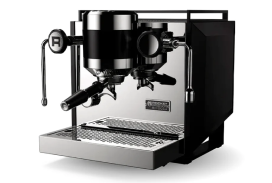
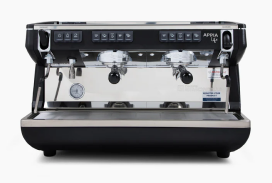
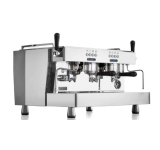
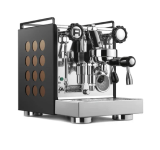
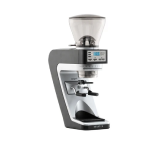
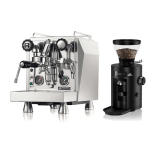
Even the most talented barista is only as good as the gear in front of them. Reliable equipment is what lets skill show up consistently, shift after shift, which is why owners building or upgrading a shop should treat machines and grinders as core investments rather than afterthoughts.
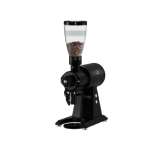
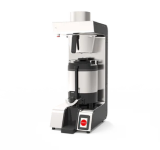
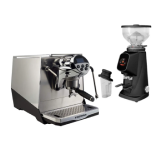
For a busy cafe, a dependable commercial machine and grinder are the backbone of the bar. If you are outfitting a space, browse our range of commercial espresso machines and matching commercial grinders built for volume and consistency. And if you are still in the planning stage, our guide to how much it costs to open a coffee shop will help you budget the equipment alongside everything else.
The word barista is Italian in origin, literally meaning 'bartender' or 'bar person.' In Italy, a barista works behind a bar serving not just espresso but also alcoholic beverages, soft drinks, and light food. The role has existed in Italian coffee culture for well over a century, rooted in the neighborhood cafe tradition where the morning espresso stop is a daily ritual rather than a luxury.
When specialty coffee began spreading through the United States and the United Kingdom in the 1980s and 1990s, English-speaking coffee shops adopted the term to describe the person responsible for making espresso drinks. Over time, the English usage narrowed: in North America, barista almost exclusively refers to a coffee specialist rather than a general bar worker.
Today the word carries weight. Calling someone a barista signals a level of craft and training that separates the role from simply 'someone who makes coffee.' That shift in meaning reflects how seriously the industry now treats extraction technique, milk texture, and drink quality.
Starting as a barista does not mean staying in the same role forever. Many coffee professionals use the position as a launchpad into wider careers within the industry. A barista who consistently delivers quality drinks and builds product knowledge often moves into a lead barista role, taking on responsibility for training newer staff and overseeing daily workflow.
From there, the paths branch considerably. Some baristas progress into cafe management, handling scheduling, inventory, and the operational side of running a shop. Others develop a deep interest in sourcing and roasting, eventually working with roasters or starting their own micro-roastery. Specialty coffee also has a robust competition circuit, and competing in events like the United States Barista Championship is a genuine career-building move for those who pursue technical excellence.
The industry backdrop is encouraging. Specialty coffee in the United States has grown steadily for over a decade, with consumer demand for high-quality, thoughtfully prepared drinks continuing to rise. That demand creates real opportunity for skilled baristas who treat the craft seriously. For anyone thinking about the business side of this growth, understanding current coffee shop trends and industry insights is a useful starting point.
Entry-level barista: learning core espresso and milk-steaming fundamentals
Lead barista: training staff, maintaining quality standards, supporting management
Cafe manager: operations, hiring, inventory, and customer experience oversight
Coffee trainer or educator: teaching technique inside a roastery or independent program
Competition barista: representing a cafe or brand at regional and national championships
Roaster or green buyer: sourcing, developing roast profiles, and building relationships with producers
One of the clearest signals that barista is a true skilled profession is the existence of a well-established competition circuit. The Specialty Coffee Association (SCA) organizes a series of events held across the United States and internationally each year, giving baristas a structured way to measure their skills against peers and gain professional recognition.
The US Barista Championship is the most prominent of these. Competitors are scored on their technical preparation, their ability to explain their espresso choices to judges, the consistency of their drinks, and the overall presentation of their routine. Advancing from regional qualifiers to the national stage requires months of dedicated preparation, including dialing in a specific coffee to a competition-level standard.
Other SCA events include the Brewers Cup, which focuses on manual filter brewing rather than espresso, and the Latte Art Championship, where competitors are judged purely on the precision and creativity of their poured designs. For baristas working in specialty shops, entering even a regional competition is a meaningful way to sharpen technique and build a professional reputation inside the coffee community.
Not every person who makes coffee operates under the same conditions, and the barista title reflects that variation. In a specialty cafe focused on single-origin espresso and manual brewing, the role demands deep knowledge of extraction variables, grind size, water temperature, and seasonal coffee offerings. The barista there is expected to explain what they are serving and why it tastes the way it does.
In a high-volume quick-service environment, the priority shifts toward speed and consistency. A barista in that setting may follow tightly defined recipes and standard operating procedures, with less room for individual technique decisions. The title still applies, but the day-to-day reality of the role looks quite different.
There is also a meaningful distinction between the North American use of the term and its original Italian application. In Italy, a barista serves a wide range of drinks across a full bar, not just coffee. Understanding these differences helps clarify what someone actually does depending on where they work. If you are curious about how cafe formats shape the barista role, it is worth understanding the differences between a cafe and a coffee shop before making assumptions about what the job involves.
While many baristas learn entirely on the job, structured training programs exist for those who want documented credentials or a faster path to technical competence. The Specialty Coffee Association offers the most widely recognized certification framework in the industry. Their curriculum is divided into modules covering Barista Skills, Brewing, Sensory Skills, Green Coffee, and Roasting, each available at Foundation, Intermediate, and Professional levels.
The Barista Skills module is the logical starting point. Foundation level covers the basics of espresso preparation, milk texturing, and cafe hygiene. Intermediate and Professional levels go deeper into extraction theory, equipment calibration, and sensory evaluation. Earning SCA credentials is particularly useful for baristas who want to work internationally or move into training and education roles where a recognized qualification carries genuine weight.
Beyond SCA, a number of specialty roasters and independent coffee schools offer their own training programs, some of which are highly regarded within regional coffee communities. For cafe owners, investing in structured training for your team is one of the most direct ways to improve drink quality and reduce staff turnover, since baristas who feel supported in their development tend to stay longer and care more about the results they produce.
SCA Barista Skills Foundation: espresso basics, milk steaming, hygiene, and simple workflow
SCA Barista Skills Intermediate: extraction theory, equipment troubleshooting, sensory feedback
SCA Barista Skills Professional: advanced calibration, sensory benchmarking, and menu development
Roaster-led programs: often free or subsidized for wholesale cafe accounts
Independent coffee schools: city-based training labs offering hands-on courses for beginners and experienced baristas alike
Barista compensation in the US varies based on location, employer type, and experience level. Entry-level baristas at chain coffee shops typically earn between $13 and $16 per hour as a base wage, while those working at independent specialty cafes in higher cost-of-living cities like New York, San Francisco, or Seattle often earn $17 to $22 per hour or more.
Tips add meaningful income on top of the base wage, particularly in shops with a loyal regular customer base. In a busy specialty cafe, a barista might take home an additional $3 to $8 per hour in tips depending on volume and tipping culture. Some cafes have moved toward service-included or no-tip models, which tends to come with a higher base wage to compensate.
Experienced lead baristas and those with SCA certifications or competition backgrounds can command significantly higher rates, especially when they take on training or consulting work alongside their cafe hours. For cafe owners thinking about building a strong team, budgeting realistically for competitive barista compensation is an important part of hiring and retaining skilled staff.
Their ability to balance precision, speed, and hospitality is what makes baristas an invaluable part of any coffee shop. As the industry evolves, baristas keep refining their craft, embracing new methods and improving the cafe experience. Investing in skilled baristas and high quality equipment is what separates an average coffee shop from a great one.
Want to take your barista skills, or your whole bar, to the next level? Whether you are perfecting espresso shots or fitting out a new space, the right tools make all the difference. Explore our selection of espresso machines, grinders, and accessories at Pro Coffee Gear, because great coffee starts with the right equipment.
No formal qualifications are required to become a barista, but training in coffee preparation, customer service experience, and barista certifications can all help you stand out.
Basic barista skills can be learned in a few weeks, but mastering advanced techniques like latte art and perfectly dialed espresso can take months or years of practice.
Key skills include coffee brewing technique, attention to detail, strong customer service, multitasking, teamwork, and the ability to work efficiently in a fast paced environment.
No. Baristas also prepare tea based drinks, assist with customer service, maintain cleanliness, handle inventory, and often operate the register.
The toughest parts include handling high customer volume, managing multiple orders at once, dealing with difficult customers, and keeping drink quality consistent throughout.
Baristas improve by practicing regularly, taking barista training courses, experimenting with different brewing methods, and staying current with industry trends.
Latte art improves the presentation of coffee drinks, adds to the customer experience, and showcases a barista's skill and creativity.
Professional baristas handle complaints by listening attentively, acknowledging the issue, offering a solution, and keeping a friendly, professional attitude throughout.
Baristas rely on a handful of core tools every shift: the espresso machine and its steam wand, a grinder, portafilters and tampers, milk pitchers, thermometers, and cleaning supplies to keep everything hygienic and dialed in. For a closer look at the kit that earns its place behind the bar, see our guide to barista coffee tools and accessories.
A barista stands out by delivering exceptional service, making consistently high quality drinks, learning new techniques, and showing real passion for coffee culture.
Our team can help you find the best fit based on your space, volume, and budget.
Talk to a Specialist

