


Cafe vs Coffee Shop: What Is the Difference?
|
|
Time to read 14 min
Your Cart
Your cart
Favorites





Shop by Brands

Shop by Brands
Shop by Brands


Shop by Brands


Shop by Brands
Shop by Brands

|
|
Time to read 14 min
When you need a quick caffeine fix, it is easy to find yourself choosing between a coffee shop and a cafe. Both are popular places to sip your favorite brew, but there is more to them than meets the eye. The words get used interchangeably, yet a coffee shop and a cafe usually point to two distinct concepts.
In short, a coffee shop centers on coffee-based drinks and grab-and-go snacks, while a cafe offers a wider food menu and a more relaxed, sit-down feel. This guide breaks down the difference between a cafe and a coffee shop across menu, hours, atmosphere, and the equipment behind the counter, so you can decide where to go next or which concept to build.
By the end you will have a clear coffee shop description to work from, a solid grasp of what a cafe actually is, and a few quick ways to tell the two apart at a glance.

A cafe is an establishment that serves coffee, light food, and drinks in a welcoming, sit-down environment. The word cafe comes from the French word for coffee, and today it describes a broad range of dining and coffee concepts, from a quiet neighborhood corner to a lively all-day eatery. As a quick note on spelling, you may also see caffe, which is simply the Italian spelling of the same word, while cafe is the French form most common in the US.
While coffee stays at the heart of a cafe, the format is built for lingering. Cafes are designed to handle a range of tastes and occasions, from a casual catch-up to a leisurely meal, which is what sets them apart from a coffee shop focused mainly on the cup.
A cafe is a broader concept than a coffee shop, and that shows up in a few clear ways.
Cafes offer more than coffee. They provide a fuller dining experience, with a menu that can include sandwiches, salads, pasta, and light hot plates, making them a natural choice for a longer visit. Cafe food typically leans toward baked goods, sandwiches, salads, and simple hot dishes that complement the drink menu rather than overshadow it. Whether you are after a light lunch, a hearty meal, or just a coffee break, a cafe can usually cover it.
Coffee remains a staple, but cafes pour a wider range of drinks: specialty teas, hot chocolate, smoothies, fresh juices, and in some places a small selection of beer or wine. That breadth is part of the appeal, since a cafe aims to have something for people who are not there only for coffee.
Cafes are built for a range of moods. Depending on the place, you might find a cozy, low-key room that suits a quiet break, or a more polished setting that fits a celebratory meal. With comfortable seating and a focus on a welcoming feel, cafes encourage longer stays, whether you are dining, working, or catching up with friends.
These everyday moments show how a cafe fits a variety of occasions.
Brunch with friends: a leisurely weekend brunch with plenty of food and drink choices.
Casual lunch: a quick but satisfying lunch on a busy workday, from fresh sandwiches to hearty salads.
Family outing: a relaxed meal with something for everyone, from a light snack to a full plate.
A cafe is the right call when you want more than a caffeine boost. With a fuller menu and an inviting room, it offers a comfortable mix of food, drinks, and atmosphere for almost any occasion.

A coffee shop is more than a place to grab a daily caffeine fix; it is a spot built around high-quality, coffee-based drinks and an easygoing atmosphere. Coffee shops pour everything from classic espressos to lattes, cappuccinos, and cold brews. Whether you are stopping in for a quick pick-me-up or settling in with a friend, a coffee shop is set up to deliver on the cup first.
A coffee shop carries a handful of defining traits, which we will walk through one by one.
The core of any coffee shop is its coffee. These places specialize in expertly brewed drinks, from traditional espressos to flat whites and macchiatos. A coffee shop definition centers on specialty beverage service, espresso drinks, pour-overs, and cold brew, rather than full meals. Understanding what a coffee shop is helps separate it from a cafe when you are deciding which type of venue to open or visit.
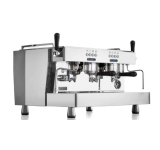
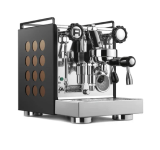
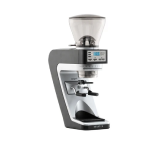
That focus depends on the right gear. Investing in solid espresso machines, grinders, and brewing accessories is what lets a coffee shop deliver the quality customers expect. Pro Coffee Gear carries commercial espresso machines, grinders, brewers, and accessories to help you build a setup that backs up a premium coffee shop description with real performance behind the counter.
Coffee is the main event, but coffee shops usually keep a small selection of light snacks: pastries, muffins, and cookies that complement the drink without competing with it. If you are planning a menu like this, our roundup of grab-and-go menu ideas is a useful starting point.
Coffee shops are made to feel welcoming, with cozy seating, warm lighting, and the smell of fresh coffee in the air. Many add free Wi-Fi, which makes them a natural fit for solo visits, casual meetups, or remote work. The relaxed vibe is one of the format's defining features: a place to unwind, focus, or socialize at your own pace.
Here is how a coffee shop tends to fit into a typical day.
Morning routine: a quick coffee and pastry before work for an easy caffeine boost.
Work or study: a quiet, comfortable spot to get things done over a favorite brew.
Casual meetup: a laid-back chat with a friend over a cup of coffee.
A coffee shop is more than a quick stop; it is an experience built around quality drinks and a comfortable room. If you are thinking about opening one, the right tools make all the difference, and a clear-eyed look at the pros and cons of owning a coffee shop is worth a read before you commit.
The terms coffee shop and cafe get swapped freely, but they describe two distinct kinds of business, each with its own feel. The difference between a cafe and a coffee shop comes down to a few practical things: how broad the menu is, how long people stay, and what the space is built to do. If you are planning a visit, or planning to open one, knowing these distinctions helps you pick the path that fits your concept.
Here is the coffee shop vs cafe comparison side by side, from atmosphere and menu to typical hours and the equipment each one leans on.
|
Category |
Coffee Shop |
Cafe |
|
Primary focus |
Coffee-based drinks |
Coffee plus a full food menu |
|
Menu breadth |
Light snacks and pastries |
Sandwiches, salads, hot plates, desserts |
|
Drinks |
Espresso, lattes, cold brew |
Coffee, tea, juices, sometimes beer or wine |
|
Atmosphere |
Casual, quick, work-friendly |
Relaxed sit-down, built for lingering |
|
Typical visit |
Short, grab-and-go or solo work |
Longer, meals and social time |
|
Typical hours |
Often early morning into afternoon |
Frequently all-day, into the evening |
|
Equipment focus |
Espresso machines and grinders for drink speed |
Espresso plus a fuller kitchen for food service |
When you are choosing whether your next visit, or your new business, should be a cafe or a coffee shop, weigh two things together: the menu you want and the atmosphere you want to create. A tighter coffee-first menu points toward a coffee shop; a broader food program points toward a cafe.
Either way, the equipment behind the counter shapes what you can serve. Reliable cafe and restaurant coffee machines are the backbone of both formats, since consistent espresso is what keeps regulars coming back regardless of the sign over the door. If you want a realistic budget picture before you decide, our guide on how much it costs to open a coffee shop lays out the numbers.
To sum up:
Coffee shops specialize in coffee-based drinks with limited food, built for quick visits and solo time.
Cafes offer a wider menu with a focus on food and a comfortable, social setting for longer stays.
Plenty of places sit somewhere in the middle, borrowing from both ideas to create a hybrid that serves coffee lovers and food lovers alike. Here is how that overlap tends to look, with a tip for telling them apart.
Third-wave coffee shops put high-quality, specialty coffee front and center while also offering artisanal food like sandwiches, salads, and baked goods. They blur the line between a traditional coffee shop and a cafe by pairing a deep focus on coffee with a more developed kitchen.
Brunch cafes lead with a strong brunch menu but still take their coffee seriously. The coffee quality can make them feel like a coffee shop, yet the broader food menu marks them clearly as a cafe for anyone who wants a meal alongside the cup.
Look for names and signage that put coffee first: Coffee Bar, Coffee House, or simply Coffee Shop. These places lead with coffee in their branding and decor, and the layout tends to be casual and efficient, built for speed.
A cafe often uses words like Bistro, Eatery, or simply Cafe, and highlights a fuller menu of sandwiches, salads, and soups. The decor usually matches the food, creating a relaxed room made for longer stays. A great cafe spot is defined as much by its atmosphere as its menu, think communal seating, local art, and a pace that invites lingering. The best coffee spots strike a balance between quality drinks and a space that feels like a local living room. For a deeper look at what keeps that experience running, see our guide to managing cafe operations.
Pay attention to these cues and you can usually tell within a few seconds whether you have walked into a coffee shop or a cafe, which makes it easier to pick the right place for what you actually want.
Whether you are hunting for a reliable place to work through the afternoon or just want a quality cup without any fuss, not every cafe spot is going to deliver the same experience. Knowing what to look for ahead of time saves you from a disappointing visit and helps you find places worth returning to.
Start with the coffee program itself. A cafe spot that invests in a commercial-grade espresso machine and trained baristas will produce noticeably better shots than one treating espresso as an afterthought. Look for visible grinders on the counter, milk being steamed to order, and a menu that lists the origin or roast profile of the beans. These are reliable signals that the shop takes its coffee seriously.
Beyond the cup, think about how the space supports the reason you are there. If you need to focus for a few hours, prioritize spots with plenty of natural light, stable seating, and a noise level that lets you concentrate. If you are meeting someone for a catch-up, a place with relaxed lounge seating and a broader food menu tends to work better than a fast-turnover espresso bar. Matching the cafe spot to your actual purpose is usually the easiest way to guarantee a good visit.
Coffee quality: look for visible grinders, fresh milk steaming, and bean provenance on the menu
Seating variety: a mix of tables, counters, and lounge chairs signals a space designed for longer stays
Menu depth: light food options like pastries or sandwiches extend how long you can comfortably stay
Noise level: specialty cafes often have softer acoustics; grab-and-go spots tend to be louder
Opening hours: check whether the spot opens early enough for your morning routine or stays open late enough for an afternoon session
A lot of searches for 'cafe spot' are really local in nature. Someone wants a good place within walking distance, not an academic breakdown of hospitality categories. If that is where you are starting, a few quick filters on Google Maps or Yelp can narrow things down fast: sort by rating, check the opening hours match your schedule, and look for tags like 'specialty coffee' or 'pour-over' if you care about the quality of the brew rather than just proximity.
Reading the listing carefully also pays off. A venue describing itself as a cafe is likely to have food and a more relaxed, multi-purpose atmosphere. One calling itself a coffee shop or roaster is probably prioritizing the cup above everything else. Neither is better outright, but knowing the difference helps you pick the right spot for the occasion.
Once you find somewhere you like, it is worth understanding a little about what makes that spot run well. Good cafes and coffee shops invest heavily in equipment, staff training, and supply chain relationships. That investment is what shows up in your cup and in the consistency of your experience visit after visit. For a closer look at what goes into keeping a quality spot operating smoothly, our guide on managing a well-run cafe walks through the operational side in plain terms.
Operating hours are one of the clearest practical differences between a dedicated coffee shop and a full-service cafe. Most specialty coffee shops open early to catch the morning commute, often by 6 or 7 a.m., and wind down by 3 or 4 in the afternoon once the main caffeine rush has passed. The menu and staffing are built around peak morning and midday demand, so there is usually little reason to stay open into the evening.
Cafes tend to keep longer hours because their food menu creates a natural reason to visit across multiple day parts: breakfast, lunch, and sometimes dinner. A brunch cafe might not open until 8 a.m. but could stay busy through to 5 or 6 p.m. on weekends. If your reason for visiting is time-sensitive, checking the specific spot's hours before you head out is always the smart move, since these patterns vary widely by location and ownership style.
Specialty coffee shops: typically 6 a.m. to 3 p.m., focused on morning and midday traffic
Full-service cafes: often 8 a.m. to 5 or 6 p.m., covering breakfast through late lunch or early dinner
Weekend brunch cafes: may open later (9 or 10 a.m.) but stay busy well into the afternoon
Late-night cafe spots: less common but exist in university neighborhoods and city centres
If you are on the other side of this conversation and thinking about opening or upgrading a cafe spot rather than just visiting one, the equipment you put behind the counter will define almost everything about the experience you can offer. The espresso machine is the single most important investment: it determines shot quality, workflow speed during rush periods, and how consistently your baristas can perform across a full shift.
For a cafe that blends food service with a serious coffee program, you will also need to think about grinder capacity, a dedicated water filtration setup, and enough counter space to handle simultaneous milk-steaming and food prep without creating a bottleneck. Getting the layout right from the start is much easier than retrofitting it later. Browsing a curated range of commercial espresso machines is a practical first step to understanding what is available at different capacity and price points before you commit to a build-out.
Commercial espresso machine: the heart of any serious cafe or coffee shop setup
Burr grinder: dose consistency directly affects extraction quality and shot repeatability
Water filtration: protects equipment and improves flavor, especially in areas with hard water
Refrigeration and food prep equipment: essential if your cafe spot serves food beyond packaged pastries
POS system and queue management: helps maintain speed of service during peak hours
The best cafe spots tend to become something more than a place to buy coffee. They turn into reliable parts of a neighborhood's daily rhythm: the counter where a regular order is remembered, the table where freelancers set up every Tuesday, the room where a local book club meets once a month. That kind of community gravity does not happen by accident. It comes from ownership and staff who are genuinely invested in the people who walk through the door, not just the transaction.
For anyone evaluating a new spot, the signs of this community role are usually visible quickly. Are there regulars greeting the barista by name? Is there a noticeboard or a corner that hosts local events? Do the staff know what is going on in the neighborhood? These softer signals often predict the quality of the experience more accurately than a polished interior or an Instagram-worthy latte art photo. A cafe spot earns its place in a community over time, and that history tends to show up in every visit.
Whether you are deciding where to go or what to open, understanding how a cafe and a coffee shop differ in menu, hours, atmosphere, and equipment is what gives you clarity. Each format serves a different need, and matching the concept to the experience is what makes a visit satisfying or a business work.
No matter which path you take, good coffee is non-negotiable, and that comes down to the gear behind the counter. Pro Coffee Gear carries espresso machines, grinders, brewers, accessories, and parts to help you dial in quality and build the right setup, whether that is a tight coffee bar or a full-service cafe. If you are planning a new space, our staff coffee shop trends and insights coverage and the rest of our business guides can help you get the details right.
A cafe is a casual, sit-down eatery that serves coffee drinks like drip coffee, cappuccinos, and espresso alongside light food such as sandwiches, pastries, and baked goods. Customers usually order at the counter, then enjoy their food and drinks at a table, often staying a while.
A coffee shop is a place built around coffee and other hot drinks, typically with a small selection of light snacks. It is a casual venue where coffee lovers can enjoy a favorite brew and a quick bite in a relaxed setting.
They are the same word with different spellings tied to different languages. Cafe is the French spelling that is most common in the US, while caffe is the Italian form, sometimes written caffe with an accent. The spelling can hint at a place's style or heritage, but it does not signal a fixed difference in what is served.
Not exactly. They overlap, and the words are often used interchangeably, but a coffee shop usually focuses on coffee with light snacks, while a cafe offers a broader food menu and a more relaxed, sit-down experience meant for longer visits.
Picture the aroma of fresh coffee, white cups on warm wood, small jugs of cream, and the low hum of friendly chatter. It is a space to relax, connect, or simply enjoy a quiet moment over a hot cup at your own pace.
Our team can help you find the best fit based on your space, volume, and budget.
Talk to a Specialist


