


Ultimate Guide to Single-Dose Espresso Grinding
|
|
Time to read 8 min
Your Cart
Your cart
Favorites





Shop by Brands

Shop by Brands
Shop by Brands


Shop by Brands


Shop by Brands
Shop by Brands
|
|
Time to read 8 min
If you’ve noticed cleaner, more expressive espresso compared to traditional hopper setups, it’s often thanks to single-dose espresso grinding. This method involves grinding only the beans needed for each shot, giving you better control over flavor and freshness.
This approach matters because it helps maintain the natural oils and aroma in your coffee beans. For example, cafés using single-dose espresso grinding notice less stale aroma in their daily brews and fewer wasted grams of coffee each day, a small shift that adds up over hundreds of shots.
In this guide, we’ll break down everything you need to know about single-dose espresso grinding, how it works, what tools help you get the best results, and how to apply it in real-world café or home setups.
Single-dose espresso means grinding only what you need per shot, ensuring fresher, cleaner coffee every time.
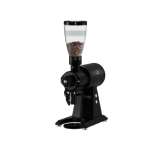
Using grinders like the Compak PK 100 or HeyCafe Jack maintains low retention and consistent dosing.
Key tools: digital scales, dosing funnels, and anti-static accessories to optimize workflow.
Step-by-step workflow: weigh beans, reduce static, purge old grounds, grind directly to the portafilter, and dial in your shot.
Regular calibration, quick cleaning, and proper bean switching make single-dose espresso efficient for home baristas and small cafés.
Single-dose espresso grinding is popular in cafés and home setups because it gives baristas full control over each shot’s bean weight, grind, and freshness while reducing waste and flavor carryover between blends.

Here are the real-deal points to know before diving into single-dose espresso grinding:
Freshness First: Since you grind right before brewing, every shot keeps its natural oils and aroma intact, unlike beans left in large hoppers.
Cleaner Flavors: Grinding per shot minimizes old grounds mixing with new ones, keeping each espresso clean and flavorful.
Full Control: You decide how much to grind and when, no guessing how long beans have sat exposed to air.
Better Bean Switching: Perfect for cafés using multiple blends daily; switch without flushing out leftover grounds.
Less Waste: Single dosing uses exactly what you need-no leftover coffee at closing time.
When adopting single-dose espresso setups, it’s natural to wonder what you gain and what you give up. Small cafés using grinders like the Compak PK 100 or HeyCafe Jack enjoy a cleaner workflow, though it requires slightly more hands-on time from the barista.
Here’s what that balance looks like in everyday use:
Time Investment: Each shot needs its beans weighed and loaded, adding a few seconds per order.
Zero Retention Goal: Grinders such as the Compak PK 100 are built to minimize leftover grounds, a big plus for flavor consistency through the day.
Flavor Stability: The HeyCafe Jack keeps flavors true across batches without heat buildup during continuous use.
Workflow Adjustment: You’ll shift from batch grinding to on-demand prep, ideal for smaller-volume cafés or specialty setups.
Learning Curve: Once you dial in grind settings for different beans, you’ll find the routine becomes intuitive fast.
Before using a single-dose espresso grinder like the Mazzer ZM or Classe 7 S, it helps to grasp the core terms you’ll encounter in daily operation.
Here’s how to decode:
Grind Retention: The small amount of coffee that stays inside a grinder after each use. Modern designs like Mazzer ZM keep this near zero.
Dose & Yield: “Dose” is the coffee weight you grind; “yield” is what flows into your cup. Most baristas target 18–20 g doses for double shots.
Static & Clumping: Fine coffee particles often stick due to static electricity; a quick knock or anti-static feature helps reduce this.
Zero Point: The closest burr position before they touch, important for finding your grind range and adjusting shot flow.
Purging: Running a gram or two through after switching beans removes old residue for fresher flavor output.
To master single-dose espresso, you need the right workflow and the proper equipment to make each shot consistent and flavorful.
Starting with the right equipment makes single-dose espresso grinding more approachable, whether in cafés or home setups, when handling multiple coffee types daily. Using the correct grinders, scales, and accessories ensures a smoother workflow, cleaner shots, and minimal bean waste.

Before grinding, it’s important to know what makes a grinder suitable for single-dose use:
Low Retention Design: Minimizes leftover grounds between doses for a cleaner flavor.
Stepless Grind Adjustment: Allows fine-tuning for espresso or coarser brews.
Cooling & Heat Management: Prevents beans from overheating during long sessions.
Adjustable Dosing Output: Supports different portafilters, dosing cups, or canisters.
Quiet Operation: Maintains a calm workflow in busy environments.
Accurate weighing and clean handling are just as important as the grinder itself:
Digital Scale (0.1 g precision): Ensures exact dosing.
Dosing Funnels or Cups: Guides grounds into the portafilter without spillage.
Anti-Static Tools: Reduce clumping and static.
Brushes & Blowers: Keeps grinder and dosing areas clean.
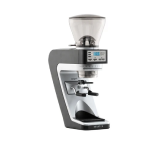
Here’s how each model supports single-dose espresso workflows in practical use:
|
Grinder |
Key Features |
Specs |
|
Low retention, Stepless grind adjustment, Quick-access spout |
Burr Diameter: 80 mm, Burr Speed: 1650 rpm, Hopper: 1.1 lbs, Dimensions: 9.6"L × 7.3"D × 20"H, Weight: 44 lbs |
|
|
83mm flat burrs, Stepless micrometric adjustment, Cooling fan, Portafilter fork support |
Burr Diameter: 83 mm, Burr Speed: 1400 rpm, Hopper: 1.2 lbs, Dimensions: 10"L × 12"D × 22"H, Weight: 55 lbs |
|
|
Low-retention, Stepless adjustment, Advanced cooling, Adjustable tray |
Burr Diameter: 64 mm, Burr Speed: 1.5–3 g/s, Hopper: 0.55 lbs, Dimensions: 9.6"L × 5.5"D × 15"H, Weight: 13.7 lbs |
|
|
Programmable grind settings, Stepless micrometric adjustment, Double-fan cooling, Bag holder & canisters |
Burr Diameter: 83 mm, Burr Speed: 1050 rpm, Hopper: 0.7 lbs, Dimensions: 9.6"L × 16.9"D × 25.3"H, Weight: 170 lbs |
Looking for a grinder built specifically for single-dose espresso? Check out the Mahlkönig X64 SD at Pro Coffee Gear for low-retention, precise grinding that keeps each shot fresh and flavorful.
With the right grinders, scales, and accessories in place, you can follow a clear step-by-step workflow to make every single-dose espresso shot precise and efficient.
Looking for a grinder built specifically for single-dose espresso? Check out the Mahlkönig X64 SD at Pro Coffee Gear for low-retention, precise grinding that keeps each shot fresh and flavorful.
With the right grinders, scales, and accessories in place, you can follow a clear step-by-step workflow to make every single-dose espresso shot precise and efficient.
Getting hands-on with single-dose espresso is easier when you understand each step clearly. In specialty cafés and high-end home setups, following a structured workflow keeps flavors bright and waste low. Using Pro Coffee Gear tools like the Compak PK 100 or HeyCafe Jack ensures that each stage, from weighing to brewing, is simple and efficient.

Here’s how professional setups manage single-dose grinding with minimal hassle-let’s walk through the key actions:
Exact Dose: Measure the beans for each shot, usually 18–20 g for a double espresso, to avoid over- or under-extraction.
Digital Scales: Use a scale from Pro Coffee Gear to ensure repeatable dosing without guesswork.
Batch Control: Helps when running multiple blends in a café or tasting different beans at home.
Minimal Handling: Limit agitation of beans to reduce fines and static.
Anti-Static Measures: Tools in Pro Coffee Gear grinders like the PK 100 or HeyCafe Jack minimize clumping for cleaner dosing.
Workflow Example: Professional baristas sometimes tap or gently shake the dosing funnel to settle grounds evenly.
Single-Dose Loading: Place beans directly into the grinder hopper designed for single dosing.
Purge Old Grounds: Release a small amount of coffee before the main grind to remove any leftover particles from previous beans.
Customer-Centric Question: Notice leftover flavors when switching beans? A quick purge prevents that completely.
Direct-to-Portafilter or Canister: Capture grounds without excess exposure to air, preserving the aroma and flavor.
Weight Check: Match output to initial dose for minimal waste.
Analogous Example: It’s like squeezing toothpaste; only what you need comes out, with no leftovers.
Adjust Flow: Fine-tune the grind size using Pro Coffee Gear grinders if the espresso runs too fast or slow.
Monitor Brew: Taste and observe each shot, making small adjustments.
Industry Use Case: Specialty cafés routinely track extraction times per bean type, refining recipes daily for peak flavor.
Once you’ve mastered the step-by-step workflow, knowing key tips and avoiding common pitfalls ensures your single-dose espresso shots stay flavorful and consistent.
Even experienced baristas and home brewers face challenges with single-dose espresso. Understanding key factors can streamline workflow and keep flavors bright. Using Pro Coffee Gear grinders like the Mazzer ZM or Classe 7 S simplifies these steps.
Here are the main factors that influence daily single-dose espresso work, practical points that really matter:
Grind Retention: Low-retention burrs like Mazzer ZM reduce leftover grounds and waste.
Purge Workflow: Release a small amount before grinding the full dose to avoid old coffee interference.
Static & Clumping: Tools from Pro Coffee Gear minimize fines sticking; gently shake the dosing funnel if needed.
Bean Switching: Quick changeovers are easier with low-retention grinders like HeyCafe Jack and Compak PK 100.
Workflow Efficiency: Regular zero-point calibration and quick-clean spouts keep grinding smooth and fast.
Bonus Tip: Regularly clean burrs and recalibrate the zero point to keep your shots consistent and equipment performing at its best.
Struggling to reduce clumping and improve dosing accuracy? Pair your workflow with the Mahlkönig Dosing Cup from Pro Coffee Gear for clean, precise transfers into your portafilter, making every shot smoother and more consistent.
By applying these tips and avoiding common pitfalls, you can confidently streamline your workflow and get the best results from every single-dose espresso shot.
If you’ve followed along, you now understand how single-dose espresso can elevate every shot by keeping flavors fresh, reducing waste, and allowing precise control over your workflow. Using tools from Pro Coffee Gear, such as the Rancilio Classe 7 S or Mazzer ZM, helps make each stage from grinding to brewing smooth and efficient for both home baristas and small cafés.
Explore Pro Coffee Gear’s curated collection of single-dose grinders, tools, and accessories, built for performance, precision, and long-term durability. By integrating these tools into your setup, you can enjoy cleaner, more flavorful espresso every time, while streamlining your daily routine for maximum enjoyment and performance.
Browse our full selection of single-dose espresso grinders at Pro Coffee Gear.
Most single-dose setups aim for minimal retention, typically less than a gram. Modern grinders from Pro Coffee Gear are designed to keep leftover coffee negligible, which helps prevent flavor carryover between different beans and ensures each shot tastes fresh.
Yes, single-dosing is practical even in high-volume settings if you use grinders built for quick on-demand grinding. Efficient workflow, combined with low-retention designs, allows baristas to maintain speed without sacrificing flavor quality.
Single dosing benefits both roast types because it preserves delicate oils and aromas. Light roasts especially retain more nuanced flavors when ground just before brewing, while dark roasts avoid bitterness from leftover stale grounds.
Minimal retention and proper purging slightly reduce the measured coffee weight, but the impact is small. The trade-off is cleaner shots with true bean flavors, making it worthwhile for specialty espresso workflows.
Recalibration should be done whenever you notice a change in shot flow or after switching to a different bean type. Regular adjustment ensures the grind setting matches the desired extraction, keeping single-dose espresso results consistent and flavorful.
Our team can help you find the best fit based on your space, volume, and budget.
Talk to a Specialist

