


Common Espresso Machine Repairs You Can Do Yourself
|
|
Time to read 8 min
Your Cart
Your cart
Favorites





Shop by Brands

Shop by Brands
Shop by Brands


Shop by Brands


Shop by Brands
Shop by Brands
|
|
Time to read 8 min
If you love starting your day with a rich, flavorful espresso, you know how frustrating it can be when your machine suddenly stops working right. Leaks, weak shots, or cold brews can ruin the entire experience. The good news? Many of these issues don’t require a professional, just a simple espresso machine fix.
Learning to handle small repairs not only saves you money but also keeps your machine running longer. With the right tools and a little guidance, you can solve common problems yourself and enjoy café-quality coffee at home. It’s about confidence as much as convenience.
In this guide, you’ll walk you through the most common espresso machine fix methods, from stopping leaks to improving steam performance. You’ll also cover preventive care, the tools you’ll need, and step-by-step examples to make the process easy to follow.
Let's start!
Most espresso machine issues can be fixed at home with the right tools and guidance.
Common problems include leaks, weak shots, clogged group heads, and steam wand issues.
Use Pro Coffee Gear tools like gasket kits, cleaning tablets, and tubing for quick fixes.
Regular preventive care, like backflushing, descaling, and gasket checks, helps extend machine life.
Quick step-by-step repairs save time, reduce downtime, and keep espresso tasting café-quality.
Leaks are among the most common problems that espresso lovers face, and they can quickly make brewing messy and frustrating. The good news is that most leaks are easy to spot and even easier to repair if you have the right tools.
Below are the fixes that will save your shots and your counter space.

A worn gasket or dirty seal around the group head is usually the reason for leaks during brewing. If ignored, it weakens the shot and wastes coffee. Luckily, this espresso machine fix is straightforward and takes just a few minutes.
Here’s what you can do to stop the leaks for good:
Identify the cause: Look for worn, cracked, or flattened gaskets around the group head.
Replace with new gasket kit: Install a food-grade Pro Coffee Gear gasket to restore the seal.
Outcome: A tight seal means no more drips, stronger pressure, and a richer shot.
Analogy: Think of the gasket like a car’s tire seal. When it’s worn, air escapes; when replaced, the grip returns.
Customer check-in: Do you notice water dripping even when your portafilter is locked in tight? That’s your signal to change the gasket.
If you find yourself emptying the drip tray more than once a day, it usually means excess water is escaping where it shouldn’t. Most of the time, the problem lies in a cracked hose or loose internal connection.
Here’s the espresso machine fix you can do to solve the issue without calling a technician:
Inspect the hoses: Remove the machine panels and check if water lines are cracked, loose, or clogged.
Swap with Pro Coffee Gear tubing kit: Replace damaged hoses with durable food-grade tubing.
Tighten connections: Use the screwdriver set to secure loose fittings.
Outcome: A clean, dry counter and less wasted water.
Industry tip: Commercial cafés schedule regular hose inspections to avoid sudden breakdowns during rush hours.
Customer tip: If your drip tray fills even when you’re not brewing, it’s almost always a hose problem.
Explore practical solutions for the most common espresso machine issues you can fix yourself at home.

Every espresso machine owner eventually runs into problems like weak shots, no steam, or even a machine that won’t power on. Most of these issues are simple once you know where to look, and they can be fixed with the right tools at home.
Here are the most common problems and how to handle them:
Check temperature stability: Use the thermometer to test if the water reaches the ideal range.
Diagnose with a multimeter: Confirm if the thermostat or heating element is faulty.
Replace faulty parts: Install a thermostat or heating control part.
Outcome: Hot, stable water temperature that brings out balanced espresso flavors.
Analogy: Brewing with cold water is like baking bread in a half-heated oven; it just won’t rise properly.
Customer tip: If your coffee tastes sour even with fresh beans, your machine probably isn’t heating enough.
Inspect shower screen: Remove and scrub with Pro Coffee Gear group head brush.
Descale the system: Run Pro Coffee Gear descaling solution through the machine to clear mineral deposits.
Outcome: Strong, even water flow and proper espresso extraction.
Industry note: Cafés descale machines regularly because even minor scale slows output during rush hours.
Customer check-in: Does water come out unevenly or just dribble? That’s a clear sign of clogs.
Backflush properly: Use Pro Coffee Gear Cafiza for a full system flush.
Clean the portafilter basket: Residues here can also ruin the taste.
Outcome: Fresh-tasting espresso with no bitterness or rancid notes.
Analogy: It’s like washing a pan with just water, without soap; grease stays behind.
Customer tip: If your espresso tastes “burnt” no matter the beans, it’s time for a deep backflush.
Unclog the tip: Use the steam wand cleaning pin to clear small holes.
Replace O-rings or seals: Install seal kit to stop leaks.
Purge before and after use: Always run steam briefly to keep it clean.
Outcome: Smooth, steady steam flow and silky milk froth.
Industry practice: Professional baristas purge the wand after every milk session to prevent blockages.
Customer check-in: Does your wand hiss but give no steam? That’s a sign of a clogged tip.
Check the fuse: Test with a multimeter to confirm if it’s blown.
Replace the cutoff or fuse: Install a replacement fuse safely.
Inspect the switch: Loose or faulty power switches can also stop current.
Outcome: Reliable startup every time without electrical hiccups.
Safety tip: Always unplug before opening panels; electric shock is no joke.
Customer tip: If the lights don’t come on at all, it’s usually an electrical component, not the pump.
Prime the pump: Run water through to clear any trapped air.
Tighten parts: Use the screwdriver kit to secure loose screws or brackets.
Lubricate where needed: Apply food-safe lubricant to reduce friction noise.
Outcome: Smooth, quiet operation and a longer-lasting pump.
Analogy: It’s like a washing machine wobbling when a bolt is loose, tightening restores balance.
Customer check-in: Does your machine vibrate across the counter? That’s a fixable issue, not a fatal one.
Struggling with leaks and inconsistent shots in your espresso setup? The Rocket OR 4250 Silicone Gaskets at Pro Coffee Gear provide durable, food-grade sealing to restore your machine’s performance and keep every espresso tasting perfect.
Keep your machine running smoothly with these simple daily and monthly maintenance steps.

The best espresso machine fix is the one you never need to make, especially when maintaining high-volume equipment such as self service commercial coffee machines. Regular care keeps your machine running smoothly, prevents expensive breakdowns, and ensures every shot tastes fresh. With a simple routine, you can extend the life of your equipment and keep performance consistent.
Here are the preventive steps you should follow:
Daily flush and wipe: Run hot water through the group head and wipe with a Pro Coffee Gear brush to remove coffee residue.
Steam wand purge: After each milk session, purge and clean with a Pro Coffee Gear steam wand pin to avoid blockages.
Weekly backflush: Use cleaning tablets with a blind filter to clear oils and buildup from the brew path.
Monthly descaling: Descaling should be done after 2 years or more, depending on how bad the water is.
Gasket checks: Inspect group head gaskets monthly and replace when cracked or flattened.
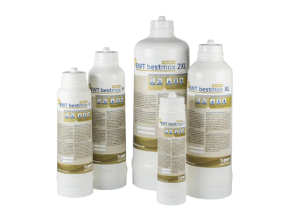
Use filtered water: Prevents scale buildup and improves taste consistency.
Lubricate moving parts: Apply food-grade lubricant to levers and seals to avoid stiffness.
Follow these easy, actionable steps to fix common espresso machine problems in minutes.
Sometimes you don’t need theory, you need quick fixes that get your machine back in action. These step-by-step repairs are straightforward, use simple tools, and take less than 20 minutes in most cases. Anyone with a basic toolkit can do them confidently.
Here are the espresso machine fix steps you can try right away:
Replace group head gasket: Use the gasket removal tool to take out the worn gasket, install a new one from the gasket kit, and lock the portafilter back in for a tight seal.
Unclog steam wand: Insert the cleaning pin into the wand tip to clear milk deposits, then purge with hot steam for full pressure.
Fix weak flow: Remove the shower screen with the screwdriver set, scrub it clean, and backflush with a cleaning tablet to restore water flow.
Swap a damaged hose: Open the side panel, disconnect the cracked hose, and replace it with tubing for leak-free operation.
Check electrical fuse: Use the multimeter to test the main fuse; if it’s blown, swap in a new fuse from your parts kit.
Pro Tip: Keep a box of La Cimbali Eco Cleaner Tablets on hand for regular maintenance. These tablets effectively remove coffee oils and residue, ensuring your espresso machine operates at peak performance and extends its lifespan.
If you’ve made it this far, you know espresso machine problems aren’t intimidating; they’re easy with the right tools. From leaks to steam fixes, simple repairs keep your workflow smooth and shots consistent. With Pro Coffee Gear gasket kits, cleaning tablets, and tubing, most fixes take minutes, not days. Less downtime, fewer surprises, and reliable espresso, every single morning.
For repair tools, accessories, and espresso machine parts that support professional coffee workflows, Pro Coffee Gear’s curated collection. With expert support and reliable products, you can protect your investment, refine your routine, and enjoy café-quality coffee whether you’re running a busy setup or brewing at home.
Basic maintenance like replacing gaskets, cleaning group heads, or hoses usually doesn’t void the warranty. Avoid tampering with sealed electrical components. Always check your machine’s warranty terms before major repairs.
For home use, replace gaskets about once a year. High-volume machines may need it every 4–6 months. Watch for leaks or a loose portafilter as indicators of potential replacement needs.
Vinegar can damage metal parts and leave a taste. Use a purpose-made descaling solution instead. It’s safer, effective, and protects flavor.
Always unplug and let the machine cool before opening panels. Use insulated tools and test components with a multimeter. Avoid wet conditions, and call a professional if unsure.
Hidden oils in the group head, shower screen, or hoses often cause off-flavors. Backflush and clean screens thoroughly. Run a descaling cycle to restore proper taste.
Our team can help you find the best fit based on your space, volume, and budget.
Talk to a Specialist

