


Sanremo Espresso Machine Guide 2026: Models, Specs & Comparisons
|
|
Time to read 15 min
Your Cart
Your cart
Favorites





Shop by Brands

Shop by Brands
Shop by Brands


Shop by Brands


Shop by Brands
Shop by Brands
|
|
Time to read 15 min
Choosing the right espresso machine is not just a purchase decision; it is a commitment to consistency, workflow, and the quality you serve in every cup. If you are a home barista chasing café-level results or a café owner balancing speed with precision, the wrong machine can slow you down, frustrate your team, and compromise extraction.
Sanremo espresso machines sit at the intersection of control and reliability, built for people who care deeply about what ends up in the cup.
Think of it like tuning an instrument before a performance; when the machine is right, everything else falls into rhythm. In this blog, we will break down Sanremo espresso machines, their models, features, and practical use cases to help you choose confidently.
Many Sanremo models use PID or advanced temperature management for consistent shot quality (model-dependent; see individual specs).
YOU and Opera allow baristas to fine-tune flavor by adjusting pressure during extraction.
Single, dual, and multi-boiler architectures match throughput and steaming needs for different service volumes.
Thoughtful layout, group access, and steam wand placement enhance service speed and ease of training.
Routine backflushing, gasket replacement, and annual preventive maintenance sustain performance and longevity.
Sanremo espresso machines are built for professionals who demand precision, durability, and consistency under pressure. Designed and manufactured in Italy, these machines reflect decades of engineering focused on temperature stability, workflow efficiency, and long-term reliability in demanding coffee environments.

Below are the key details that define Sanremo as a brand and explain why its machines are widely used in both specialty cafés and advanced home setups.
Italian Heritage and Manufacturing: Sanremo Coffee Machines is an Italian manufacturer based in the Treviso area (Vascon di Carbonera, TV). The company designs and assembles its machines in Italy, maintaining close control over production quality and mechanical standards.
Engineering Driven By Thermal Stability: Sanremo machines are built around advanced temperature management systems, including multi-boiler configurations and PID control. This allows consistent brew temperatures even during high-volume service, which directly impacts extraction quality and repeatability.
Pressure Control and Extraction Precision: Several Sanremo models integrate pressure profiling technology that allows baristas to adjust pressure throughout the extraction process. This feature supports greater control over flavor development and is particularly valued in specialty coffee environments.
Workflow-Oriented Design Philosophy: Machine layouts are engineered to improve barista efficiency, with ergonomic group placement, intuitive interfaces, and steam systems designed for continuous operation. These design choices reduce fatigue and support faster service during peak hours.
Commercial-Grade Build Quality: Sanremo uses reinforced stainless-steel frames, professional-grade internal components, and serviceable layouts intended for long-term commercial use. This construction approach supports durability, consistent performance, and easier maintenance over time.
Not sure where to start? Here is a quick overview:
Home baristas: Cube R, Cube S, and YOU offer compact footprints, 120 V operation, and café-level extraction control.
Small cafés: The D8, D8 Pro, and Zoe Compact deliver reliable multi-group performance for moderate daily service.
High-volume specialty venues: The F18, F18 SB, and Opera provide multi-boiler architecture, advanced programmability, and sustained throughput.
Also Read: Understanding Espresso Machine Parts and Functions
With the brand’s design approach in mind, let’s explore the full lineup of Sanremo machines and how each model fits different use cases.
Sanremo offers a diverse range of espresso machines designed to meet the needs of home enthusiasts, specialty cafés, and high-volume commercial environments. Below is a closer look at each Sanremo model, including who it’s designed for and how it performs in practical use.
Note: The Sanremo X-One grinder has been moved to a recommended pairing sidebar at the end of this section rather than listed as a main espresso machine model.
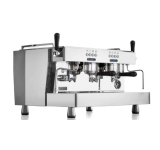
Positioning: High-performance multi-boiler commercial espresso machine designed for busy specialty cafés and competitive environments.
Key Specifications
Group Count: 2 or 3 group options
Boiler Type: Independent multi-boiler system with PID temperature control
Pressure Profiling: Not specified as dedicated pressure profiling, focused on stable brewing and steam performance
Dimensions & Power: Approx. 34.5″–41.6″ W x 26.77″ D x 21″ H; 208-240 V; 30–40 A depending on configuration
Plumbed: Plumb-in installation recommended for optimal performance and stability
Who It’s For
Engineered for specialty cafés, third-wave coffee bars, and commercial venues with consistent high-volume needs.
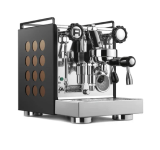
Positioning: Compact heat-exchanger espresso machine combining advanced temperature stability and intuitive control for home baristas and small professional setups.
Key Specifications
Group Count: 1 professional-grade group head with E61 thermosyphon system.
Boiler Type: Heat exchanger boiler (1.9 L) with PID temperature control.
Connectivity: Connectivity features vary by version/SKU. Consult the spec sheet for your model to confirm app or Wi-Fi control availability
Pump & Interface: Rotary pump
Footprint & Electrical: 12.7″ W × 18.3″ D × 14.5″ H; 120 V; 12.5 A; reservoir or optional plumb-in.
Who It’s For
Ideal for dedicated home baristas and compact office spaces seeking reliable espresso and steaming in a small footprint.
Positioning: Professional-grade compact heat-exchanger espresso machine designed for home baristas, small offices, and boutique coffee environments seeking café-level performance.
Key Specifications
Group Count: 1 professional-grade group head with E61 thermosiphon design
Boiler Type: Stainless-steel heat-exchanger boiler (1.9 L) with stable brewing and steam performance
Pressure Profiling: No dedicated pressure profiling, optimized for temperature stability and consistent extractions
Footprint & Power: Compact footprint (≈12.7″ W × 18.4″ D × 13″ H); 110-120 V US operation; 1050–1200 W
Connectivity: Connectivity features vary by version/SKU. Confirm app or scheduling control availability with your retailer or spec sheet
Plumbing: Reservoir fed with removable 1.8 L tank; plumb-in optional
Who It’s For
Home baristas, boutique café counters, and small offices looking for professional-style temperature control and steam power without a large commercial footprint.
Positioning: Modular commercial espresso machine built for professional environments, blending precise brewing control with customizable configuration options to suit growing café workflows.
Key Specifications
Group Count: 2 or 3 professional group heads with individual temperature adjustment for each group.
Boiler Type: Heat-exchanger boiler with stainless steel construction for thermal stability.
Programmable Controls: Up to 7 programmable dose settings and a digital shot timer for consistent extraction.
Footprint & Power: ~32.7″ (2-group) / ~40″ (3-group) width × ~22″ depth × ~22.9″ height; 208–240 V; 21 A (2-group) / 27 A (3-group).
Plumbing: Designed for plumbed installation with professional water filtration recommended.
Who It’s For
Best suited for cafés, restaurants, and specialty coffee outlets needing consistent performance with flexible temperature and dosing control.
Positioning: Advanced commercial espresso machine built on the D8 platform with enhanced thermal insulation, digital controls, and professional features for busy specialty cafés and commercial environments.
Key Specifications
Group Count: 2 or 3 professional group heads with individual temperature control per group.
Boiler Type: Heat‑exchanger boiler with insulated stainless‑steel construction for improved temperature stability.
Programmable Features: Up to 7 programmable doses, digital shot timer, adjustable group temperatures, and weekly ECO programming.
Footprint & Power: 34.5″ (2‑group) / 41.6″ (3‑group) width × 26.77″ depth × 21″ height; 208‑240 V; 31–40 A depending on group count.
Plumbing: Designed for plumbed installation; professional water filtration recommended.
Who It’s For
Engineered for specialty cafés, high‑volume restaurants, and coffee businesses requiring precise control, consistency, and efficient workflow throughout service.
Positioning: Multi‑boiler commercial espresso machine engineered for medium‑to‑high volume coffee venues that require consistent temperature control, programmable workflow, and professional brewing performance.
Key Specifications
Group Count: Available in 2‑group or 3‑group configurations for scalable output.
Boiler Type: Dedicated multi-boiler system with independent brew and steam boilers and real-time stability control, maintaining ±0.2°C accuracy (per F18 technical specification)
Programmability & Control: Four programmable volumetric dosing buttons, LCD temperature/PID display, low‑pressure pre‑infusion settings, and automatic cleaning cycle.
Footprint & Power:
2‑group: ~35.5″ W × 25.5″ D × 20.7″ H; 208–240 V; ~30 A.
3‑group: ~42.2″ W × 25.5″ D × 20.7″ H; 208–240 V; ~35 A.
Plumbing: Plumbed installation with recommended professional water filtration and pressure regulation.
Who It’s For
Designed for specialty cafés, restaurants, and coffee businesses needing stable thermal performance, flexible programming, and robust commercial workflow management.
Positioning: Robust heat‑exchange commercial espresso machine with thermosiphon stability and advanced volumetric controls, bridging high performance and streamlined operation for busy cafés and restaurants.
Key Specifications
Group Count: 2 or 3 professional group heads with SR61 chromed brass thermosiphon circulation.
Boiler Type: Heat‑exchanger boiler (single boiler for brew and steam functions).
Programmable Features: Volumetric dosing, pre‑infusion chamber with control, multifunction display for programming and monitoring.
Footprint & Power:
2‑Group: ~35″ W × 25″ D × 20.25″ H; 208–240 V; 15 A.
3‑Group: ~42″ W × 25″ D × 20.25″ H; 208–240 V; 26 A.
Note: Confirm amperage with your electrician or the official spec sheet, as values vary by wiring configuration and region.
Plumbing: Designed for plumbed installation with recommended filtration; efficient energy‑saving system reduces power usage.
Who It’s For
Best suited for specialty cafés, coffee shops, restaurants, and roasteries that need dependable espresso performance with an intuitive programmable workflow in a single boiler format.
Positioning: Flagship multi‑boiler commercial espresso machine engineered for the highest level of control, customization, and precision in specialty cafés and busy coffee environments.
Key Specifications
Group Count: 2 or 3 professional group heads with independent temperature zones for each group.
Boiler Type: Dedicated multi‑boiler system with separate boilers for steam and each group to provide stable heat and workflow consistency.
Pressure Profiling & Controls: Advanced PID‑controlled temperature system with programmable pressure profiling, pre‑infusion chamber, and post‑infusion adjustments.
Footprint & Power:
2‑group: ~31″ W × 25.2″ D × 17.3″ H, 208–240 V, ~7700 W
3‑group: ~41″ W × 25.2″ D × 17.3″ H, 208–240 V, ~8300 W.
Note: Please refer to the Opera 2.0 brochure for exact chassis dimensions, as standard and tall configurations differ.
Plumbing: Designed for plumbed installation with recommended filtration for consistent water quality.
Who It’s For
Ideal for high‑output specialty cafés, roasteries, and hospitality venues that require precision extraction, consistent repeatability, and control over brew profiles.
Positioning: Premium single‑group dual‑boiler espresso machine with advanced pressure profiling and programmable extraction, designed for serious home baristas and boutique coffee spaces seeking café‑level control.
Key Specifications
Group Count: 1 professional group head with real‑time temperature control and profiling ability.
Boiler Type: Dual stainless‑steel boilers (0.5 L brew + 1 L steam) for simultaneous brewing and steaming with stable thermal performance.
Pressure Profiling & Controls: Internal gear pump with configurable pressure profiling, programmable profiles, pre‑infusion, and touchscreen interface.
Footprint & Power: ~13″ W × 20″ D × 16″ H; 120 V US power configuration; reservoir or direct plumb‑in water options.
Installation: Operates from an internal 2 L reservoir or plumbed water source for flexible placement.
Who It’s For
Ideal for home baristas, specialty boutique cafés, and creative espresso practitioners who demand precision, customization, and fine‑tuned extraction.
Positioning: Commercial compact 2‑group heat‑exchanger espresso machine engineered for small cafés, coffee trailers, and limited‑space commercial setups, offering professional‑grade performance without a large footprint.
Key Specifications
Group Count: 2 professional group heads with twin rapid steam wands and separate brew and steam functions.
Boiler Type: Single boiler heat‑exchanger system allows simultaneous brew and steam.
Controls & Features: Volumetric programming, built‑in shot timers, electronic auto‑level, programmable pre‑infusion, dual pressure gauges (boiler & brew pressure).
Footprint & Power: Approx. 20.8″ W × 20.9″ D × 21.4″ H; 110–120 V US compatible (12.7–14 A, 1400–1700 W) or 208–240 V; 7 L boiler capacity.
Plumbed: Designed for the dedicated plumb‑in water supply with recommended filtration for optimal performance.
Who It’s For
Perfect for small cafés, mobile coffee carts, restaurants, and specialty venues that need consistent espresso output and milk steam performance in a compact footprint.
Positioning: Commercial heat‑exchanger espresso machine with volumetric controls and programmable features, designed to deliver consistent performance for medium‑to‑large cafés and busy specialty venues.
Key Specifications
Group Count: 2 or 3 group heads with shot timers on each group for extraction control.
Boiler Type: Heat‑exchanger boiler with an automatic electronic auto‑level to maintain the correct water level.
Controls & Features: Volumetric dosing, electronic pre‑infusion, double reading gauge (brew & boiler pressure), LED‑lit work area.
Dimensions & Power:
2‑Group: ~28.35″ W × 20.79″ D × 21.14″ H; 208–240 V; ~3300 W
3‑Group: ~37.4″ W × 20.79″ D × 23.7″ H; 208–240 V; ~6000 W
Plumbing: Plumb‑in required with recommended water filtration for stable performance.
Who It’s For
Ideal for specialty cafés, busy restaurant coffee programs, and hospitality setups needing repeatable extraction and strong steam output with advanced controls.
Also Read: Best Espresso Tamper for Perfect Coffee
To make these differences easier to evaluate, the table below compares key specifications and use cases across all models.
Sanremo offers a broad spectrum of espresso machines designed to meet different operational needs, from high‑volume specialty cafés to dedicated home baristas. Below are the key specifications and intended use cases for all current Sanremo models:
|
Model |
Use Case |
Group Count |
Boiler Type |
Pressure Profiling |
Dimensions (W×D×H) |
Plumbable |
Electrical (US) |
|
Sanremo Cafe Racer |
High‑volume specialty café |
2–3 |
Multi‑boiler |
No |
34.5–41.6″ × 26.77″ × 21″ |
Yes |
208–240 V |
|
Sanremo Cube R |
Home/office barista |
1 |
Heat‑exchanger (PID) |
No |
12.7″ × 18.3″ × 14.5″ |
Optional |
120 V |
|
Sanremo Cube S |
Home/office barista |
1 |
Heat‑exchanger |
No |
12.7″ × 18.4″ × 13″ |
Optional |
110–120 V |
|
Sanremo D8 |
Café/commercial |
2–3 |
Heat‑exchanger |
No |
32.7–40″ × 22″ × 22.9″ |
Yes |
208–240 V |
|
Sanremo D8 Pro |
Café/commercial |
2–3 |
Heat‑exchanger (PID) |
No |
34.5–41.6″ × 26.77″ × 21″ |
Yes |
208–240 V |
|
F18 |
High-volume commercial |
2–3 |
Multi‑boiler (PID) |
No |
35.5–42.2″ × 25.5″ × 20.7″ |
Yes |
208–240 V |
|
Sanremo F18 SB |
Commercial |
2–3 |
Heat‑exchanger |
No |
35–42″ × 25″ × 20.25″ |
Yes |
208–240 V |
|
Sanremo Opera |
Flagship commercial |
2–3 |
Multi‑boiler (PID) |
Yes |
31–41″ × 25.2″ × 17.3″ |
Yes |
208–240 V |
|
Sanremo YOU |
Prosumer/boutique café |
1 |
Dual boiler (PID) |
Yes |
13″ × 20″ × 16″ |
Optional |
120 V |
|
Zoe Compact |
Small café/mobile |
2 |
Heat‑exchanger |
No |
20.8″ × 20.9″ × 21.4″ |
Yes |
110–120 V / 208–240 V |
|
Zoe Competition |
Medium café / busy boutique |
2–3 |
Heat‑exchanger |
No |
28.35–37.4″ × 20.79″ × 21–23.7″ |
Yes |
208–240 V |
Note: Electrical values shown as voltage + wattage where available. Amperage varies by wiring configuration and region. Always confirm with the official spec sheet or a qualified electrician.
With specifications laid out side by side, the next step is matching the right machine to your specific workflow and volume needs.
Choosing the right Sanremo espresso machine begins with understanding your daily coffee demands, available space, technical requirements, and the level of control you need over extraction.
The scenarios below help match your needs with the right machine based on realistic workloads and operational expectations.
Home Prosumer Use
If you prepare espresso primarily for yourself, friends, family, or small groups, look for machines that balance performance, footprint, and ease of use. These settings see lighter workloads but still demand precision and consistency.
Cube R: Designed for dedicated home baristas, this compact heat-exchanger machine delivers stable temperature control and professional-style steam power in small spaces.
YOU: Dual boiler with pressure profiling and advanced control makes it ideal for enthusiasts who want café-level customization and repeatable extraction.
Cube S: A strong option for smaller kitchens or boutique counters needing professional steam performance without the footprint of a commercial machine.
These machines fit within smaller counter depths (≤20″) and typically operate from standard 120 V circuits. Plumbing is optional if space or installation flexibility is a priority.
Small Café (50–200 Drinks/Day)
For cafés with moderate daily service demands, you need machines that reliably manage steady throughput without thermal drop‑off, programmable dosing to speed service, and workflow features that support staff efficiency.
Sanremo D8: A versatile commercial option with programmable controls and stable thermal performance.
Sanremo D8 Pro: Enhanced insulation, digital dosing, and ECO programming make it a strong fit where consistency and energy efficiency matter.
Zoe Compact: A 2‑group heat‑exchanger option that provides professional performance and volumetric programming in a smaller footprint.
High‑Volume Specialty Café (200+ Drinks/Day)
High‑output environments demand machines with strong thermal reserves, multi‑boiler architectures, and advanced control features that keep pace with rapid service needs.
F18: Offers multi‑boiler precision, programmable workflow, and robust steam capacity to handle consistent flow throughout the day.
Opera: Sanremo’s flagship machine with true multi‑boiler independence, pressure profiling, and maximum customization for competitive café environments.
F18 SB: A heat‑exchanger‑based option with volumetric programming and energy‑efficient operation for establishments needing both speed and durability.
Use this checklist before committing:
Daily Volume: Estimate expected drinks or shots per day to determine capacity needs.
Available Space: Confirm bench depth and clearance for the machine’s footprint.
Staff Skill Level: Advanced control features (pressure profiling, programmable dosing) require trained barista proficiency.
Power & Plumbing: Identify required voltage, dedicated circuits, and plumb‑in water availability.
Budget Band: Clarify whether the investment is intended for entry prosumer, mid‑range commercial, or flagship machine capabilities.
Now, let us have a look at the maintenance, service, and operating costs.
Proper maintenance and timely service are essential to keep Sanremo espresso machines performing reliably, preserving both shot quality and machine longevity.
Routine Maintenance Tasks:
Backflushing Frequency: Backflush with a blind filter and detergent daily for commercial use and every 2–3 uses for heavy home use. This prevents coffee oil buildup in group heads and solenoid valves.
Group Head Gasket Replacement: Replace group head gaskets approximately every 6–12 months, depending on usage volume, to maintain proper seal and extraction consistency.
Steam Wand Cleaning: Wipe steam wands after each use and purge with steam to prevent milk residue buildup. Deep clean wand tips and internal pathways weekly.
Descaling: Conduct descaling when scale buildup is detected, typically every 3–6 months in hard water areas; frequency may vary with water quality.
Consumables And Replacement Cadence:
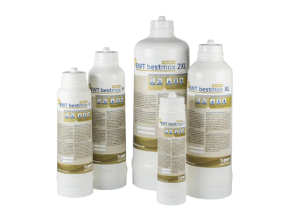
Water Filters: Replace filters every 1–3 months or based on water hardness and volume of use. Clean or replace as part of routine water system maintenance.
Sealing Rings & O‑Rings: Inspect during routine servicing and replace annually or as needed to prevent leaks and maintain stability.
Shower Screens: Check shower screens during regular backflushing cycles; clean or swap every 3–6 months, depending on residue levels in the group head.
Service Recommendations:
Commercial Models: Annual preventive maintenance by a certified espresso technician is recommended to inspect boiler integrity, safety valves, pump performance, and electrical components. High‑volume environments benefit from multi‑point service evaluations.
Home/Prosumer Machines: A biennial check by an authorized technician or experienced service provider helps confirm calibration, boiler health, and control accuracy.
Also Read: French Press vs. Espresso: Differences in Coffee Making
Regular maintenance according to manufacturer guidelines minimizes unplanned service costs and extends machine life.
Sanremo espresso machines combine precise temperature control, robust boiler architectures, advanced pressure profiling, and professional-grade ergonomics to meet a wide range of user needs. Prosumer models like Cube R and YOU suit home baristas or boutique cafés, while commercial machines such as F18, Opera, and D8 series handle high-volume environments with consistent shot quality and workflow efficiency.
For tools, accessories, and parts that support professional coffee workflows, Pro Coffee Gear offers a curated collection built for durability and performance. If you’re ready to transform your home coffee ritual, explore the full Sanremo espresso machines and choose the machine that fits your style and workflow.
Yes. Models like the Cube R, Cube S, and YOU are designed for home or prosumer use and operate on standard 120 V circuits. They provide professional-grade extraction, compact footprints, and optional reservoir operation, making them suitable for US kitchens and small home coffee bars.
The YOU features a dual boiler system with pressure profiling and advanced programmable controls, while the Cube R/S uses a single heat-exchanger boiler with PID control and simpler workflow. YOU is aimed at serious prosumer or boutique café setups, whereas Cube machines suit home enthusiasts or smaller spaces.
For small cafés serving 50–200 drinks per day, the D8, D8 Pro, or Zoe Compact is recommended. These models provide reliable thermal stability, programmable dosing, and dual-group or compact commercial configurations suitable for moderate daily throughput.
Pressure profiling allows baristas to adjust brew pressure throughout the shot, affecting body, acidity, and flavor clarity. Models like YOU and Opera use programmable curves to optimize extraction for specialty coffees, enabling precise control over pre-infusion, peak pressure, and total shot dynamics.
Commercial models and multi-boiler machines (F18, Opera, D8 series) require plumbed water systems, dedicated 208–240 V circuits, and professional installation to ensure safety and performance. Home or prosumer machines may operate with reservoirs and standard 120 V outlets, making professional installation optional but recommended for plumbed setups.
Our team can help you find the best fit based on your space, volume, and budget.
Talk to a Specialist

