


Should You Descale an Espresso Machine?
|
|
Time to read 7 min
Your Cart
Your cart
Favorites





Shop by Brands

Shop by Brands
Shop by Brands


Shop by Brands


Shop by Brands
Shop by Brands

|
|
Time to read 7 min
You own an espresso machine, and you want to keep it in perfect working order. Many people believe that regular descaling is a must-do for every machine. However, the question of should you descale an espresso machine is more complex than it seems, especially for commercial models where descaling can actually cause harm.
Understanding the difference between preventing scale and actively descaling is key to machine longevity and great-tasting coffee. This guide aims to clear up any confusion and give you the right information.
We'll explore why some espresso machines should never be descaled, the best practices for others, and the most effective way to avoid mineral buildup in the first place. Let's dive into how to properly maintain your espresso machine. But first, let’s understand what descaling is.

Descaling is a process aimed at removing mineral deposits from your coffee machine. These minerals, primarily calcium and magnesium, are common in water and can build up over time.
When these minerals accumulate, they form limescale, which can block vital parts of your espresso machine, like heating elements and pipes. If not managed, this buildup can badly affect how well your machine works and even change the taste of your coffee.
Now that we know what descaling is, let's look at why it's a specific concern for commercial espresso machines.
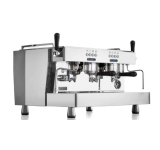
It's crucial to understand that commercial espresso machines require different care than home models. Due to their complex design and materials, descaling them can cause significant problems.
This is a very important point that many people get wrong. Commercial machines are built differently from home machines. They often have more complex internal systems with different metals and parts that can be badly damaged by descaling solutions. Commercial machines should generally not be descaled by owners and should instead be serviced by qualified technicians.
Here's why descaling a commercial machine is a bad idea:
Risk of Damage: Descaling solutions can be very strong. In commercial machines, these solutions can wear down seals, gaskets, and even metal parts. This can lead to leaks, expensive repairs, or even the machine completely breaking down.
Professional Care: Commercial machines need special care from trained technicians. These experts focus on preventing issues and targeted cleaning, not a full descale.
With commercial machines out of the picture for descaling, let's turn our attention to home espresso machines.
For home espresso machine owners, descaling is an option, but it comes with a warning. It’s always better to prevent scale buildup rather than needing to remove it.
For home espresso machines, you can descale them, but it's best to see it as a last option. The smartest way is to prevent scale from building up from the start.
Even though scale can affect home machines, many people descale too often or when it's not needed. Descaling too much, even with home machines, can still put stress on the internal parts over time.
You might think about descaling your home espresso machine if you see clear signs of scale buildup, such as:
Slow Water Flow: Water just trickles out of the brewing spot or steam wand.
Cooler Coffee: Your espresso tastes colder or not as rich.
Loud Machine: Your machine sounds like it's struggling.
However, even with these signs, it's always better to prevent scale in the first place.
Now that you know when descaling might be considered for a home machine, let's talk about the best way to avoid it altogether.
The most effective strategy for preventing scale buildup in any used espresso machine, commercial or home, begins with the water you use. High-quality water is your first line of defense.
This is the most important thing to remember: The best way to stop scale from building up in any espresso machine, commercial or home, is to use good quality water.
Filtered Water: Use water that has been filtered to remove minerals. Many home water filters can greatly reduce the mineral content.
Softened Water: If you live in an area with very hard water, a water softener can be a helpful investment for your home.
Distilled or Reverse Osmosis (RO) Water with Added Minerals: For the absolute best water, some people use distilled or RO water and then add specific minerals back in. This makes sure no scale-forming minerals are present, while still having the right mineral balance for the best coffee taste.
Knowing the importance of good water, let's look at specific cleaning routines to keep your machine in top shape.

Commercial espresso machines are robust but complex, requiring specific care to maintain performance and extend their lifespan. Regular, targeted cleaning and professional servicing are crucial.
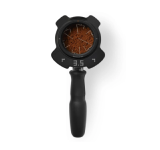
Regular Backflushing: This daily task uses a blank filter and a cleaning solution (like Cafiza) to remove coffee oils and leftover bits from the brewing group. This is very important for consistent flavor and clean machine parts.
Wipe Down Steam Wands: Always wipe your steam wand right after you froth milk to stop milk residue from drying on it.
Professional Servicing: Schedule regular check-ups with a qualified espresso machine technician. They will inspect, clean, and replace worn parts, dealing with any possible scale problems in a controlled and safe way. At, Pro Coffee Gear, we offer a range of commercial espresso machines that benefit from professional servicing.
Taking care of your home espresso machine is simpler than you might think, and small daily efforts can make a big difference in preventing scale and ensuring great coffee.
Use Filtered Water: As mentioned, this is your first step to fighting scale.
Daily Rinsing: After each use, run some hot water through the brewing group to rinse away coffee grounds and oils.
Wipe Down Steam Wand: Just like with commercial machines, clean your steam wand right after using it.
Backflushing (if your machine has it): If your home machine has a three-way valve (common in more advanced home machines), backflushing with a blank filter and a special espresso machine cleaner (like Cafiza) helps keep the brewing group clean.
Regular Cleaning of Parts You Can Remove: Clean your portafilter, baskets, and drip tray often with soap and water.
Check Your Water Hardness: You can buy simple water hardness test strips to understand the mineral content in your tap water. This helps you choose the right water filter.
Now that we've covered cleaning methods, let's tackle some common ideas about descaling that aren't always true.
There are many myths and misunderstandings floating around about espresso machine maintenance. Let's quickly address some common misunderstandings about descaling:
Idea 1: You must descale your espresso machine often.
Truth: Not true, especially for commercial machines. For home machines, preventing scale is much better.
Idea 2: Vinegar is a good descaler.
Truth: While vinegar is acidic, it can be too harsh for espresso machine parts, possibly damaging seals and leaving a lingering smell. It's generally best to avoid it.
Idea 3: Filtered water means no scale ever.
Truth: Filtered water significantly reduces minerals, but it doesn't always remove them completely. Regular cleaning and checking your machine are still important.
To sum things up, let's go over the main takeaways for keeping your espresso machine in peak condition.
Understanding when and how to maintain your espresso machine is crucial for its longevity and for enjoying consistently great coffee. The key takeaway is that descaling isn't always the answer, especially for commercial models.
The question "should you descale an espresso machine?" has a detailed answer. For commercial espresso machines, the answer is clearly no – rely on professional service and proper water filtration. For home espresso machines, while descaling can be done if there's a lot of buildup, the best approach is prevention by using good, filtered water.
By focusing on excellent water quality and consistent daily cleaning habits, your espresso machine, whether it's a high-end commercial model or your favorite home unit from Pro Coffee Gear, will work perfectly for years. You'll enjoy consistently tasty espresso without the risks and problems that come from descaling when it's not needed.
For the best espresso machines and accessories, visit Pro Coffee Gear. Get the worth of your investment with our extensive range today, ensuring every cup is as rich and flawless as the first.
A. No, it's generally never advised to descale a commercial espresso machine. These machines need special cleaning and maintenance from trained technicians.
A. The best way to prevent scale buildup is to use good-quality water. This means using filtered water, softened water, or even distilled/RO water with minerals added back in. Good water quality is more effective and safer than descaling often.
A. While some suggest vinegar, it's generally not recommended for descaling espresso machines. Vinegar can be too harsh for certain internal parts, like seals and gaskets, and might leave a bad smell or taste in your machine. Stick to approved cleaning methods or, ideally, focus on water quality.
A. Daily cleaning of parts like the brewing group (by backflushing if your machine allows it) and steam wand is vital to remove coffee oils and milk residue. This stops blockages and keeps your coffee tasting great.
A. For a great selection of home and commercial espresso machines, plus essential cleaning tools, visit Pro Coffee Gear. We offer machines built for long life and good performance, especially when you use good water with them.
Our team can help you find the best fit based on your space, volume, and budget.
Talk to a Specialist

