


Macchiato vs Frappuccino: What Makes Them Different?
|
|
Time to read 10 min
Your Cart
Your cart
Favorites





Shop by Brands

Shop by Brands
Shop by Brands


Shop by Brands


Shop by Brands
Shop by Brands

|
|
Time to read 10 min
Few drinks showcase coffee culture evolution as clearly as the macchiato versus frappuccino pairing. One comes from Italian espresso tradition, small, strong, and intentional. The other is a modern invention born from coffeehouse innovation, cold, blended, and indulgent.
Both deliver caffeine and comfort, but their preparation, taste, and purpose couldn’t be more different. Whether you’re a home barista or a coffee lover, understanding the difference helps you enjoy coffee the way it’s meant to be brewed.
In this guide, we’ll break down the origins, ingredients, flavor profiles, and brewing methods behind each, and help you decide which one suits your coffee style best.
Key Takeaways:
Ingredients: A macchiato uses espresso with a touch of foam; a frappuccino blends coffee with milk, ice, syrups, and toppings.
Preparation: A macchiato is pulled as a precise espresso shot with foam added; a frappuccino is blended into a smooth, icy drink.
Texture & Temperature: A macchiato is hot and smooth; a frappuccino is cold, thick, and milkshake-like.
Flavor Profile: A macchiato is bold and espresso-forward; a frappuccino is sweet, creamy, and dessert-like.
Size: A macchiato is 2–3 oz; a frappuccino comes in 12 oz Tall, 16 oz Grande, and 24 oz Venti sizes.
Calories & Caffeine: A macchiato is low-cal with stronger caffeine per ounce; a frappuccino is higher-cal with more diluted caffeine.
Before diving into which one to choose, it helps to understand what defines each. Though both center around coffee, their origins, preparation, and purpose are completely different.
A macchiato is an espresso-based drink with just a touch of milk or foam. It highlights the purity of espresso while softening its edge slightly. You’ll often find two main styles:
The espresso macchiato, where milk “marks” the espresso
The latte macchiato, where espresso “marks” the milk
The frappuccino blends coffee or espresso with milk, ice, and flavored syrup, often topped with whipped cream or drizzle. It’s cold, creamy, and indulgent, designed to be more of a treat than a traditional coffee.
Every coffee drink tells a story. Some were born from tradition, others from innovation. The macchiato and the frappuccino sit at opposite ends of that spectrum. Here’s how they came to define two very different coffee experiences:
The macchiato (pronounced mah-kee-ah-toh) was born in Italy, where espresso is an everyday ritual. In Italian, macchiato means “stained” or “spotted.” The name refers to how a shot of espresso is “stained” with just a small amount of milk foam.
The idea was simple: Italian baristas needed a way to show servers which espressos had milk added, the marked (macchiato) ones did. But over time, the drink developed its own character: a bolder espresso with just enough milk to soften the acidity and highlight caramelized notes.
The macchiato remains a purist’s choice, an espresso drink that respects the bean’s integrity.
The frappuccino is a much newer creation, credited to Starbucks in the 1990s. It evolved from the words frappe (a chilled blended drink) and cappuccino. Unlike traditional coffee drinks, the frappuccino wasn’t about technique; it was about experience.
It blended espresso or brewed coffee with milk, ice, and flavor syrups, resulting in a creamy beverage topped with whipped cream. It became the face of modern café culture as it was customizable, accessible, and fun.
In short:
Macchiato = espresso heritage.
Frappuccino = coffeehouse creativity.
Now that you know where they came from, let’s look at what actually goes into each and how those ingredients shape their flavor.
What truly separates a macchiato from a frappuccino starts with what’s inside the cup. Both use coffee as their foundation, but how they build on it couldn’t be more different. Let’s break down their core ingredients to see how simplicity and indulgence shape each drink’s flavor and feel:
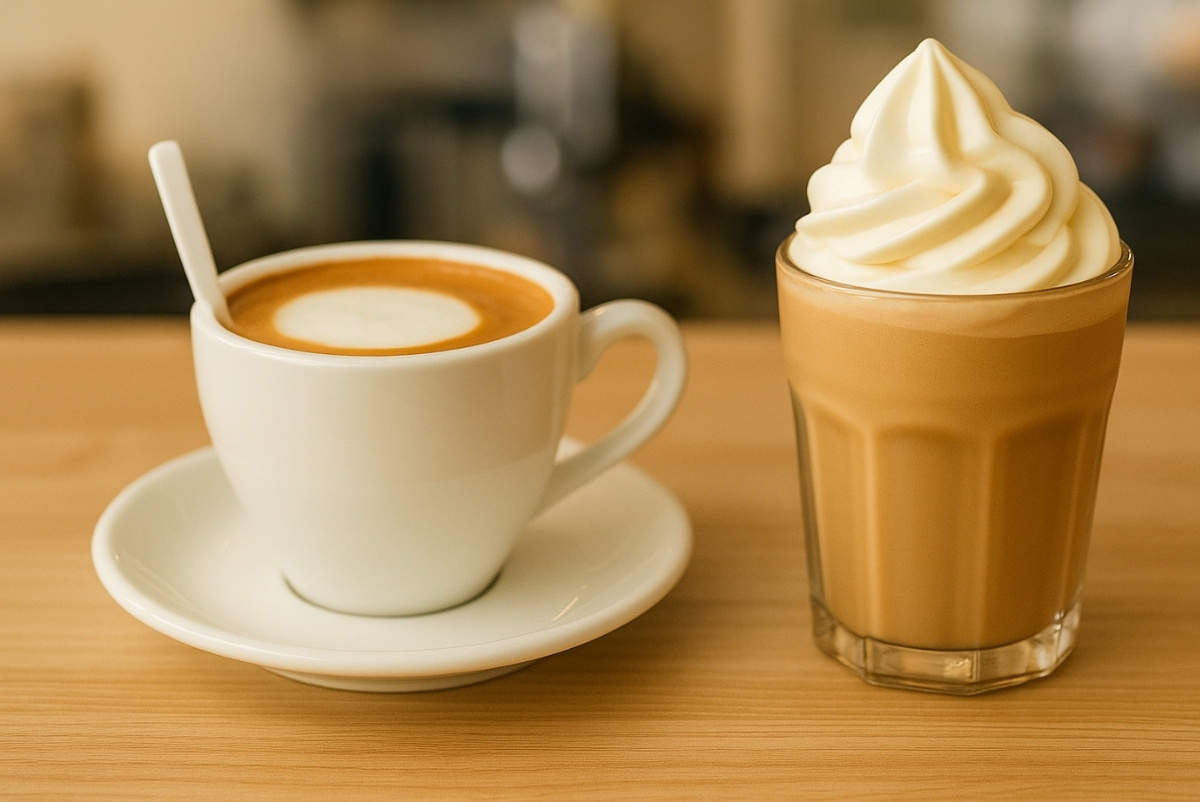
A traditional macchiato has two key ingredients:
Espresso: 1–2 shots, freshly brewed.
Foamed milk: Just a teaspoon or two.
That’s it. The milk softens the espresso’s sharpness without diluting it, keeping the focus on aroma, crema, and clarity of flavor.
Some cafés also offer a latte macchiato, which reverses the proportions: steamed milk “stained” with a shot of espresso poured on top. It’s creamier, lighter, and better suited for those who prefer less intensity.
The frappuccino’s ingredient list is much longer and far more flexible:
Coffee or espresso (sometimes replaced with crème base)
Milk (whole, oat, almond, soy, etc.)
Ice
Sweeteners and flavor syrups (caramel, mocha, vanilla, etc.)
Whipped cream and toppings
Every frappuccino is customizable, that’s part of its appeal. Some skip coffee altogether, turning it into more of a dessert beverage. The frappuccino isn’t about showcasing bean profiles; it’s about texture, flavor, and refreshment.
Once you know what goes into each, the next difference lies in the method, the craft behind how they come together.
How each drink is made says a lot about what it represents. The macchiato is all about espresso precision, while the frappuccino is built on blending balance and texture. Here’s how their preparation styles set them apart:
The process is simple but exact:
Start with freshly ground espresso: Use about 18–20g of fine grounds for a double shot.
Brew under pressure: Around 9 bars at 90–95°C to extract a rich, full flavor.
Add milk foam. Just a dollop on top, enough to add contrast and aroma.
There are no syrups, sugars, or extra flavorings here. The focus is entirely on the espresso, its aroma, balance, and how the milk softens its edges without changing its core flavor.
Suggested read: Top 10 High-End Espresso Machines: A Comparison
Frappuccinos are built around blending rather than brewing:
Prepare the base: Brewed coffee or espresso.
Add milk, ice, and flavor syrups to a blender.
Blend until smooth, creating a thick, drinkable texture.
Top with whipped cream and extra drizzle if desired.
It’s quick, cold, and indulgent. Think of it as more of a coffee-dessert hybrid than a brewed beverage.
Want to recreate both drinks perfectly? Check out Pro Coffee Gear for professional machines, grinders, and brewing accessories built for consistency.
When it comes to taste, macchiatos and frappuccinos couldn’t be more different. One highlights the espresso itself, the other turns coffee into a creamy, dessert-style experience.
The macchiato’s strength comes from its simplicity. You get the pure espresso experience — concentrated flavor, aromatic oils, and light bitterness balanced by a hint of milk sweetness.
Typical flavor notes include:
Dark chocolate
Roasted nuts
Caramelized sugar
Light floral or fruity acidity (depending on bean origin)
It’s ideal for coffee drinkers who appreciate the craft and want to taste the bean, not the add-ons.
Frappuccinos are designed for pleasure, not purity. They’re dessert-like and often dominated by chocolate, caramel, or vanilla syrup.
Common flavors include:
Mocha (coffee + chocolate)
Caramel
Java chip
Matcha or vanilla bean
The result is a sweet, blended drink with mild coffee undertones. It’s perfect for warm days or those who prefer coffee flavor without espresso strength.
How each drink feels to drink is just as distinct as how it tastes. One delivers warmth and intensity in a few concentrated sips; the other offers a chilled, creamy escape you can linger over.
To see the difference more clearly, here’s how each compares across texture and temperature:
|
Aspect |
Macchiato |
Frappuccino |
|---|---|---|
|
Temperature |
Hot |
Cold or blended with ice |
|
Texture |
Velvety crema with a touch of foam |
Thick, icy, milkshake-like |
|
Mouthfeel |
Smooth and focused |
Creamy and frothy |
Both drinks might feel different, but their energy impact tells another story. What’s inside the cup also determines how much caffeine you’re getting and how many calories come with it.
Suggested read: Understanding PID Temperature Control in Espresso Machines
A traditional macchiato has:
Around 75–150 mg of caffeine (depending on espresso strength)
Around 10–20 calories, since there’s little milk or sugar
A frappuccino, on the other hand, can have:
50–125 mg of caffeine, depending on recipe and size
200–500+ calories, especially with whipped cream and syrups
If you’re tracking caffeine or calories, the macchiato is clearly the lighter choice.
Both the macchiato and the frappuccino have evolved far beyond their original recipes. While one experiments with espresso ratios, the other thrives on flavor creativity. Let’s take a closer look at how each drink has adapted to different tastes and coffee cultures.
Over the years, the macchiato has taken on several forms:
Espresso Macchiato: The classic Italian version. It’s short, sharp, and balanced.
Latte Macchiato: More milk-forward, popular in North America.
Caramel Macchiato: A modern café favorite with espresso, vanilla syrup, steamed milk, and caramel drizzle.
Starbucks popularized the frappuccino by turning it into a customizable canvas for flavor:
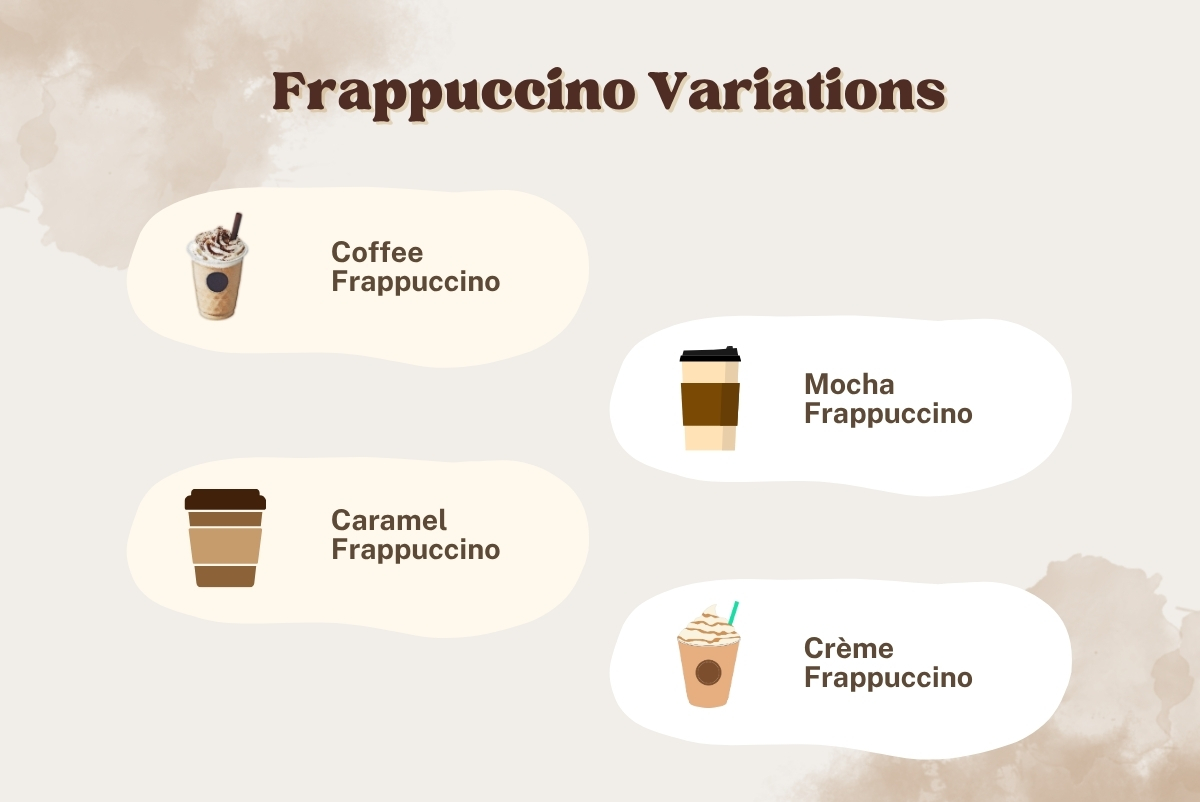
Coffee Frappuccino: The original version, blending espresso or brewed coffee with milk and ice.
Mocha Frappuccino: Adds chocolate syrup for a richer, dessert-like taste.
Caramel Frappuccino: A crowd favorite with caramel syrup and topping.
Crème Frappuccino: Coffee-free versions made with flavors like vanilla bean or matcha.
In short, the macchiato varies in technique; the frappuccino varies in flavor.
You don’t need a café setup to enjoy these drinks. With the right approach, both can be made easily in your kitchen. Here’s how they come together at home:
To recreate café-level quality, you’ll need:
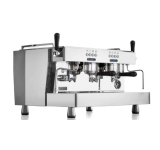
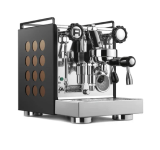
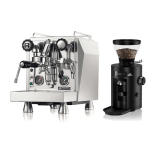
A professional espresso machine (like those from La Marzocco, Rocket Espresso, or Nuova Simonelli)
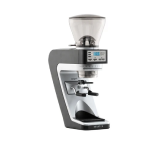
A high-quality burr grinder for consistent grounds
Fresh, medium-to-dark roast beans
Steps:
Grind your beans finely and tamp evenly.
Extract espresso into a small demitasse.
Steam milk until microfoam forms.
Add just a teaspoon of foam to the espresso.
That’s it. The key is precision, timing, and using freshly ground beans for balanced flavor.
You don’t need professional equipment, just a blender and some creativity.
Ingredients:
1 cup milk
1 shot espresso or ½ cup strong brewed coffee
1–2 cups ice
1–2 tbsp syrup (caramel, chocolate, or vanilla)
Whipped cream (optional)
Steps:
Combine coffee, milk, ice, and syrup in a blender.
Blend until smooth.
Pour into a tall glass and top with whipped cream.
It’s quick, flexible, and refreshing, making it perfect for a warm day or an easy afternoon treat.
Now that you know how they’re made and what makes them unique, it’s easier to see how they compare side by side.
Both drinks highlight very different sides of coffee culture. Here’s how they stack up:
|
Aspect |
Macchiato |
Frappuccino |
|
Base |
Espresso with a small amount of milk foam |
Coffee or espresso blended with milk, ice, and syrup |
|
Temperature |
Hot |
Cold or blended with ice |
|
Flavor Profile |
Bold, intense, and slightly bitter |
Sweet, creamy, and dessert-like |
|
Texture |
Light foam with smooth espresso |
Thick, icy, and frothy |
|
Serving Size |
2–3 oz |
12 oz (Tall), 16 oz (Grande), 24 oz (Venti) |
|
Caffeine Content |
Higher per ounce |
Lower per ounce, diluted by milk and ice |
|
Customization |
Varies by espresso-to-milk ratio |
Highly customizable with flavors and toppings |
|
Best For |
Espresso lovers seeking a quick, focused boost |
Those who prefer a refreshing, sweet coffee treat |
In short, choose a macchiato when you want intensity and simplicity. Choose a frappuccino when you’re in the mood for something cool, creamy, and indulgent.
The macchiato and the frappuccino may share coffee as their base, but they celebrate it in completely different ways. The macchiato honors espresso’s purity, small, intense, and rooted in craft. The frappuccino turns coffee into an experience, sweet, customizable, and easy to enjoy anywhere.
Whether you crave the sharp focus of espresso or the indulgent chill of a blended treat, both drinks prove that coffee’s versatility is what makes it timeless. It adapts to your taste, your pace, and your moment.
If you’re ready to take your home brewing to cafe-level precision, explore Pro Coffee Gear’s lineup of machines and grinders to elevate every cup. Because great coffee starts with great tools!
Yes. A macchiato is mostly espresso with a touch of milk foam, so the flavor and caffeine per ounce are much stronger. A frappuccino is blended with milk, ice, and syrup, which makes it sweeter and more diluted.
A macchiato is espresso with just a small “mark” of milk foam. A cappuccino has equal parts espresso, steamed milk, and foam, making it creamier and more balanced than a macchiato’s intense espresso profile.
It depends on your mood. A cappuccino is warm, balanced, and more traditional. A frappuccino is cold, sweet, and dessert-like—great if you want something refreshing or indulgent.
Yes. A macchiato needs an espresso machine and a small amount of steamed milk. A frappuccino only requires a blender, coffee, milk, ice, and flavored syrup.
To a point. You can adjust the espresso-to-milk ratio or add light flavoring, but macchiatos stay simple. Frappuccinos are far more customizable with flavors, toppings, and milk options.
A macchiato. It’s only a few ounces and uses very little milk, keeping calories low. Frappuccinos tend to run much higher due to ice, milk, and syrups.
Our team can help you find the best fit based on your space, volume, and budget.
Talk to a Specialist

