


10 Types of Coffee Preparation Methods for the Best Taste
|
|
Time to read 15 min
Your Cart
Your cart
Favorites





Shop by Brands

Shop by Brands
Shop by Brands


Shop by Brands


Shop by Brands
Shop by Brands
|
|
Time to read 15 min
If you have ever noticed that your coffee tastes incredible one day and just average the next, the difference often comes down to the brewing method. The technique you choose can shape the flavor, aroma, and texture of your cup, even when you use the same beans.
Each brewing style brings its own character. Some methods produce a rich, full-bodied cup, while others highlight lighter and more delicate notes. The key is choosing a method that matches your taste preferences.
In this guide, we cover 10 coffee preparation methods that help you achieve great flavor at home. Whether you enjoy a bold espresso or a smooth, refreshing cold brew, you will find clear guidance to brew with confidence.
Let’s explore these methods and help you find your perfect cup.
Key Takeaways
Each brewing method highlights different flavor dimensions of coffee, from fruity brightness to dark chocolate richness.
Grind size, brew time, and water ratio are the main elements that shape your final cup.
Manual brewing offers more control, while automatic brewing ensures consistency and convenience.
Knowing your preferred style helps you choose the perfect method, whether it’s a slow pour-over or a quick espresso shot.
Every coffee bean carries a story, where it grew, how it was roasted, and how you brew it. The brewing process is what transforms that story into taste.
When hot water interacts with ground coffee, it extracts aroma, acidity, sweetness, and bitterness. The balance between these flavors depends on how you brew, the water temperature, the grind size, the ratio, and even how the water flows through the grounds.
A pour-over accentuates clarity and floral notes. A French Press captures natural oils for depth. An espresso concentrates intensity into a shot.
So if you’ve ever thought why the same coffee tastes different in different cups, the answer lies in the method.
Now that you know how much your brewing method matters, let’s move on to the fun part, the 10 types of coffee preparation that bring out the best in your beans.
If you love coffee, you know that how you brew it can completely change the taste in your cup. The grind size, water temperature, and brewing style all play a part in bringing out those rich aromas and balanced flavors.
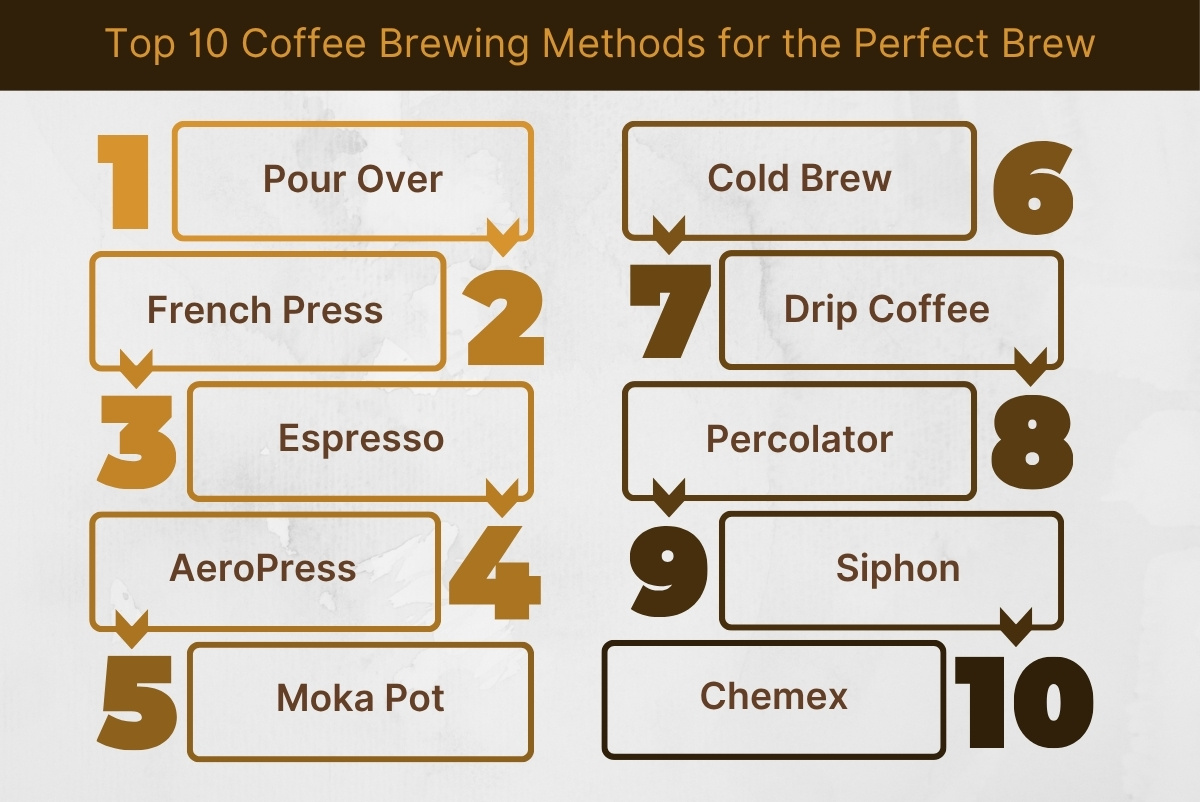
Whether you prefer a smooth pour-over, a bold espresso, or a refreshing cold brew, each method has its own personality and charm. Some highlight the delicate floral notes, while others deliver deep, chocolatey tones.
Let’s look at 10 coffee brewing methods that can help you unlock every layer of flavor in your coffee.
The pour-over method is where patience meets precision. Every pour influences how your coffee extracts, shaping its aroma, flavor, and texture. It’s a ritual that rewards attention delivering a clean, balanced, and fragrant cup that highlights every nuance of your beans.
If your pour is too fast, the water won’t spend enough time with the grounds, resulting in a thin, under-extracted brew.
Pour too slowly, and you’ll pull out unwanted bitterness, losing that delicate clarity the pour-over is known for.
The key lies in maintaining steady, circular pours and even saturation to achieve a smooth, flavorful cup with a bright finish.
Now, let’s look at how to perfect your pour-over technique step by step:
Preparation Process
Place a paper filter in your dripper and rinse it with hot water to remove any paper taste.
Add medium-ground coffee, then start pouring hot water slowly in small circular motions.
Allow the water to pass through evenly for a balanced extraction.
Brewing Considerations:
Grind Size: Medium
Brew Time: 3–4 minutes
Ratio: 1:15 yield
Flavor Profile: Clean, delicate, and aromatic
Ideal For: Coffee lovers who appreciate clarity and light body
Equipment Needed: Dripper, gooseneck kettle, filters, and scale
Pro Tip: Keep your pour gentle and consistent. Uneven pouring can lead to sour or flat notes and the secret to a perfect pour-over coffee setup lies in steady hands and controlled flow.
To keep flavors clean and consistent over time, regular equipment maintenance matters. Using a quality Coffee Machine Cleaner from Pro Coffee Gear helps prevent oil buildup, protects performance, and ensures every pour-over tastes as fresh as intended.
The French Press delivers depth, texture, and a full-bodied coffee experience. Unlike filtered methods, it lets natural oils and fine particles stay in the cup, creating a rich, velvety mouthfeel that highlights the bean’s true character.
Using the right grind is crucial. Too fine, and your coffee will be over-extracted with sediment and bitterness. Too coarse, and it will taste weak and underdeveloped. The goal is a coarse grind that balances bold flavor with smoothness.
Pressing the plunger should be slow and controlled, maintaining even pressure to achieve the signature French Press texture.
Here’s how to perfect your French Press brew:
Preparation Process
Add coarse-ground coffee to your French Press carafe and pour hot water evenly over it.
Stir gently to ensure all grounds are soaked, then let it steep for about 4 minutes.
Slowly press the plunger down, keeping the pressure even, and serve right away.
Brewing Considerations:
Grind Size: Coarse
Brew Time: 4–5 minutes
Ratio: 1:12 yield
Flavor Profile: Bold, earthy, and full-bodied
Ideal For: Those who enjoy a strong, aromatic brew with texture
Equipment Needed: French Press, kettle, and stirrer
Pro Tip: Pour your coffee into a cup or carafe immediately after plunging, letting it sit with the grounds can lead to bitterness and muddy flavors.
Espresso is the heart of modern coffee, rich, concentrated, and bursting with flavor. It’s where precision meets power, delivering a bold shot that perfectly balances sweetness, acidity, and bitterness.
When it comes to espresso, every detail matters. A grind that’s too fine can lead to over-extraction, giving you a bitter and harsh shot. Too coarse, and the result will be weak and sour.
The process may seem fast, but mastering espresso takes patience, precision, and consistency. Let’s break it down step by step:
Preparation Process
Fill the portafilter with finely ground coffee and tamp it evenly with firm, consistent pressure.
Lock it into the espresso machine and brew under about 9 bars of pressure.
Watch for a steady, golden flow, a perfect shot should take roughly 25–30 seconds.
Brewing Considerations:
Grind Size: Fine
Brew Time: 25–30 seconds
Ratio: 1:2 yield
Flavor Profile: Intense, creamy, and bittersweet
Ideal For: Quick caffeine boosts or as a base for milk-based drinks like cappuccino or flat white
Equipment Needed: Espresso machine, burr grinder, and tamper
Pro Tip: Keep your grind uniform and consistent. Even slight variations can throw off the balance of your shot, precision is what separates a good espresso from a great one.
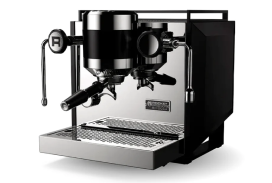
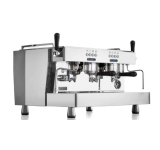
Looking to achieve perfect consistency in your café’s coffee preparation? The Rocket Boxer Timer Evo from Pro Coffee Gear features advanced pressure profiling, multi-boiler technology, and PID-controlled saturated groups helping you craft exceptional espresso with every shot.
The AeroPress is the perfect mix of simplicity and control. Compact, quick, and easy to clean, it combines immersion and gentle pressure to brew a smooth, low-acidity cup with a pleasant sweetness. Whether you’re traveling or brewing at home, this method gives you a balanced, flavorful coffee every time.
A fast press can make your coffee taste sharp and gritty, while pressing too slowly might lead to bitterness. The key is steady, even pressure enough to extract rich flavors without overdoing it. With the AeroPress, a few small tweaks in timing or grind can completely transform your cup.
Here’s how to brew the perfect AeroPress coffee step by step:
Preparation Process
Add medium-fine coffee grounds to the AeroPress chamber.
Pour in hot water, stir gently, and let it steep for about 60–90 seconds.
Press down slowly and evenly to extract your coffee through the filter.
Brewing Considerations:
Grind Size: Medium-fine
Brew Time: 1.5–2 minutes
Ratio: 1:16 yield
Flavor Profile: Smooth, balanced, and slightly sweet
Ideal For: Anyone who wants full control with minimal fuss
Equipment Needed: AeroPress, paper filters, kettle, and mug
Pro Tip: Try the inverted method, it allows a longer steep and gives your coffee a rounder body with deeper flavor.
The Moka Pot, often called the “stovetop espresso,” delivers bold, aromatic, and full-bodied coffee. It strikes a satisfying balance between espresso intensity and drip-style smoothness.
The key to mastering a Moka Pot is controlling heat. Too much heat can scorch the grounds and create a burnt taste, while too little can leave the coffee weak and under-extracted. When brewed correctly, it produces a strong, flavorful cup with deep, satisfying notes.
Now, let’s walk through how to brew with a Moka Pot the right way:
Preparation Process
Fill the lower chamber with water up to the safety valve.
Add finely ground coffee into the filter basket, level it off, but don’t pack it down.
Assemble the pot tightly and place it over medium heat.
Once you hear that gentle bubbling sound, remove it from the heat, and your coffee is ready to pour.
Brewing Considerations:
Grind Size: Medium Fine
Brew Time: 4–5 minutes
Ratio: 1:7 yield
Flavour Profile: Strong, rich, and aromatic
Ideal For: Espresso lovers who want a café-style brew without a machine
Equipment Needed: Moka Pot, stovetop, and coffee grinders
Pro Tip: Avoid overpacking the grounds, it restricts water flow and overheats the brew. A loose, even fill ensures smooth pressure buildup and a perfectly; balanced cup every time.
Cold brew is not just chilled coffee. It is a slow extraction that draws out natural sweetness while keeping acidity low. Instead of heat, this method relies on time to create a smooth, mellow cup with deep flavour.
Rushing the steep leads to a weak, flat brew, while steeping for too long can introduce bitterness. The goal is to extract rich, chocolatey notes without overwhelming the palate.
The result is a naturally sweet, smooth coffee that is easy to drink and refreshing.
Here’s how to brew a well-balanced cold brew:
Combine coarse coffee grounds with cold, filtered water in a jar or cold brew maker.
Stir gently to ensure all grounds are evenly saturated.
Let the coffee steep in the refrigerator for 12 to 16 hours. Room-temperature brewing is also common and typically takes 12 to 24 hours.
Strain through a fine mesh or coffee filter and store in a sealed bottle.
Brewing Considerations:
Grind Size: Coarse
Brew Time: 12 to 16 hours (up to 24 hours at room temperature
Ratio: 1:8 yield for concentrated coffee (typical 1:15–1:17 for ready-to-drink)
Flavor Profile: Smooth, mild, and chocolatey
Ideal For: Anyone who enjoys gentle sweetness and low-acid coffee
Equipment Needed: Cold brew maker, jar, and strainer
Pro Tip: Always dilute cold brew concentrate with water or milk before serving, as it is roughly twice as strong as regular coffee.
7. Drip Coffee (Automatic Machine)
When convenience meets great taste, drip coffee is the go-to method. It’s the easiest way to brew several cups at once while still getting a smooth, balanced flavor.
Just set it up, press start, and let the machine handle the rest. Ideal for busy mornings or office setups where time is short but good coffee still matters.
The trick to great drip coffee lies in the grind. Too fine, and your coffee turns bitter. Too coarse, and it tastes weak and flat. Stick to a medium grind that allows the water to extract the right balance of flavor and aroma.
Drip machines do all the hard work controlling temperature, flow, and timing, so you can enjoy a consistently good cup every time without fuss.
Now, let’s go through the steps to get your perfect drip brew:
Add medium-ground coffee to the filter basket.
Fill the reservoir with clean, filtered water.
Hit the brew button and let the machine do the rest.
Brewing Considerations:
Grind Size: Medium
Brew Time: 5–6 minutes (Varies)
Ratio: 1:15 yield
Flavor Profile: Smooth, rounded, and balanced
Ideal For: Office setups or quick mornings
Equipment Needed: Drip coffee maker and filters
Pro Tip: Use filtered water and clean your machine weekly to prevent oil buildup. A clean brewer keeps your coffee tasting fresh, bright, and consistent.
If you love your coffee strong and nostalgic, the percolator is your perfect match. It’s an old-school favorite that brews coffee by cycling boiling water through the grounds over and over giving you that bold, toasty flavor many grew up with.
But here’s the thing: timing is everything. Leave it on the heat for too long, and your coffee turns bitter or burnt. Stop too soon, and it tastes weak. The trick is finding that sweet spot where the brew is dark, rich, and full-bodied without the harshness.
Here’s how to make it right every time:
Fill the bottom chamber of your percolator with water.
Add coarse coffee grounds to the filter basket.
Heat it gently on the stove or over a campfire until you see coffee bubbling up through the stem.
Watch closely, once the coffee turns deep and dark, remove it from the heat to prevent over-extraction.
Brewing Considerations:
Grind Size: Coarse
Brew Time: 7–9 minutes
Ratio: 1:12 yield
Flavor Profile: Bold, toasty, and traditional
Ideal For: Campers and anyone who enjoys a strong, old-fashioned cup
Equipment Needed: Percolator, stove, or campfire
Pro Tip: Don’t walk away from your percolator, a minute too long can ruin the flavor. Pull it off the heat as soon as it reaches that rich, dark tone, and you’ll get that perfect, comforting cup every time.
The siphon method is one of the most interesting ways to brew coffee. It feels a bit like a science experiment, but it delivers a cup that’s clean, aromatic, and smooth.
Watching the water rise, mix with the coffee, and flow back down makes the process feel special and rewarding.
The key is control. The heat and timing need to be steady for the best flavor. If the water gets too hot, your coffee can taste bitter.
If it’s not hot enough, the brew will be weak. Once you get the balance right, the siphon brings out a clear and refined taste that’s hard to match:
Fill the lower chamber with water and heat it until the vapor pushes the water up into the upper section.
Add medium-ground coffee and stir gently to mix.
Once it’s brewed, remove the heat so the coffee flows back down through the filter, leaving the grounds behind.
Brewing Considerations:
Grind Size: Medium
Brew Time: 6 minutes
Ratio: 1:15 yield)
Flavor Profile: Clean, floral, and tea-like
Ideal For: Anyone who likes a calm and precise brewing method
Equipment Needed: Siphon brewer, alcohol burner, and filters
Pro Tip: Always use fresh, filtered water, as siphon coffee is very clear and even small impurities can affect the taste. When using a burner, place it on a stable, heat-safe surface and keep flammable items away to avoid accidents.
10. Chemex
If you enjoy bright, smooth coffee with exceptional clarity, the Chemex is an excellent choice. Its hourglass design and thick paper filters produce a remarkably clean cup with no sediment.
The specially designed filters remove most coffee oils, resulting in a crisp, refreshing brew that highlights subtle flavors and aromas. This makes the Chemex ideal for lighter roasts and beans with floral or fruity notes.
Brewing Considerations:
Grind Size: Medium-coarse
Brew Time: 4–5 minutes
Ratio: 1:16 yields
Flavor Profile: Clean, crisp, and lightly acidic
Ideal For: Anyone who enjoys bright, aromatic coffee
Equipment Needed: Chemex, filters, gooseneck kettle
Pro Tip: Keep your pour steady and slow. Uneven pouring can affect extraction and make your coffee taste dull.
Next, let’s check some expert-backed tips and common mistakes to watch out for while you perfect your craft.
No matter which brewing method you choose, a few core principles determine whether your coffee tastes balanced or disappointing. Small oversights in grind size, water quality, or timing can affect flavor across all methods.
Below are practical tips and common mistakes to watch for, regardless of how you brew coffee.
1. Make Small, Precise Grind Adjustments
One of the most common mistakes in coffee brewing is using a grind size that does not suit the method. A grind that is too fine can cause bitterness, while a grind that is too coarse often results in weak coffee.
What to do instead:
Adjust the grind size based on your brewing method. Use coarse grounds for immersion methods, medium grounds for filter brewing, and finer grounds for pressure-based methods. Make small changes and taste after each adjustment to stay in control of flavor.
Coffee strength depends on the balance between coffee and water. Adjusting one without considering the other often leads to inconsistent results.
Best practice:
Measure both coffee and water consistently. When you increase the amount of coffee, adjust the water slightly to maintain balance. This approach helps produce a smoother and more repeatable cup.
Letting coffee brew for too long can extract harsh bitterness, while cutting the process short often leads to flat or sour flavors.
How to improve it:
Follow the recommended brew time for your chosen method and make small adjustments based on taste. A controlled brew time helps preserve sweetness and clarity.
Estimating measurements by eye is one of the easiest ways to lose consistency between brews.
Pro tip:
Use a scale or standard measuring tools to portion both coffee and water. Even small differences in measurement can noticeably change flavor.
Old coffee oils and residue can affect the taste of your next brew, even when everything else is done correctly.
Avoid this mistake:
Rinse your brewing equipment after every use and clean it thoroughly on a regular schedule. Clean tools help maintain consistent flavor and aroma.
Using water that is too hot can scorch coffee grounds, while water that is too cool can under-extract flavor.
Best approach:
Heat water to a suitable brewing temperature and avoid pouring it immediately after boiling. Allowing the water to rest briefly helps produce a more balanced cup.
7. Monitor Temperature Stability
Improper storage exposes coffee beans to air, heat, and moisture, which quickly reduces freshness.
What to do:
Store coffee beans in an airtight container away from light and heat, and grind only the amount needed for each brew to preserve flavor.
With these best practices and corrections in mind, you’ll develop the instincts to adjust your grinder confidently and maintain repeatable, café-quality espresso at home.
Perfecting your coffee routine goes beyond the act of brewing. It is about choosing a method that highlights the true character of your beans. From the clean precision of Pour Over to the rich intensity of Espresso, each brewing style offers a distinct taste and experience.
If you want to refine your daily coffee ritual, Pro Coffee Gear offers premium brewers, grinders, and accessories built for consistency and precision. With the right tools, you can prepare café-quality coffee at home or in your shop with confidence.
Ready to experiment with different brewing styles and flavors? Explore the Pro Coffee Gear collection and start crafting coffee exactly the way you enjoy it.
Pour Over and French Press are ideal for beginners. They are easy to use, require minimal equipment, and let you control strength and flavor.
Espresso and Moka Pot produce the strongest coffee. Espresso is intense and concentrated, while Moka Pot delivers a bold, rich brew.
The ideal temperature is 90°C to 96°C. If you do not have a thermometer, wait about 30 seconds after boiling before brewing.
Yes. Adjust the grind size. Use coarse grounds for French Press, medium for Pour Over, and fine for Espresso.
Store brewed coffee in an airtight glass or stainless steel container in the refrigerator, consume it within 24 hours, and avoid microwaving to preserve the flavor.
Store coffee beans in an airtight container away from light, heat, and moisture. Avoid refrigerating or freezing them for daily use.
Our team can help you find the best fit based on your space, volume, and budget.
Talk to a Specialist

