


Best Dual Boiler Espresso Machines 2025: Top Picks
|
|
Time to read 9 min
Your Cart
Your cart
Favorites





Shop by Brands

Shop by Brands
Shop by Brands


Shop by Brands


Shop by Brands
Shop by Brands
|
|
Time to read 9 min
When it comes to espresso, precision is everything. Whether you're a home barista looking to elevate your morning ritual or a café owner striving for consistent, high-quality brews, a dual boiler espresso machine is a game-changer.
With new 2025 models offering better temperature stability, faster steam recovery, and more advanced controls, choosing the right dual boiler has never been easier. Unlike single-boiler or heat-exchanger machines, dual-boiler setups allow you to brew and steam simultaneously, delivering café-quality results with every shot.
However, with numerous options available, how do you select the best dual boiler espresso machine 2025?
In this guide, we'll explore what makes these machines stand out, the key features to consider before making a purchase, and our top recommendations for achieving the perfect cup.
Brew & Steam Simultaneously: Dual boilers save time, ensuring perfect espresso and milk.
Stable Temperatures: Separate boilers ensure optimal espresso extraction and smooth foam.
Cafe-Quality at Home: Perfect for those who want professional results without the wait.
Built for Durability: Though pricier, dual boilers offer long-term performance and reliability.
Maintain for Peak Performance: Routine cleaning, descaling, and filtered water keep your machine brewing at its best.
A dual boiler espresso machine is a specialized coffee maker designed to brew espresso and steam milk simultaneously. Unlike single-boiler machines, which force you to switch between brewing and steaming, dual-boiler machines have two independent boilers: one dedicated to brewing coffee and the other to steaming milk.
This setup offers a significant advantage for users who value both speed and consistency. The key difference lies in the way each boiler operates.
The brew boiler maintains the perfect temperature for extracting espresso, typically around 200°F (93°C).
Meanwhile, the steam boiler operates at a higher temperature, allowing you to generate steam for frothing milk at around 250°F (121°C).
With these two independent systems, you can pull a shot of espresso and steam milk simultaneously, reducing wait times and ensuring each component is brewed at its optimal temperature.
For those at home, this dual setup can elevate your espresso-making skills, making you feel like a pro every time you pull a shot.
A dual boiler espresso machine isn't just for professionals - it's perfect for anyone who values precision, speed, and consistency in their coffee brewing. However, before investing at this scale, it's essential to consider whether it suits your specific needs.
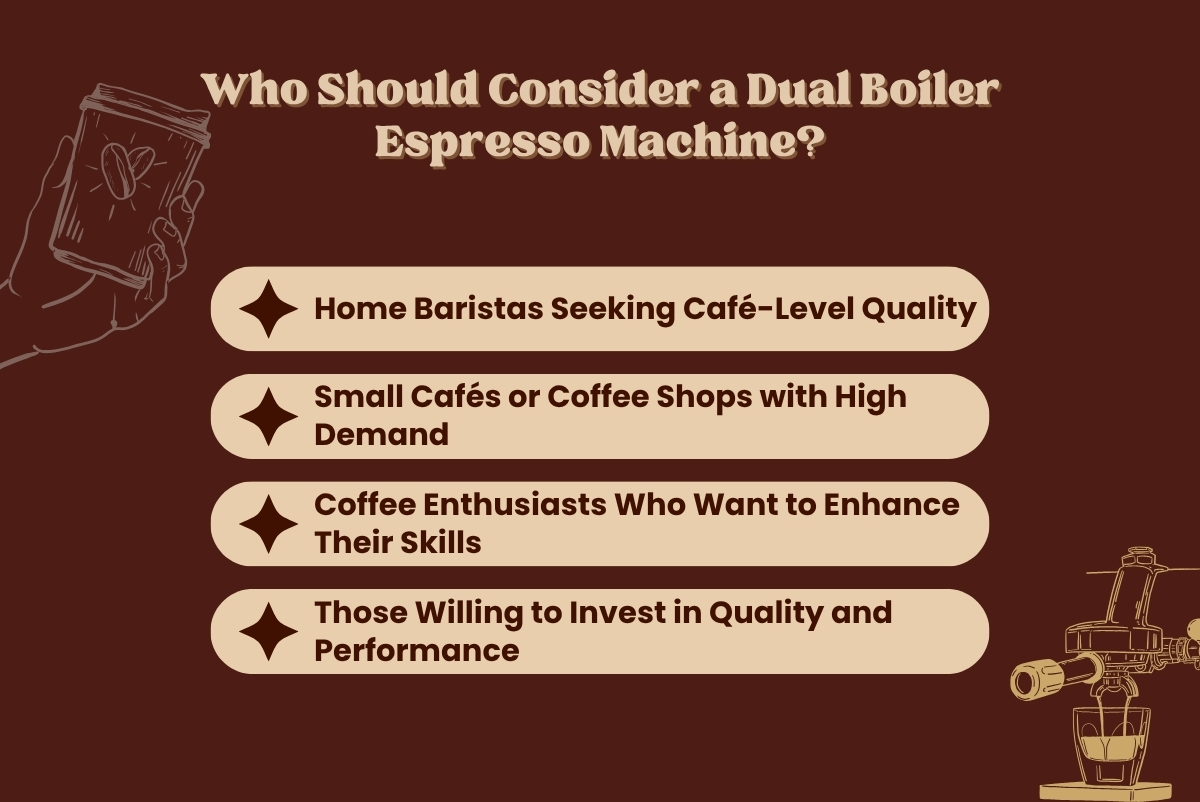
If you enjoy experimenting with various coffee styles, textures, and flavors at home, a dual-boiler machine is what you need. Dual boilers eliminate temperature surfing and reduce workflow delays, making them ideal for those who prepare milk drinks daily.
For café owners or coffee shops that need to serve multiple customers quickly and efficiently, a dual-boiler espresso machine is essential. Dual boilers maintain stable temperatures even during consecutive drink orders, reducing burnout and improving service speed.
If you're someone who's already comfortable with espresso brewing and wants to take your skill set further, a dual boiler machine provides the tools needed to hone your craft. These machines enable greater temperature control and consistency, resulting in more precise extractions.
A dual-boiler machine is an investment, and it's essential to understand that the initial cost is higher than that of single-boiler or heat-exchanger models. Compared to heat exchangers, dual boilers provide greater repeatability, especially useful for latte-heavy menus.
Especially if you’re using it regularly and want results that match your growing coffee expertise, the dual boiler offers exceptional value.
Also read: Basics of Using an Espresso Machine for Beginners
Before you invest in a dual boiler espresso machine, there are several important factors you should consider. These will help you choose the machine that best suits your needs, whether you’re a home enthusiast or a café owner seeking reliable performance.
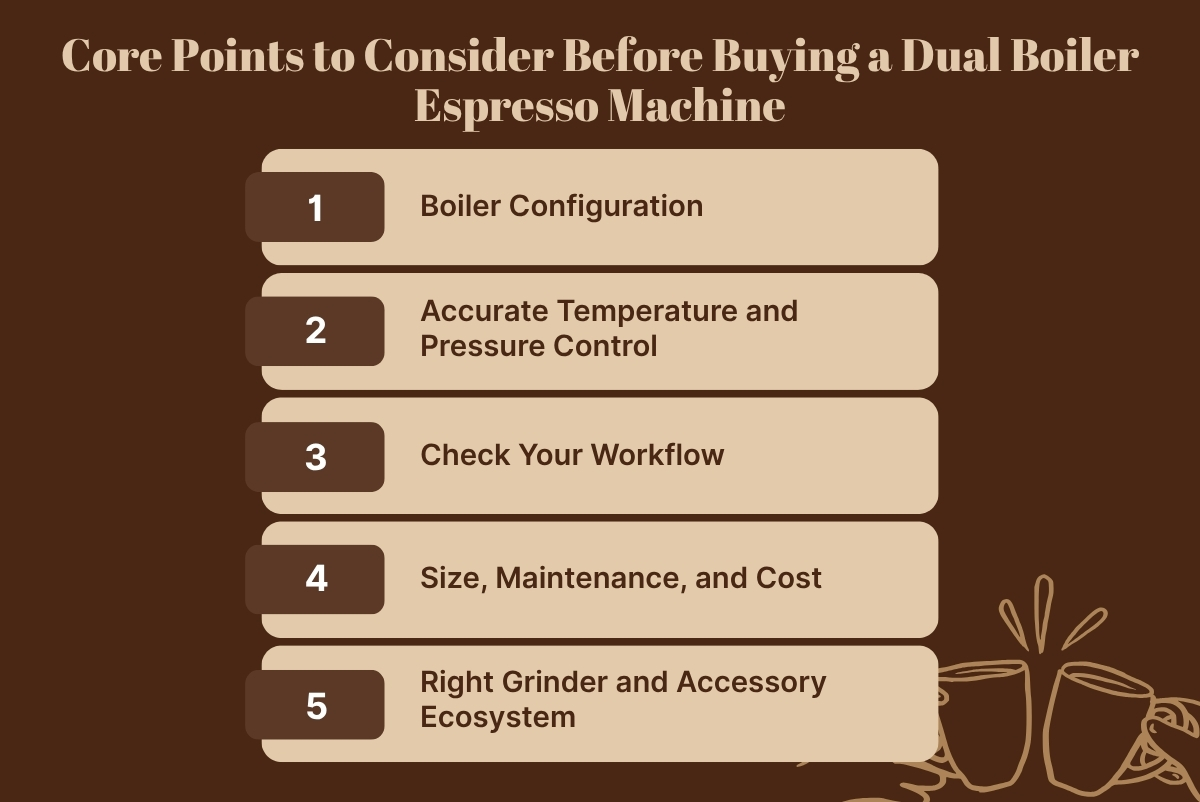
Dual-boiler machines come with two separate boilers: one for brewing espresso and another for steaming milk. The configuration of these boilers can affect the machine's overall performance.
For example, some machines feature PID (Proportional-Integral-Derivative) controllers to manage the temperature of both boilers accurately.
Brew Boiler: Typically set around 255°F–270°F (124°C–132°C), depending on the machine, for optimal espresso extraction.
Steam Boiler: Maintained at higher temperatures, around 250°F (121°C), for milk frothing.
If you plan to brew multiple drinks back-to-back, opt for machines with larger boilers for better performance.
Temperature stability is critical for producing high-quality espresso. A well-calibrated PID controller (which many dual-boiler machines include) ensures that the brew temperature stays consistent, minimizing fluctuations that can affect extraction.
Accurate pressure ensures the perfect shot extraction. Look for machines with a rotary pump, which provides steady pressure, rather than the vibratory pumps found in lower-end models.
This is especially important if you’re preparing shots for multiple people simultaneously, such as in a café.
One of the most significant advantages of dual-boiler espresso machines is the ability to brew and steam simultaneously. When testing a potential machine, assess how fast it recovers between tasks.
Does the steam pressure drop significantly when you pull a shot? Look for models with powerful steam wands and quick recovery times to ensure you don’t lose time between drinks.
Dual-boiler machines are typically larger and heavier than other types of espresso makers. Ensure you have sufficient space in your kitchen or café before committing.
Additionally, be prepared for regular maintenance. With the added complexity of two boilers, there's a bit more upkeep involved, including descaling, cleaning the group head, and maintaining the steam wand.
Cost is another factor to weigh. Most dual boiler machines range from $1,800 to $4,000+, depending on build quality, components, and brand. A higher upfront cost often means better materials and a longer-lasting machine.
Invest in a grinder that delivers consistent, fresh coffee grounds at the right grind size, especially if you're using a dual-boiler machine's advanced features.
Pairing your machine with the right accessories, such as tampers, knock boxes, and milk frothing pitchers, can also improve your overall experience.
Discover espresso machines with PID controllers and precise temperature control at Pro Coffee Gear, crafted for consistently exceptional shots every time.
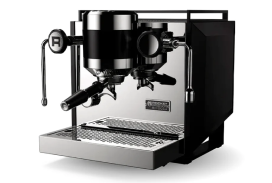
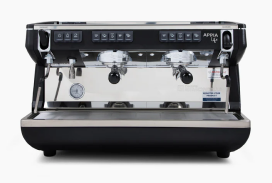
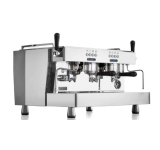
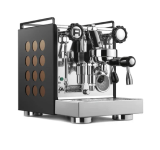
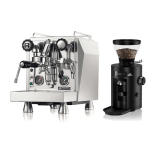
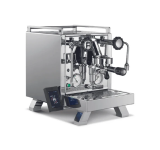
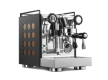
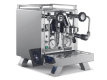
Here are the top dual boiler espresso machines for 2025, featuring commercial-grade precision, advanced temperature control, and fast steam recovery. All links lead to Pro Coffee Gear, where you can explore current pricing and full technical specs.
Check out their key specs and ideal use to find the perfect fit for your setup:
|
Model |
Key Specs |
Ideal For |
|
Advanced profiling, touchscreen control, and exceptional thermal stability. |
For small spaces, to allow total control of the extraction process. |
|
|
Semi-automatic, programmable PID, and commercial-grade rotary pump |
Great not only for home use, but also for commercial setups like cafés and coffee shops. |
|
|
Commercial saturated group, dual boiler, rotary pump, outstanding steam power. |
For espresso enthusiasts seeking top-tier results in a thoughtfully priced package. |
|
|
Refillable front water tank, volumetric controls, as well as voice recognition. |
Integrates the worlds of design and coffee to deliver a top coffee experience from the comfort of your home. |
|
|
Needle-valve flow profiling, 1.1L brew boiler, 3.3L steam boiler, unmatched flavor clarity. |
Designed for café-level performance at home or in low-volume shops. |
Each of these models offers a unique set of features tailored to different needs, so it's important to weigh what matters most to you - whether it's advanced controls, speed, design, or price.
Once you've chosen your dual boiler espresso machine, setting it up properly and maintaining it is crucial to achieving consistent, high-quality results. Whether you're a beginner or experienced, these tips will help you get the most from your machine and start brewing like a pro in no time.
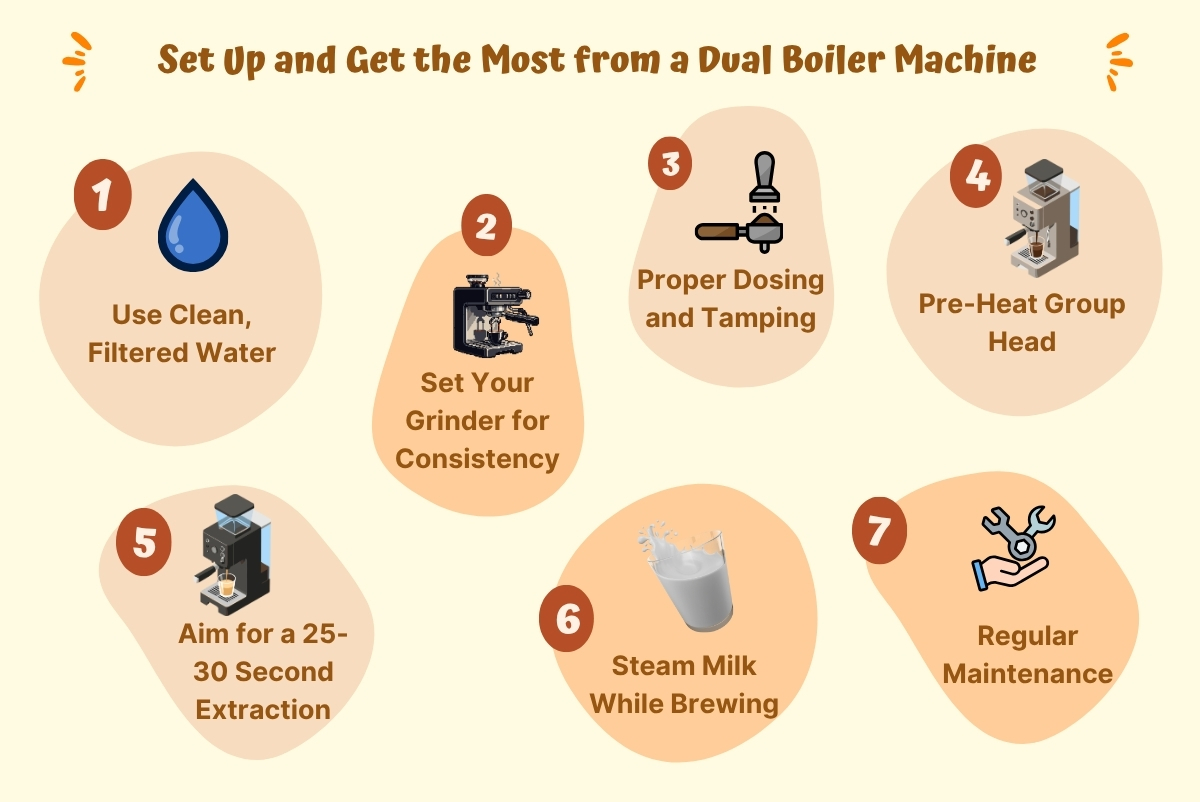
1. Use Clean, Filtered Water
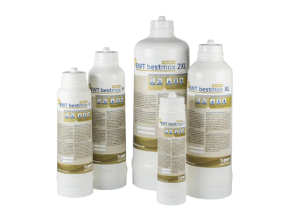
Good espresso starts with water. Use filtered water with a balanced mineral content to prevent scale buildup and maintain a great taste.
2. Set Your Grinder for Consistency
A fine, consistent grind is crucial. Adjust your grinder to a delicate setting and fine-tune it based on your taste. A consistent grind ensures optimal extraction.
3. Proper Dosing and Tamping
Measure your dose: 18–20g for standard double baskets; many specialty cafés now use 20–22g baskets for richer extractions. Tamp evenly for uniform extraction.
4. Pre-Heat Group Head and Portafilter
Run hot water through the group head and portafilter before brewing to maintain temperature stability.
5. Aim for a 25-30 Second Extraction
Aim for a 1:2 ratio (e.g., 18g in → 36g out) in 25–30 seconds for a well-extracted shot. Adjust grind size for flow consistency. Use a scale to monitor extraction yield for consistency.
6. Steam Milk While Brewing
Use the steam wand to froth milk. Position the wand just below the milk's surface to incorporate air for silky microfoam. Introduce air only during the first 3–5 seconds, then submerge the tip deeper to roll the milk into glossy microfoam.
7. Regular Maintenance
Backflush and descale your machine regularly to keep it in top shape. Clean the steam wand after every use to avoid milk residue.
These strategies will help both beginners and experienced users maximize the potential of their machines and brew consistently high-quality espresso.
Espresso brewing is an art, and a dual boiler espresso machine is a powerful tool to elevate that craft. From selecting the right machine to understanding key features like temperature control, pressure, and steam power, each decision enhances your brewing experience.
For those ready to take their espresso game to the next level, Pro Coffee Gear offers a curated selection of the best dual boiler machines for both home baristas and professionals. With precision tools and expert advice, you'll be able to craft perfect espresso shots and creamy milk froths with ease.
Browse Pro Coffee Gear’s curated selection of dual boiler espresso machines, including Sanremo, Slayer, Rocket, and more. Find the machine that matches your workflow, budget, and flavor goals.
A dual boiler machine enables simultaneous brewing and steaming by utilizing two independent boilers, one for brewing and one for steaming. A heat-exchanger machine, however, shares a single boiler to heat both the water for brewing and the steam, meaning you need to wait between brewing and steaming, which can slow down workflow in busy environments.
Most dual boiler machines take 10–25 minutes to heat up, depending on boiler size and insulation. Some high-end models with better insulation can heat up even faster, while others might require a little more time to reach optimal temperature. Always check the machine's specifications for exact warm-up times.
Yes, if you’re serious about espresso and want to achieve café-level results at home, a dual boiler machine is a worthwhile investment. It offers precise temperature control, faster brewing, and the ability to steam milk while brewing, which can significantly enhance your coffee experience, especially if you regularly make drinks like lattes and cappuccinos.
Absolutely. A dual boiler machine can save you time by allowing you to brew and steam simultaneously, eliminating downtime between tasks. This is especially helpful in high-demand settings, such as cafés, where speed and consistency are crucial for delivering multiple drinks quickly without compromising quality.
To keep your dual boiler machine running smoothly, perform regular backflushing of the group head, descale it every few months, and clean the steam wand after each use to prevent milk buildup. Regular water filter changes also help prevent mineral deposits, ensuring your machine performs optimally and extends its lifespan.
Typically yes. Dual boilers use heavier-duty components, better temperature-control systems, and commercial-grade pumps, which often result in a longer lifespan with proper maintenance.
Our team can help you find the best fit based on your space, volume, and budget.
Talk to a Specialist

