


A Complete Guide To Flow Control Espresso Machine
|
|
Time to read 11 min
Your Cart
Your cart
Favorites





Shop by Brands

Shop by Brands
Shop by Brands


Shop by Brands


Shop by Brands
Shop by Brands
|
|
Time to read 11 min
Getting a perfectly balanced espresso every time can be frustrating. Inconsistent pressure and extraction often lead to disappointing flavors and unhappy customers.
Fortunately, a flow control espresso machine puts you in command of water flow rate, the critical factor in achieving consistent espresso shots. This technology lets you fine-tune extraction for flavor profiles that suit your taste and brewing style.
This guide will explain how these machines transform your coffee. We cover the mechanics, benefits, and practical use of flow control. You will learn how to extract nuanced flavors from your favorite beans.
Flow control lets you manually manage water pressure during an espresso shot, moving beyond a fixed 9-bar profile.
The primary benefit is unlocking complex, sweet flavors often hidden by standard extraction methods.
You can salvage challenging light roast beans by using a pre-infusion and gentle flow ramp-up.
Key components include a specialized group head, a control valve, and a pressure gauge for visual feedback.
Mastering flow profiles requires practice, starting with a simple low-pressure pre-infusion phase.
This technology represents a significant upgrade for enthusiasts seeking barista-level control at home.
A flow control espresso machine is an advanced coffee brewer. It allows you to manually adjust water flow to the coffee puck during extraction. Traditional machines use a fixed pressure setting, typically 9 bars. This system gives you direct command over the pressure profile throughout the shot.
You manipulate a needle valve or paddle on the machine's group head. This valve changes the rate at which water saturates your coffee grounds. The machine's pump runs consistently in the background. You control how quickly the water reaches the coffee.
This process is often called pressure or flow profiling. It mimics the techniques used by professional baristas on high-end systems. With a flow control espresso machine, you are not just starting and stopping a shot. You are actively crafting the flavor from beginning to end.
Also read: Coffee Consumption and Market Trends in 2025
Understanding the mechanics is one thing; knowing how it changes your coffee is another.
Flow control directly influences your coffee's extraction yield and flavor balance. Different compounds in coffee grounds extract at various rates and pressures. A fixed pressure profile can sometimes extract these compounds unevenly.

Managing the flow lets you target specific flavors in the bean. A gentle start can help saturate dense, light roast coffee evenly. You can then increase pressure to extract sweetness and body. Finally, reducing pressure at the end avoids pulling out harsh, bitter compounds.
Here are the specific impacts you will notice in your cup:
You can highlight a coffee's inherent fruity or floral notes. A slower extraction often increases perceived sweetness. This reduces the harsh bitterness from over-extracted tannins. The result is a cleaner, more complex flavor profile.
Very light or very dark roasts can be challenging on standard machines. Flow control lets you adapt the pressure to the bean's density. You can prevent channeling in finicky single-origin coffees. This adaptability makes your brewing process more reliable.
You are no longer limited to a single extraction profile. You can create recipes that suit your specific taste preferences. Each coffee bean becomes a new opportunity for experimentation. This turns brewing from a routine into a creative process.
To achieve this level of flavor clarity, explore the Slayer Espresso V3 at Pro Coffee Gear. Its unique pre-infusion system and saturated group head provide unmatched control over extraction dynamics.
To see these results, you need a machine built with specific, high-performance components.
Not all espresso machines with a paddle offer true flow control. You need specific components to enable precise pressure management. The right combination of features ensures a responsive and intuitive brewing experience.
Here are the critical features of a professional flow control system:
This ensures thermal stability throughout the entire extraction process. Consistent water temperature is crucial for even extraction. It prevents flavor shifts caused by temperature drops during low-flow periods. This stability is non-negotiable for precision work.
This is the physical interface you use to control the water flow. A needle valve allows for very fine, incremental adjustments. A paddle might offer a more intuitive and quick handling experience. Both require smooth operation for repeatable results.
This gauge provides immediate visual feedback on your actions. It shows the bars of pressure being applied to the coffee puck. You can see the relationship between your valve adjustment and the pressure. This data is essential for learning and replicating successful shots.
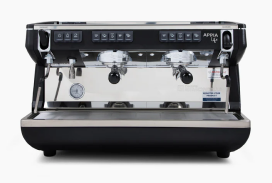
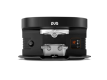
For an integrated flow profiling experience, see the Sanremo YOU at Pro Coffee Gear. It combines a built-in flow control device, dual boilers, and a rotary pump for complete command in a single unit.
The pump must provide a consistent water supply to the group head. Rotary pumps are often quieter and offer very stable flow rates. A robust pump ensures you have a reliable foundation to manipulate. It is the engine that makes advanced flow profiling possible.
These elements work together to translate your adjustments into the cup. Understanding them helps you choose a machine that meets your skill level.
Knowing what to look for is the first step; learning how to use it is the next.
Also read: Differences in Coffee Grind Size: Espresso vs French Press
Using a flow control machine involves more than flipping a switch. It is a methodical process that rewards patience and attention to detail. Your goal is to guide the water through the coffee puck intentionally.
Start with a simple profile before attempting complex recipes. Consistency in your grind size and dose is more important than ever. We recommend keeping a log of your pressure settings and results.
Follow these steps to pull your first flow-profiled shot:
Begin with a slightly coarser grind than you use for a standard shot. A dose of 18-20 grams is a typical starting point for a double basket. Distribute the grounds evenly and tamp with consistent pressure. Your puck preparation sets the stage for everything that follows.
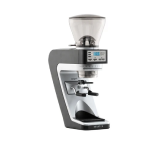
Consistent dosing starts with a precise grinder. The Fiorenzato F64 Evo Pro Sense at Pro Coffee Gear offers on-demand grinding with zero retention, ensuring your flow profiles begin with perfect, fresh grounds.
Engage the pump with the flow control valve completely closed. Slowly open the valve until you see the first drops of espresso. Maintain this low pressure, around 2-3 bars, for 5-10 seconds. This gently saturates the puck and helps prevent channeling.
Gradually open the valve to increase the flow rate. Aim to reach your target peak pressure, often between 6-9 bars. Watch the espresso stream; it should be steady and mouse-tailed. This is the main phase where most of the extraction occurs.
As you near your target yield, slowly begin to close the valve. Tapering the pressure can avoid over-extracting the final portion. Stop the pump completely once you reach your desired beverage weight. This gentle finish often contributes to a smoother, cleaner aftertaste.
Also read: Grinding Coffee Beans at Home: Techniques and Benefits
Protecting your investment is crucial for maintaining this new level of precision over time.
A flow control machine has more intricate components than a standard espresso machine. These parts require specific care to ensure long-term performance and accuracy. Oils and fine coffee particles can accumulate in the valve mechanism over time.

A consistent cleaning routine prevents buildup and preserves flavor purity. It also protects your investment in this precision equipment. Incorporate these tasks into your regular cleaning schedule:
Use a blind basket and a recommended espresso machine cleaner. This forces water and cleaner back through the group head and valve. It dislodges any trapped coffee oils and fine grounds. This practice is essential for keeping the flow path clear.
The shower screen and the area around the valve need regular attention. Soak the shower screen in a cleaning solution to dissolve residues. Wipe the valve assembly carefully with a damp, soft cloth. Ensure no cleaning agent remains before your next brew.
Mineral scale is the primary enemy of any espresso machine's internal plumbing. Use a descaling solution compatible with your machine's specific materials. Follow the manufacturer's instructions for the descaling process cycle. This prevents damage to pumps, boilers, and the flow control valve itself.
Also read: Difference between Espresso Beans and Coffee Beans: Roasting and Caffeine Comparison
Even with diligent care, occasional issues can arise. Here’s how to solve the most common problems.
Even with careful use, you may encounter occasional issues. Diagnosing problems with a flow control machine involves checking a few extra variables. The solution is often a simple adjustment to your technique or routine.
A systematic approach will quickly restore your machine to perfect working order. Start with the most common and easily fixable issues first.
Here are solutions for typical flow control challenges:
This often indicates an uneven coffee puck or the onset of channeling. Revisit your coffee grinding and distribution technique for more consistency. Ensure your coffee beans are fresh and within a suitable roast profile for espresso. A well-prepared puck is the foundation for stable pressure.
A small drip after brewing is usually normal due to residual pressure. Persistent dripping may suggest a worn-out group head gasket. Inspect the rubber gasket for signs of hardening or cracking. Replacing this inexpensive part typically resolves the issue.
Mineral scale or coffee particles may have entered the valve mechanism. Perform a thorough backflush and cleaning of the group head. If stiffness persists, consult the machine's manual for valve maintenance. Never force a valve that feels stuck, as this can cause damage.
Check the water reservoir or main water line connection for proper flow. Your machine’s pump or internal O-rings may need professional service. Ensure the flow control valve is assembled correctly after cleaning. This problem may require technical support from the manufacturer.
Having the right tool makes all the difference in avoiding these issues and achieving consistent success.
Mastering flow control requires a machine built for precision and reliability. Many standard machines cannot provide the thermal stability or component quality for true profiling. Inconsistent performance can hinder your learning process and frustrate your efforts.

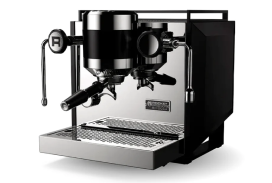
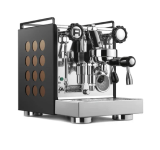
Pro Coffee Gear solves this problem with our curated selection of professional-grade equipment. Our flow control espresso machines, like Slayer Steam Single Espresso and Sanremo YOU, are engineered for unwavering accuracy. It provides the stable foundation you need to develop your profiling skills. You can focus on technique without fighting your tools.
Our recommended machines include these critical features:
The Slayer Steam Single is a compact, professional-grade espresso machine designed for home baristas and small cafés. Its manual 3-position brew actuator gives you hands-on pressure control and up to 10 seconds of programmable pre-infusion, helping you fine-tune saturation before full extraction. Once you dial in the ideal shot, the machine allows you to save and replay your recipe for repeatable results.
The Slayer Steam Single uses separate brew and steam boilers to maintain stable performance during both brewing and steaming. Its independent PID-controlled tanks include a 0.8L brew boiler and a 2.4L steam boiler, supporting precise temperature control and consistent extraction. A built-in commercial-grade rotary vane pump delivers smooth, reliable pressure for professional-level performance.
It is a single-group, multiboiler espresso machine built for total control of the extraction process. It combines manual pressure profiling with volumetric capability, making it suitable for both commercial and high-end home environments. This gives baristas the flexibility to work manually when developing recipes or rely on stored settings for consistency.
This Machine allows extraction profiles to be customized and stored. It includes 6 standard profiles with optimized parameter presets and 12 fully customizable profiles. Baristas can adjust all 3 extraction phases, with the option to disable pre-infusion and post-infusion when a recipe calls for a more direct extraction approach.
This combination of features ensures your investment directly translates to better espresso.
A flow control espresso machine provides unparalleled command over your coffee's flavor. It transforms extraction from a static process into a dynamic craft. You can highlight sweetness, balance acidity, and explore new taste dimensions.
This technology represents a significant step forward for baristas. Achieving these results requires a machine capable of precise execution. Pro Coffee Gear offers espresso machines built with the components that matter for flow profiling.
Our selection prioritizes thermal stability, durable valves, and clear feedback. These tools are designed to support your journey into advanced brewing. Explore our collection of espresso machines which are known for flow control to find your perfect match.
Pressure control directly regulates the pump's output pressure. Flow control manages the water volume reaching the coffee puck. Pressure is the effect of restricting the flow through the coffee. Many home systems achieve pressure profiling by manipulating flow rate.
A flow control machine offers a standard automatic mode for beginners. You can learn foundational skills before using the advanced features. The machine grows with you as your expertise develops. It is an excellent long-term investment for a serious enthusiast.
Some popular models, like the Rancilio Silvia or Gaggia Classic, have aftermarket kits. These kits involve modifying the machine's group head and water line. Installation requires technical comfort with disassembling your espresso machine. Purchasing a machine with integrated flow control is often more reliable.
Start with a long, gentle pre-infusion at 2-3 bars for 10-15 seconds. Slowly ramp up to a moderate pressure of 6-7 bars for the majority of the shot. Finish by tapering the pressure down over the last few seconds. This profile helps extract the delicate sugars in light roasts.
Flow control typically increases the total shot time compared to a fixed 9-bar extraction. A shot might run for 35-50 seconds instead of the traditional 25-30 seconds. The extended time allows for more gradual and complete dissolution of sugars. Time becomes a result of your profile, not a fixed target.
Our team can help you find the best fit based on your space, volume, and budget.
Talk to a Specialist

