




How to Clean a Coffee Grinder Without Damaging It
|
|
Time to read 18 min
Your Cart
Your cart
Favorites






Shop by Brands

Shop by Brands
Shop by Brands


Shop by Brands




Shop by Brands
Shop by Brands

|
|
Time to read 18 min
There's a version of your grinder performing at its absolute best, and there's the version coated in stale oil and packed-in grounds for weeks. The difference between the two comes down almost entirely to how and how often you clean it.
Coffee oils begin oxidizing once exposed to air and gradually accumulate on grinder components over time. A grinder that looks fine on the outside can still push off-flavors through every dose if the burrs and chute haven't been properly maintained.
This article walks you through the safest and most effective ways to clean your grinder without putting any of its components at risk.
Clean burrs dry, always: Water on steel burrs causes rust quickly. Stick to brushing and food-safe grinder cleaning tablets only.
Rice is blade-grinder only: Running rice through a burr grinder chips the grinding surfaces and voids your warranty.
Your coffee reveals the problem first: Bitter cups, inconsistent extraction, and clumped grounds are early signs your grinder needs cleaning.
Three cleaning layers, not one: Daily brushing, weekly hopper and chute cleaning, and monthly full disassembly cover all residue zones properly.
Dry everything before reassembling: Trapped moisture inside a reassembled grinder causes rust, mold, and motor damage over time.
Coffee oils are invisible troublemakers, and they start degrading the moment grinding is done. They coat burrs, cling to chutes, and mix with fine coffee dust to form a residue that compounds with every single use.
Left unchecked, this buildup works against your grinder in more ways than most people realize.
It turns your coffee bitter and stale: Rancid oils from old grounds contaminate every fresh dose passing through, pulling flavor in the wrong direction, no matter how good your beans are.
It throws off grind consistency: Buildup between burrs changes how they interact with beans, producing uneven particle sizes that lead to over-extraction in some spots and under-extraction in others.
It strains the motor progressively: Packed-in residue forces the motor to work harder on every grind cycle, wearing down internal components far ahead of their normal lifespan.
It contaminates bean-to-bean flavor: Switching roasts or origins without cleaning means the previous bean's oils bleed into the next batch, muddying flavor profiles you paid good money for.
It creates hygiene problems in commercial settings: In a café environment, rancid organic buildup inside a grinder is a sanitation concern, not just a flavor one, and it can surface during health inspections.
It shortens the equipment's service life: Grinders running dirty need servicing sooner, cost more to maintain, and hit their replacement window much earlier than well-kept machines do.
Use this schedule as a practical starting point. Cleaning frequency may change based on grinder type, daily volume, roast level, oiliness, and manufacturer guidance.
|
Cleaning Task |
Suggested Frequency |
What to Clean |
Best For |
|---|---|---|---|
|
Remove loose grounds |
Daily |
Grind chamber, chute, grounds bin |
Daily home use and café grinders |
|
Wipe hopper surfaces |
Daily to weekly |
Hopper walls and lid |
Oily beans and frequent grinding |
|
Brush burrs or blades |
Weekly |
Burr grooves, blade edges, chamber walls |
Burr and blade grinders |
|
Clean the chute |
Weekly |
Chute opening and internal pathway |
Espresso grinders and high-retention models |
|
Use grinder cleaning tablets |
Weekly to monthly |
Internal burr path and oil residue |
Burr grinders, if approved by the manufacturer |
|
Wash removable non-electrical parts |
Monthly |
Hopper, grounds bin, removable plastic parts |
Deep cleaning routines |
|
Deep clean and inspect burrs |
Monthly or as needed |
Burrs, chamber, chute, seals, visible wear points |
Heavy home use and commercial setups |
|
Recalibrate after disassembly |
After deep cleaning |
Grind setting and burr alignment |
Burr grinders that require burr removal |
|
Increase cleaning frequency |
As needed |
Hopper, burrs, chute, and chamber |
Dark roasts, oily beans, or high-volume service |
Cleaning frequency changes with grinder workload. A home grinder may need light upkeep most days, while café grinders usually need tighter routines because residue builds faster during service.
|
Area |
Home Grinder Cleaning |
Commercial Grinder Cleaning |
|---|---|---|
|
Cleaning frequency |
Daily brushing may be enough for light use, with deeper cleaning weekly or monthly depending on beans and volume. |
Daily cleaning is usually expected, with deeper cleaning scheduled more often during heavy service periods. |
|
Hopper care |
Wipe or wash the hopper regularly, especially when using darker or oilier beans. |
Clean hopper surfaces often because beans sit in contact with plastic or glass for longer periods. |
|
Burr and chute cleaning |
Brush burrs and chute during weekly maintenance, then deep clean as needed. |
Check burrs, chute, and chamber more frequently since retained grounds can affect many drinks quickly. |
|
Cleaning tablets |
Use only if the grinder manual allows them, usually between deeper cleaning sessions. |
May be useful for routine upkeep, but staff should follow manufacturer and service guidance. |
|
Maintenance tracking |
A simple reminder or calendar note may be enough for most home users. |
A cleaning log helps teams confirm daily tasks, deep cleans, and burr inspections are not missed. |
Knowing why cleaning matters is only half of it. Knowing exactly where to look makes the whole process faster and more effective. Residue doesn't spread evenly; it collects in specific zones, and missing even one of them leaves the job incomplete. Here's where to focus every time.
Burrs: The grinding surfaces accumulate the most oil and fine coffee dust, and buildup here directly affects grind quality and particle uniformity.
Blades: On blade grinders, oils bake onto the spinning edges with heat and friction, making residue there particularly sticky and stubborn to remove.
Grind Chambers: The inner chamber walls trap fine grounds and oils in a layer that grows thicker and more rancid with every use.
Coffee Chutes: Grounds slow down and pack into the chute over time, creating a buildup zone most people never think to check or clean.
Hoppers: Bean oils coat hopper walls steadily, and since hoppers often go longest between washes, rancidity tends to start here first.
Also read: Step-by-Step Guide on Cleaning Your Espresso Machine
Cleaning a grinder the wrong way is often worse than not cleaning it at all. The method that works perfectly for one grinder type can crack burrs, void warranties, or knock calibration completely out on another.
Before picking up a brush or a cleaning tablet, spend a moment identifying exactly what you are working with.

Blade grinders use a small spinning metal blade to chop beans into uneven fragments rather than grinding them with precision. They are common in home kitchens and budget setups, and they are the simplest type to clean.
The open chamber design gives you easy access to the blade and walls, and most residue sits right where you can see it. A soft brush, a dry microfiber cloth, and occasional use of the rice method are all you need to keep a blade grinder in good working order.
However, we don't recommend rice for cleaning blade grinders. You should always use dedicated grinder cleaning products instead.
Water can be used carefully on the chamber walls as long as the blade and motor base stay completely dry before reassembly.
Burr grinders crush beans between two abrasive surfaces called burrs, producing far more consistent particle sizes than blade grinders ever can.
They are the standard choice in specialty coffee, commercial cafés, and serious home setups. Because the grinding mechanism is more complex and more precise, cleaning requires more care.
Water near the burrs is a risk, rice should not be used in burr grinders, and disassembly needs to follow the manufacturer's instructions closely to avoid losing calibration. Cleaning tablets and dry brushing are your primary tools here.
Flat burr grinders use two horizontally aligned disc-shaped burrs facing each other to grind beans as they pass between the surfaces. They are widely used in commercial espresso settings because of the uniform grind and high output they deliver.
Oil and fine coffee dust pack densely into the flat grinding surfaces and the surrounding chamber, making thorough brushing essential at every clean.
The horizontal design means grounds can also collect in hard-to-reach areas around the burr housing. So, a dedicated grinder brush with a narrow head makes a real difference here.
Conical burr grinders use a cone-shaped inner burr rotating inside a ring-shaped outer burr to grind beans in a downward spiral motion. They run at lower speeds, generate less heat, and tend to retain less grounds than flat burr models.
Cleaning is slightly easier on most conical designs because the outer burr is easier to remove and exposes more surface area for brushing.
Even so, oils collect in the grooves of the conical burr and in the chute below it, and both areas need attention at every deep clean.
Cleaning feels easier when the grinder is built for daily use, steady access, and predictable maintenance. At Pro Coffee Gear, models like the Eureka Atom Excellence 75 and Fiorenzato F64 EVO PRO are strong burr grinder options for teams that care about consistency and upkeep.
Pro Coffee Gear also carries commercial grinders built for café use, with expert consultation to help match the right grinder to your machine, volume, and workflow.
Explore our grinder lineup and choose a model that fits your cleaning routine and daily service needs.
Also read: Eureka Atom Excellence 75 Grinder Review: Commercial Insights
The right tools make cleaning easier and reduce the chances of damaging grinder parts. Most cleaning jobs only require a few simple items.
|
Tool |
Why It Helps |
|---|---|
|
Soft grinder brush |
Removes grounds without scratching burrs or blades |
|
Microfiber cloth |
Cleans surfaces without leaving residue |
|
Small vacuum or air blower |
Pulls grounds from tight spaces |
|
Grinder cleaning tablets |
Helps remove coffee oils and residue |
|
Screwdriver |
Opens burr housing if removal is needed |
|
Soft cleaning cloth |
Wipes hoppers and exterior surfaces safely |
Cleaning a grinder becomes simple once the process follows a clear order. These steps work for most coffee grinders and help avoid accidental damage.
Step 1: Unplug the Grinder: This comes before everything else, no exceptions. An electric grinder can activate accidentally during cleaning, and contact with a spinning burr or blade can cause serious injury. For manual grinders, simply disassemble before starting.
Step 2: Empty the Hopper: Remove all remaining beans before doing anything else. Beans left in during cleaning mix with loosened residue and old oils, sending contamination straight into your next dose. Tip the hopper over a container and brush out anything stuck in the corners.
Step 3: Remove Loose Grounds: Run the grinder briefly with an empty hopper to push remaining grounds through the chute. Remove the grounds bin and discard its contents, then use compressed air to dislodge fine dust around the burrs and chamber before any wiping begins.
Step 4: Clean the Burrs or Blades: Remove the upper burr and brush both surfaces thoroughly, working bristles into the grooves where oils pack most densely. Never use water directly on burrs, as moisture causes rust and degrades the coating over time. For blade grinders, brush carefully around the edges and follow with a dry microfiber cloth.
Step 5: Clean the Grind Chamber: Use a grinder brush in small circular motions around the chamber walls, then wipe with a dry microfiber cloth. Stubborn oil buildup can be removed with a very lightly dampened cloth. However, the chamber must be bone dry before reassembly.
Step 6: Clean the Chute: Work a narrow brush or pipe cleaner through the full length of the chute to dislodge packed grounds from all sides. Follow with compressed air to push loosened material through completely. On high-volume commercial grinders, the chute needs attention at every single cleaning session.
Step 7: Wipe the Hopper and Exterior: Wash the hopper by hand with mild dish soap, rinse thoroughly, and dry completely with a microfiber cloth. Soap residue left on the hopper transfers directly to your beans, so rinsing carefully is not optional. Wipe the grinder body with a lightly damp cloth, then dry immediately.
Step 8: Reassemble the Grinder: Every part must be completely dry before anything goes back together. Reinstall the burrs carefully, confirm correct alignment, and lock them into place. If the upper burr is removed, recalibrate before brewing and discard the first dose to purge any remaining residue.
Also read: Choosing a Good Coffee Grinder: A Simple Buying Guide
Burr and blade grinders collect residue in different ways, so the cleaning process is not the same. A burr grinder needs more care, while a blade grinder usually needs a simpler surface-level routine.
|
Cleaning Area |
Burr Grinder |
Blade Grinder |
|---|---|---|
|
Difficulty |
Moderate, because more internal parts collect grounds |
Easy, because the design is simpler |
|
Disassembly |
Often needed for deeper cleaning |
Minimal in most cases |
|
Deep Cleaning |
Recommended to remove oils, fines, and packed grounds |
Less frequently, unless used often |
|
Cleaning Frequency |
Higher, especially for daily espresso or café use |
Lower, usually enough for an occasional grinding |
Three cleaning methods come up constantly in grinder maintenance conversations, and the confusion around them is understandable.

Each one works differently, suits different grinder types, and comes with real limitations worth knowing before you reach for any of them. Here is exactly how they stack up.
|
|
Cleaning Tablets |
Brushes |
Rice |
|---|---|---|---|
|
How It Works |
Food-safe pellets absorb oils and sweep residue through the grinder |
Stiff bristles physically scrub burr grooves, chambers, and chute edges |
Hard grains scrub blade chambers and absorb surface oils as they grind down |
|
Best For |
Burr grinders, flat and conical, commercial and home |
All grinder types during disassembly and deep cleaning |
Blade grinders only |
|
Use Frequency |
Weekly maintenance between deep cleans |
Full deep clean sessions |
Quick clean between proper sessions |
|
Ease of Use |
Very easy, run through like beans, discard powder |
Moderate, requires disassembly and manual scrubbing |
Easy, but risky if used on the wrong grinder |
|
Burr Grinder Safe |
Yes |
Yes |
No |
|
Blade Grinder Safe |
Check the manual first |
Yes |
Yes |
|
Risk Factor |
Low, check the warranty before use |
Low, match bristle firmness to burr coating |
High, chips and dulls burrs, likely voids warranty |
|
Cost |
Low to moderate |
Low |
Near zero |
Bottom line: Use tablets for routine burr grinder maintenance, a brush for deep cleans, and rice only if you own a blade grinder. Never run rice through a burr grinder. It is one of the most common and most costly mistakes in grinder care.
Also read: Step-by-Step Guide on Cleaning Your Espresso Machine
Most grinder damage doesn't come from heavy use. It comes from cleaning done carelessly or with the wrong approach entirely. These are the mistakes that show up most often, and knowing them ahead of time saves you from an expensive repair or an early replacement.
Using water directly on the burrs: Water causes steel burrs to rust faster than almost anything else, and even a small amount of moisture left on the grinding surfaces accelerates corrosion significantly. Always keep water away from burrs and stick to dry brushing.
Running rice through a burr grinder: Rice grains are considerably harder than coffee beans, and they put stress on burr surfaces that those components were never designed to handle. This method is blade grinder territory only, and using it on burrs risks chipping, dulling, and voiding your warranty in one move.
Reassembling before everything is fully dry: Moisture trapped inside a reassembled grinder has nowhere to go. It settles into the burr housing, encourages rust on metal components, and creates conditions for mold growth in the grinding chamber over time.
Skipping the chute entirely: The chute is narrow, hard to see into, and easy to overlook, which is exactly why rancid buildup there tends to go unnoticed the longest. Packed grounds in the chute contaminate every dose passing through it.
Using abrasive cloths or harsh cleaning products: Steel wool, rough sponges, and chemical cleaners scratch burr coatings and leave residues that transfer directly into your coffee. Microfiber cloths and food-safe products are the only appropriate options inside any grinder.
Losing calibration during disassembly: Removing the upper burr without noting your grind setting first means starting the dialing-in process from scratch. Write down or photograph your setting before disassembling anything.
Cleaning too infrequently on commercial equipment: A grinder pulling dozens of doses daily accumulates residue far faster than a home machine. Applying a home cleaning schedule to commercial equipment leaves you weeks behind on maintenance at all times.
Ignoring the hopper during cleaning: The hopper sits in contact with your beans continuously, and oil buildup on its walls goes rancid just as fast as residue anywhere else in the machine. Washing it separately at every deep clean is not optional.
Short answer: Cleaning frequency depends almost entirely on how hard the grinder is working and what kind of beans are going through it.
If the grinder runs every day, clean loose grounds daily, clean key areas weekly, and do a deeper cleaning every month. For café grinders handling heavy service, deeper cleaning may be needed every one to two weeks.
Dark roasts and oily single-origin beans leave residue faster than lighter roasts, and a café grinder running all day accumulates buildup in hours rather than days.
Use the schedule below as a baseline and adjust upward whenever volume or bean oiliness increases.
Brush loose grounds out of the grinding chamber and chute after the last use of the day.
Wipe the hopper interior with a dry cloth to remove surface oil deposits before they harden.
Empty and wipe out the grounds bin to prevent stale residue from mixing with fresh grounds the next morning.
On commercial grinders, run a brief purge dose of cheap beans through the chute to clear any grounds sitting in the exit pathway overnight.
Remove the hopper and wash it properly with mild soap and warm water, then dry completely before reattaching.
Brush the burrs or blades thoroughly to clear accumulated oil and fine coffee dust from the grinding surfaces.
Work a narrow brush through the full length of the chute to dislodge any packed-in residue building up along the walls.
Run grinder cleaning tablets through burr grinders to absorb oils that the brush cannot fully reach without full disassembly.
Wipe down the entire exterior, including the grounds bin port and chute exit, where oils collect without being obvious.
Fully disassemble the grinder according to the manufacturer's instructions, removing burrs, hopper, and all other accessible components.
Brush every surface thoroughly, paying close attention to burr grooves, chamber walls, and the full interior of the chute.
Wash all removable non-electrical parts with mild soap and warm water, rinse carefully, and dry completely before reassembly.
Inspect the burrs for signs of wear, chipping, or dullness while they are being removed, since this is the best opportunity to catch damage early.
Recalibrate the grind setting after reassembly and run a purge dose before returning the grinder to regular service.
Sometimes the schedule slips, and the grinder tells you before the calendar does. These are the signals worth paying attention to, because each one points to a specific type of buildup that cleaning will directly fix.
Your coffee tastes bitter or flat without explanation: When fresh beans are producing dull, off-tasting cups, rancid oil residue coating the burrs and chamber is almost always the cause.
The grind size feels inconsistent: If extraction times vary without any change in settings, packed residue between the burrs is interfering with how they contact the beans.
Grounds are clumping more than usual: Excess oil buildup on burr surfaces and chamber walls causes freshly ground coffee to stick together and clump heavily at the exit.
The grinder sounds louder or works harder than normal: A motor straining noticeably against the grinding process is a strong indicator of compacted residue forcing the mechanism to work beyond its normal load.
You can smell staleness coming from the machine: Rancid coffee oil has a distinctly sour, musty odor, and if the grinder is giving that off without any beans inside, the interior needs attention immediately.
Grounds are taking longer to exit the chute: Slowed output from the chute usually means packed residue is narrowing the passage and restricting flow, a problem that worsens quickly if left unaddressed.
There is visible dark residue on the burrs or chamber walls: Any dark, oily coating visible on accessible surfaces is a clear sign the interior is overdue for a proper cleaning.
Cleaning gets the grinder back to baseline, but maintenance keeps it there. The two work together, and skipping the maintenance side means cleaning sessions end up doing more catching up than they should.
These habits are simple to build and will make a real difference in how well your equipment performs.
Grind only what you need for each session: Leaving unused beans sitting in the hopper for days accelerates oil buildup on hopper walls and allows moisture exposure that degrades both the beans and the interior surfaces.
Purge between different bean types: Running a small dose of new beans through before your actual grind clears out residual flavor and oils from the previous batch, keeping each coffee tasting as intended.
Note your calibration settings before any disassembly: A quick photo of your grind setting before removing burrs saves significant time during reassembly and protects the dialing-in work you have already done.
Inspect the burrs for wear during every deep clean: Burrs that are dull, chipped, or visibly worn down produce uneven particle sizes, no matter how clean they are, and catching wear early prevents it from quietly degrading cup quality for weeks.
Store beans properly to reduce hopper residue: Oily, dark-roast beans stored in warm or humid conditions shed more residue inside the hopper. Keeping beans in a sealed, cool container before loading reduces the rate of interior buildup.
Follow the manufacturer's burr replacement schedule: Steel burrs wear down gradually, and most manufacturers provide a kilogram threshold for replacement. Pushing well past that threshold costs more in flavor quality than the price of a new burr set.
Keep a cleaning log for commercial equipment: On a high-volume café grinder, tracking when each cleaning type was last performed prevents the schedule from slipping during busy service periods.
Cleaning a coffee grinder is one of the simplest ways to protect flavor, consistency, and equipment life. Old grounds and oils build slowly, then start affecting every dose before the grinder looks dirty.
A safe routine keeps burrs, blades, chambers, chutes, and hoppers clear without putting parts at risk.
For daily use, think in layers. Brush loose grounds often, clean hidden areas weekly, and plan deeper cleaning based on volume.
If you are looking for grinders that make this whole process easier, Pro Coffee Gear carries some excellent options worth considering.
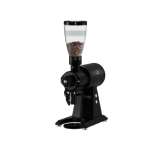
Mahlkönig X54: The Mahlkönig X54 features relatively straightforward burr access, making routine cleaning and maintenance easier for home users.
Fiorenzato F4 AllGround: The Fiorenzato F4 AllGround gives users access to the top burr area, which makes brushing out retained grounds and cleaning the chamber more manageable.
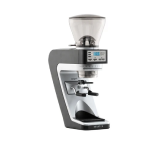
Baratza Encore ESP: The Baratza Encore ESP has removable hopper and burr components, plus a quick-release cone burr, making routine brushing and deeper cleaning more approachable for home users.
We also carry espresso machine cleaning supplies under our accessories range.
Make sure to check out our grinder and machine cleaning supplies lineup today to keep your setup running clean.
Rice works only on blade grinders, where it absorbs oils effectively. Never run it through a burr grinder as the hardness damages grinding surfaces and voids the warranty.
Light daily brushing, a proper weekly cleaning, and a full monthly deep clean covering burrs, chute, and hopper will keep a burr grinder performing consistently at any volume.
Absolutely. Rancid oils coating the burrs and chamber walls contaminate every fresh dose passing through, pushing bitterness and stale flavors into cups regardless of bean quality.
Yes, and they work well for routine burr grinder maintenance. Food-safe tablets absorb oils and sweep out fine residue without requiring full disassembly, making them practical for regular use.
Significantly. Residue packed between burrs changes how they contact beans, producing uneven particles and inconsistent extraction. A thorough cleaning restores the burr gap and brings particle uniformity back.
Our team can help you find the best fit based on your space, volume, and budget.
Talk to a Specialist

