


What is the Best Pump Pressure for Espresso Coffee?
|
|
Time to read 8 min
Your Cart
Your cart
Favorites





Shop by Brands

Shop by Brands
Shop by Brands


Shop by Brands


Shop by Brands
Shop by Brands
|
|
Time to read 8 min
Pump pressure coffee is one of the key factors that influence how your espresso tastes and behaves during extraction. It controls how water flows through the coffee grounds, impacting both flavor and the overall brewing experience. Even small changes in pressure can noticeably alter the taste and crema of your espresso.
Getting the espresso pressure right matters because it affects flavor balance, crema formation, and extraction quality. For example, too high a pressure can over-extract bitter compounds, while too low can leave the shot underwhelming. Cafés adjust pressure to highlight specialty bean flavors, while home baristas use it to suit their taste.
In this blog, you’ll explore everything you need to know about pump pressure coffee, including how it works, optimal settings, and practical adjustments. Whether you’re a café owner or home barista, this guide helps you get the best espresso every time.
Pump pressure coffee controls water flow through grounds, directly affecting espresso flavor, body, and crema.
Most espresso shots perform best around 9 bars, with slight adjustments for bean type or roast level.
Machines like the Rocket RE Doppia, Giotto Cronometro V, and Kees Van Der Westen Spirit allow precise espresso pump pressure control for consistent results.
Monitoring with built-in gauges or digital readouts ensures repeatable extraction and avoids common pitfalls like over- or under-extraction.
Fine-tuning pump pressure coffee alongside grind size, dose, and temperature delivers balanced, café-quality espresso every shot.
Pump pressure coffee refers to the force applied by an espresso machine’s pump to push hot water through coffee grounds. Measured in bars, it controls:

Extraction Rate: Proper espresso pressure ensures water extracts flavor compounds without over- or under-extracting.
Flavor Development: Adjusting espresso extraction pressure can emphasize sweetness, acidity, or chocolatey notes.
Crema Formation: Stable pressure helps produce thick, velvety crema on your espresso.
Bean Adaptation: Different beans may need subtle adjustments to bring out their best flavors.
Pro Coffee Gear Example: Machines like the Rocket Giotto Cronometro V allow cafés and home baristas to fine-tune pump pressure for repeatable results.
Espresso pump pressure shapes the taste, body, and crema of espresso. Even small pressure changes make a noticeable difference. Here’s what matters in daily workflow:
Soluble Compound Extraction: Higher pressure pulls more compounds from coffee grounds, enhancing body but potentially introducing bitterness if overdone.
Shot Timing: Proper espresso extraction pressure maintains optimal flow, ensuring shots reach ideal extraction time.
Flavor Balance: Adjusting pump pressure lets baristas emphasize specific taste notes.
Crema Quality: Consistent pressure creates thick, uniform crema.
Pro Coffee Gear Example: Machines like the Rocket RE Doppia, paired with the Anfim Luna grinder, let cafés adjust pump pressure to match beans and blends consistently.
Understanding espresso pump pressure is the first step; knowing how to dial in the optimal pump pressure for espresso ensures each shot delivers maximum flavor, body, and crema.
Getting the pump pressure in espresso machines right is essential for balanced, flavorful espresso. Most cafés and home baristas aim for a sweet spot that extracts the right flavors without over- or under-extraction.
Here’s a quick look at the real-deal recommendations and practical adjustments you can make:
Industry Standard: Around 9 bars is commonly used for espresso shots, providing a balance between flavor extraction and crema quality.
Adjusting for Bean Type: Lighter roasts may benefit from slightly lower pressure to avoid harshness, while darker roasts can handle a bit higher pressure for a richer body.
Shot Consistency: Maintaining stable pressure across multiple shots ensures flavor uniformity, especially during busy café hours.
Pro Coffee Gear Machines: Tools like the Rocket RE Doppia & Anfim Luna Bundle allow precise control over pump pressure to match different beans and blends.
Customer-Centric Tip: Ever notice a shot tastes sour or bitter? Checking your machine’s pump pressure can often solve the problem before adjusting grind size.
Cafés and home baristas often rely on these benchmarks for consistent espresso:
Standard Pressure: ~9 bars for balanced extraction.
Tolerance Range: ±1 bar depending on bean and roast.
Specialty Adjustments: Single-origin beans may need subtle tweaks.
Workflow Insight: Monitoring pressure during peak hours ensures shot quality.
Pro Coffee Gear Example: The Rocket Boxer Timer EVO allows baristas to monitor and maintain ideal pump pressure settings.
Bean-Specific Tips:
Light Roasts: Lower pressure preserves delicate floral or fruity notes.
Medium Roasts: Standard 9-bar pressure balances sweetness and acidity.
Dark Roasts: Slightly higher espresso extraction pressure extracts chocolatey flavors without bitterness.
Pro Coffee Gear Tools: The Rocket Giotto Cronometro V enables easy adjustment of pressure to suit bean types.
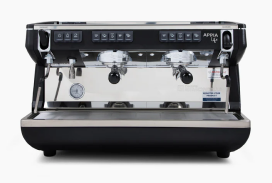
Looking to upgrade your café’s espresso game? The Nuova Simonelli Appia Life Compact at Pro Coffee Gear delivers professional-grade brewing in a space-saving design, helping you serve perfect, smooth espresso shots with every pull.
Once you know the ideal pump pressure for coffee, learning how to measure and adjust it ensures every shot extracts perfectly, whether at home or in a busy café
Understanding and controlling the pump pressure of coffee ensures every shot hits its flavor target. Measuring and adjusting pressure correctly lets baristas and home brewers maintain quality across different beans and brewing conditions.

Here’s how cafés and specialty setups handle it, things that actually make a difference in daily workflow:
Built-in Pressure Gauges: Many machines display pump pressure in real time, allowing baristas to see if adjustments are needed.
Manual Adjustment Valves: Some espresso machines feature accessible valves for fine-tuning pressure to match roast or blend characteristics.
Digital Monitoring Tools: Advanced machines like the Rocket Boxer Timer Evo provide precise readouts and can store preferred pressure profiles.
Pro Coffee Gear Workflow Example: Adjusting pressure while using the Anfim Luna grinder helps balance grind size and extraction for optimal flavor.
Customer Question: Ever notice shots pulling too fast or too slow? Monitoring and adjusting the pump pressure of coffee directly solves these issues before changing beans or grind.
Built-in pressure gauges on espresso machines make monitoring espresso pump pressure simple and reliable.
Instant Feedback: Detect deviations before flavor is affected.
Calibration Reference: Dial in grind and dose for repeatable shots.
Efficiency: Quick adjustments maintain quality during high-volume service.
Pro Coffee Gear Example: Rocket Giotto Cronometro V displays clear readings for matching beans and roasts.
Fine-tuning pump pressure in espresso machines is essential for achieving the desired taste, body, and crema. Adjustments impact workflow and flavor:
Flavor Tuning: Raising or lowering pressure emphasizes specific taste notes.
Shot Timing: Proper pressure maintains the ideal flow rate.
Bean Adaptation: Adjustments for light, medium, or dark roasts optimize flavor.
Pro Coffee Gear Tools: Rocket RE Doppia & Anfim Luna Bundle allows precise control for each bean.
After understanding how to measure and adjust pump pressure for coffee, it’s time to see the recommended settings on top espresso machines for consistent, flavorful shots.
Dialing in the right pump pressure for coffee can make a huge difference in flavor, crema, and extraction. Here’s how top Pro Coffee Gear machines handle pump pressure in real-world use:

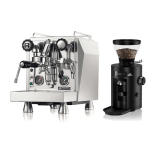
Rocket Boxer Timer EVO + Anfim Luna Bundle
Adjustable pump pressure and volumetric shot control.
PID-controlled boiler temperature.
Digital shot timers and automatic backflush.
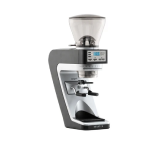
Anfim Luna: 65mm flat steel burrs, stepless grind adjustment, touchscreen.
Specs: Heat Exchanger, 2 group heads, 13.2L steam boiler, 25"L × 19.5"D × 18.5"H, 220V, 4300W
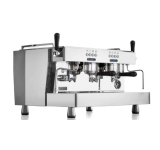
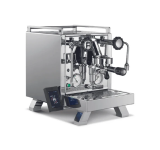
Rocket RE Doppia + Anfim Luna Bundle
Dual boiler setup for simultaneous brewing and steaming.
Volumetric controls and PID temperature management.
Anfim Luna: 65mm flat steel burrs, 4 programmable recipes, stepless grind adjustment.
Specs: Dual Boiler, 2 group heads, 9L steam boiler, 29.9"L × 23.2"D × 21.1"H, 208–240V, 5500W
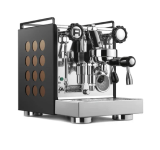
Heat-exchange system with a vibration pump for stable pressure.
PID boiler control and adjustable brew temperature.
Integrated shot timer.
Specs: Heat Exchanger, 1 group head, 1.8L steam boiler, 13.1"L × 16.5"D × 15.7"H, 110–120V, 1200W
Multi-boiler with dual external pumps for exact pressure control.
Pre-infusion profiling slowly ramps pressure to 9 bars.
Saturated group heads and independent PID control.
Specs: Multi-Boiler, Duette/Tripette group heads, 10.5–19.5L steam boiler, 45.3–49.6"L × 28"D × 17.7"H, 220–240V, 7300–10100W
Once you know the recommended pump pressure coffee settings, let’s explore practical tips, tricks, and common pitfalls to get every shot just right.
Understanding and adjusting pump pressure for coffee can be tricky, even for seasoned baristas. Here’s what to watch out for and how to fix it using Pro Coffee Gear machines:

Inconsistent Extraction
Issue: Espresso flows too fast or too slow.
Solution: Adjust volumetric dosing and pump pressure with Rocket Boxer Timer EVO or RE Doppia; fine-tune grind size on Anfim Luna.
Over- or Under-Extraction
Issue: High pressure over-extracts, low pressure under-extracts.
Solution: Kees Van Der Westen Spirit uses pre-infusion profiling to ramp pressure gradually.
Crema Problems
Issue: Thin or uneven crema.
Solution: Machines with PID boiler control, like Rocket Giotto Cronometro V, maintain steady temperature and pressure.
Pressure Fluctuations During Busy Hours
Issue: Shots become inconsistent under high-volume service.
Solution: Multi-boiler setups with dual pumps, like Kees Van Der Westen Spirit, maintain steady pressure.
Difficulty Switching Beans
Issue: Flavors carry over if pressure isn’t optimized.
Solution: Use adjustable pressure and programmable pre-infusion on Rocket RE Doppia to reset extraction conditions.
Struggling to deliver consistent, premium espresso in your café? The Rocket Boxer Timer Evo, exclusively offered through Pro Coffee Gear, pairs seamlessly with the Anfim Luna grinder for precise brewing and effortless grinding, helping you serve smooth, café-quality espresso every time.
After mastering tips, tricks, and common pitfalls, you’ll see how proper pump pressure in espresso machines directly elevates your espresso workflow and results.
If you’ve followed along, you now understand how pump pressure coffee impacts flavor, crema, and extraction for every shot. Machines like the Rocket Boxer Timer EVO + Anfim Luna, RE Doppia, Rocket Giotto Cronometro V, and Kees Van Der Westen Spirit allow cafés and home baristas to fine-tune pressure, pre-infusion, and brewing workflow for optimal results.
For tools, accessories, and parts that support professional coffee workflows, Pro Coffee Gear offers a curated collection built for durability and performance. With expert guidance and top-tier tools, you can elevate your espresso game, serve consistently flavorful drinks, and make every cup a café-quality experience.
Most specialty espresso setups aim for around 9 bars of pressure during extraction. Machines like the Rocket Boxer Timer EVO or Kees Van Der Westen Spirit allow precise control, so you can adjust slightly depending on bean type or roast profile to optimize flavor and crema.
Yes, small tweaks in pump pressure can highlight or suppress flavor notes. Lower pressure can produce smoother, sweeter shots, while slightly higher pressure can emphasize intensity. Using machines with PID control, like the Rocket Giotto Cronometro V, helps maintain stability while experimenting.
Absolutely. Proper pump pressure creates thick, velvety crema, which locks in aroma and texture. Espresso machines with saturated groups and dual boilers, like the RE Doppia + Anfim Luna, provide consistent pressure for uniform crema across shots.
Yes, certain advanced home-friendly machines like the Rocket Giotto Cronometro V have adjustable vibration pumps or pre-infusion settings, allowing home baristas to experiment with pressure without professional-level complexity.
Too high pressure can over-extract, causing bitterness; too low pressure can under-extract, producing sour flavors. Avoid over- or under-extraction by balancing pump pressure with grind size, dose, and temperature. Tools like the Anfim Luna grinder help fine-tune these variables for consistent results.
Our team can help you find the best fit based on your space, volume, and budget.
Talk to a Specialist

