


Top Astoria Espresso Machines for High-Volume Café Performance
|
|
Time to read 13 min
Your Cart
Your cart
Favorites





Shop by Brands

Shop by Brands
Shop by Brands


Shop by Brands


Shop by Brands
Shop by Brands
|
|
Time to read 13 min
Choosing a commercial espresso machine is not just a purchase decision; it is a daily operational commitment. As a café owner or coffee shop operator, you feel the pressure every morning rush brings, speed, consistency, and zero room for breakdowns. An espresso machine that struggles under volume can slow service like a clogged portafilter at peak hour.
Astoria espresso machines are built for this exact reality, where reliability matters more than hype and workflow matters more than aesthetics. If you are evaluating professional machines that can keep up with practical café demands, in this blog, we will explore Astoria espresso machines, their strengths, and how to choose the right model for your business.
Astoria machines are built for consistent performance in high-volume café environments.
Volumetric controls ensure repeatable espresso shots and faster workflow.
Single- and multi-group models suit varying space, volume, and menu complexity.
Thoughtful layout and accessible panels simplify barista operation and routine maintenance.
Proper filtration and correct voltage setup are critical for longevity and taste.
Astoria is a longstanding Italian manufacturer known for producing professional-grade espresso machines tailored for commercial environments. The brand focuses on delivering reliable, functional designs across its various product families.
Below are key aspects of Astoria as a commercial brand:
Product Families and Positioning: Astoria offers multiple product families, including the Pratic Avant, AB Series, and Core Line. Each family targets distinct operational needs, from compact single-group units to multi-group machines capable of high-volume service, enabling businesses to select models aligned with production requirements.
Core Line Design Philosophy: The Core Line emphasizes modern functional design, integrating ergonomic layouts, intuitive interfaces, and accessible maintenance points. Its focus is on workflow efficiency and operator convenience while maintaining consistent extraction and thermal stability.
Innovation in Workflow Support: Machines are engineered to streamline bar operations through programmable dosing, responsive steam wands, and strategically placed controls, which facilitate consistent beverage preparation during peak service periods.
Also Read: Finding the Best Espresso Grinder for Home Use
With Astoria’s background established, let’s examine the specific features buyers evaluate when selecting a machine for commercial use.
Selecting the right Astoria espresso machine requires understanding the operational features that impact consistency, efficiency, and workflow. Below are the critical features commonly assessed by professionals:
Thermal Stability and Recovery: Boilers are engineered to maintain consistent temperature and pressure even during high-volume periods, ensuring uniform shot extraction.
Boiler Types Across Product Lines: Astoria offers heat-exchange and multi-boiler systems depending on model, supporting single or multi-group configurations.
Operational Impact: Buyers compare heating efficiency and recovery speed to reduce wait times and support continuous service during peak hours.
Volumetric Dosing Options: Many Astoria models feature programmable doses per group to ensure repeatable espresso volume across multiple baristas and shifts.
User Interface and Usability: Consideration includes button layout, display readability, and ease of adjusting dose settings, which influence workflow speed and training requirements.
Customization and Precision: Buyers assess whether the machine allows fine-tuning for strength, shot timing, and other extraction parameters.
Ergonomic Group Placement: Raised group heads and accessible portafilter handles streamline workflow and reduce strain during long service hours.
Integrated Features: Downlights, cup warmers, and responsive steam wands enhance operational efficiency.
Maintenance Automation: Auto-clean cycles and easily removable components reduce downtime and simplify daily maintenance.
Model-Specific Verification: Features such as steam valve type and auxiliary workflow enhancements should be confirmed per SKU to match operational needs.
Now that the core decision factors are clear, let’s review the Astoria models available and how each fits different café needs.
Astoria offers a range of commercial espresso machines designed to meet the diverse needs of cafés and coffee shops. Each model balances operational efficiency, consistency, and workflow optimization to support daily service demands while accommodating different business sizes and service volumes.

Below are the Astoria machines available for professional settings:
Best For:
Café and restaurant environments with moderate to high daily drink volumes that require streamlined workflow and reliable espresso consistency.
Why It Fits:
Programmable dosing with four volumetric buttons automates shot volumes, reducing manual timing and improving consistency across baristas.
A heat exchange boiler allows simultaneous brewing and steaming, supporting rapid drink preparation during busy periods.
Features such as raised group heads and integrated barista downlights support ergonomic workflow, enhancing operational speed and comfort.
Automatic backflush functionality aids in routine cleaning, lowering daily maintenance effort.
Specs:
Boiler Type: Heat Exchange
Group Heads: Available in 2‑Group (most common configuration for this SKU)
Steam Boiler Capacity: 9 L (2‑Group)
Voltage: 110–120V
Wattage: Up to 5350 W, depending on configuration
Dimensions: Approximately 30.5″ W × 22″ D × 21.5″ H for 2‑Group
Certifications: ETL, NSF
Operational:
Water Filtration: Adequate commercial water filtration is recommended to protect the boiler and internal components and to support consistent extraction quality.
Service Access: Raised group heads and an accessible internal layout improve routine maintenance access, though certified technicians are advisable for complex servicing.
Best For:
Small cafés, boutique coffee shops, or limited-service counters where daily drink volumes are moderate and space is constrained.
Why It Fits:
Programmable dosing with four volumetric buttons provides consistent shot volumes, helping maintain quality during peak hours.
A heat-exchange boiler allows simultaneous brewing and steaming, supporting efficient drink preparation.
Compact footprint and straightforward control layout simplify training and allow placement in limited bar spaces.
Ergonomic design with an accessible group head improves workflow efficiency and reduces operator fatigue.
Specs:
Boiler Type: Heat Exchange
Group Heads: Single Group
Steam Boiler Capacity: 5 L
Voltage: 110–120V
Wattage: Up to 2750 W
Dimensions: 19″ W × 22″ D × 21.5″ H
Certifications: ETL, NSF
Operational:
Adequate water filtration is recommended to maintain boiler longevity and consistent extraction.
Requires a dedicated 110–120V circuit sized to the machine’s amperage (confirm with your electrician).
Service access is simplified through accessible panels and removable components for routine cleaning and maintenance.
Best For:
Cafés, restaurants, and coffee shops require a balance of durability, ergonomic operation, and consistent espresso output during peak service periods.
Why It Fits:
Form Follows Function Design: The AB200 work area is laid out with clear, intuitive geometry so controls, drip tray, portafilters, and steam/hot‑water levers are easily accessible, helping maintain workflow efficiency during busy service.
Optional Touch Interface: Configurations can include a 3.5″ touch‑screen display that simplifies machine programming, monitoring, and customization of shot volumes and parameters, enhancing operational control.
Ergonomic Workflow Support: Adjustable drip tray heights and LED barista lights create a flexible work surface while helping operators manage different cup sizes and lighting conditions.
Shot Counters and Monitoring: Integrated shot counters on each group support maintenance timing and usage tracking, which is valuable for scheduling service intervals and wear monitoring.
Specs:
Boiler System: Single boiler with thermosiphon group design; typical capacity ~9.5 L depending on configuration.
Group Heads: 2‑Group configuration (standard for this SKU).
Control Interface: Push‑button programming with optional 3.5″ touchscreen.
Steam Wands: Dual standard steam wands; optional “Cool Touch” or “Autosteamer Plus” models for automated milk texture control.
Utilities: Hot water outlet and adjustable drip tray standard; LED lighting and electronic cup warmer available in configured models.
Voltage/Power: 220–240 V with energy‑saving features and internal power management.
Operational:
Water Filtration Recommendation: Commercial‑grade water filtration is advised to protect the boiler and internal pathways from scale and impurities.
Installation Requirements: Requires professional installation with proper water pressure regulation and a dedicated electrical supply per local codes.
Service Access: Side panels and internal components are designed for relatively easy access, aiding routine maintenance and professional servicing without extensive disassembly.
Best For:
Mid- to high-volume cafés and coffee shops that require consistent espresso output with flexible workflow features and modern design integration.
Why It Fits:
Core 600 Series Design: Engineered around modern functional design, emphasizing operational efficiency and ease of maintenance while supporting professional workflow demands.
TS Configuration: “TS” indicates touchscreen programmable dosing, allowing operators to set volumetric shots per group for consistent extraction and faster service.
Workflow-Friendly Controls: Ergonomic layout and accessible group heads reduce training time and increase operational speed.
Simultaneous Brewing and Steaming: Dual functionality supports high-volume service with minimal downtime.
Specs:
Boiler Type: Heat Exchange
Group Heads: 2‑Group standard for TS model
Steam Boiler Capacity: Approximately 10 L
Voltage: 230 V
Dosing Controls: Touchscreen programmable dosing per group
Footprint/Dimensions: Moderate commercial footprint; verify exact width/depth on PCG product page
Plumbing Requirements: Standard commercial water line and drainage
Operational:
Water Filtration: Recommended to maintain boiler health and consistent espresso quality.
Installation: Requires professional installation with dedicated power and water connections.
Service Access: Designed for easy maintenance with removable panels and accessible internal components.
Best For:
Mid- to high-volume cafés and specialty coffee shops need consistent espresso output and operational reliability for daily service.
Why It Fits:
Workflow-Friendly Design: Ergonomic layout and accessible controls reduce training complexity and support fast, consistent beverage preparation.
Programmable Dosing: Each group features volumetric dosing buttons, enabling repeatable shots and reducing variability across baristas.
Boiler Reliability: The dual boiler system provides a stable temperature for simultaneous espresso extraction and milk steaming, ensuring uninterrupted service during peak hours.
Serviceability: Removable panels and accessible internal components simplify routine maintenance and reduce downtime.
Specs:
Boiler Type: Dual Boiler
Group Heads: 2
Voltage: 230 V
Dosing Controls: Programmable volumetric buttons per group
Footprint/Dimensions: Standard commercial 2-group layout; verify exact measurements on PCG page
Plumbing Requirements: Standard commercial water line and drainage
Operational:
Water Filtration: Recommended to maintain consistent extraction and prevent scale buildup in boilers.
Installation: Requires professional setup with dedicated electrical and plumbing connections.
Service Access: Designed for routine maintenance and part replacement with minimal disassembly.
Best For:
Small cafés, specialty coffee shops, or limited-service counters where space is limited and daily drink volume is moderate.
Why It Fits:
Workflow-Friendly Design: Compact layout and ergonomic controls allow efficient operation in tight bar spaces.
Programmable Dosing: Volumetric dosing buttons provide consistent shot volumes, improving speed and quality across multiple baristas.
Training Simplicity: Intuitive control panel and accessible group head simplify onboarding for new staff.
Reliable Performance: Heat exchange boiler supports simultaneous brewing and steaming, reducing wait times during service peaks.
Specs:
Boiler Type: Heat Exchange
Group Heads: Single Group
Voltage: 230 V
Dosing Controls: Programmable volumetric buttons
Footprint/Dimensions: Compact commercial 1-group layout; verify exact width/depth on PCG page
Plumbing Requirements: Standard commercial water line and drainage
Operational:
Water Filtration: Recommended to maintain extraction quality and prevent scale buildup.
Installation: Professional setup required with dedicated electrical and water connections.
Service Access: Removable panels allow straightforward routine maintenance and component access.
Also Read: A Guide to Different Types of Coffee Makers and Brew Methods
To make model differences easier to compare, the table below summarizes key specifications and use cases.
Below is a structured comparison of the key Astoria espresso machine models referenced throughout this blog.
|
Model |
Group Count |
Control Type |
Dosing |
Best For |
Footprint Notes |
|
Astoria Pratic Avant Xtra SAE |
2 |
Push‑Button |
Programmable Volumetric |
Mid‑Volume Cafés |
Standard Commercial |
|
Astoria Pratic Avant Xtra SAE 1‑Group |
1 |
Push‑Button |
Programmable Volumetric |
Small/Moderate Volume Shops |
Compact 1‑Group |
|
Astoria AB200 (2‑Group) |
2 |
Push‑Button / Optional Touchscreen |
Programmable Volumetric |
High‑Volume Shops |
Standard Commercial |
|
Astoria AB200 1‑Group |
1 |
Push‑Button |
Programmable Volumetric |
Small Cafés & Specialty Bars |
Compact |
|
Astoria Core 600 TS |
2 |
Touchscreen |
Touchscreen Programmable |
Mid‑High Volume Specialty Shops |
Standard Commercial |
|
Astoria Core 600 SAE (2‑Group) |
2 |
Push‑Button |
Programmable Volumetric |
Mid‑High Volume Shops |
Standard Commercial |
|
Astoria Core 600 SAE 1‑Group |
1 |
Push‑Button |
Programmable Volumetric |
Smaller Cafés & Growth Planning |
Compact Commercial |
Note: Voltage shown reflects the currently in-stock configuration.
This comparison aids in quickly understanding which Astoria models align with specific operational needs and physical constraints often faced by café owners and operators.
With the technical differences laid out, the next step is matching the right machine to your café’s workflow and volume.
Selecting the ideal Astoria espresso machine requires aligning machine capabilities with operational realities. The right choice impacts workflow efficiency, drink consistency, staff productivity, and long-term business growth.
Below are key decision factors to guide selection:
Drinks Per Hour and Peak Window Planning: Estimate the maximum number of drinks your shop will need to produce during peak periods. Multi-group machines (2-group or more) are generally better suited for high-volume cafés, while single-group machines support lower-volume specialty bars or boutique operations.
Menu Complexity: Consider the proportion of milk-based drinks versus espresso-forward beverages. Machines with dual boilers or heat-exchange systems enable simultaneous steaming and espresso extraction, minimizing wait times for complex menus.
Staffing and Training Reality: Account for staff turnover, skill levels, and training time. Workflow-friendly designs with intuitive controls and programmable dosing simplify barista onboarding and maintain consistent beverage quality.
Bar Space and Ergonomics: Evaluate counter layout and staffing needs. Two-person bars may benefit from wider 2-group machines with multiple steam wands, while single-station setups often perform best with compact 1-group machines that maintain efficiency in tighter spaces.
Growth Planning: Factor in your expected growth over the next 18–24 months. Choosing a slightly higher-capacity machine than current demand can prevent costly upgrades as customer volume increases.
Once a machine is selected, proper installation and café readiness are essential for reliable day-to-day operation.
Proper installation and café readiness are critical to maximizing the performance, longevity, and reliability of your Astoria espresso machine.

Below is a practical checklist for commercial café setups:
Electrical Requirements: Ensure the machine is matched to your site’s power supply. Most commercial espresso machines require dedicated circuits with sufficient voltage and amperage to support simultaneous brewing and steaming. Proper grounding and compliance with local electrical codes are essential for safety and performance.
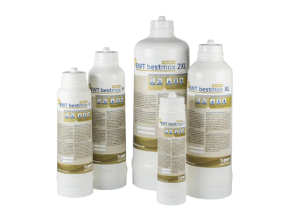
Water Quality and Filtration: High-quality water is critical for both taste and machine longevity. Filtration systems help remove excess minerals, chlorine, and impurities that can affect boiler operation and espresso flavor. Consider the hardness scale of your water, as high mineral content can lead to scaling and reduced boiler efficiency over time.
Plumbing and Drainage: Plan for a plumbed water line with consistent pressure and a dedicated drain. Proper water supply and drainage prevent interruptions during peak service and help maintain boiler health. Check for the ability to connect to standard commercial plumbing infrastructure.
Clearance and Service Access: Provide adequate back and side clearance for routine maintenance, service access, and component replacement. Machines with removable panels or accessible group heads simplify daily cleaning and servicing without disrupting operations.
Ventilation and Heat Management: Espresso machines generate heat behind the bar, particularly during high-volume periods. Ensure sufficient ventilation and airflow around the unit to avoid heat buildup that could affect barista comfort and machine performance.
This checklist equips café operators to prepare their space effectively, ensuring Astoria espresso machines perform reliably from day one while protecting both equipment and staff workflow.
Also Read: Understanding Espresso Machine Parts and Functions
After installation, ongoing maintenance becomes the key factor in long-term performance and equipment longevity.
Proper maintenance is essential for preserving the performance, reliability, and lifespan of a commercial espresso machine. Below are key routines and considerations for long-term ownership:
Daily Cleaning Routines
Backflush group heads using appropriate detergent, where applicable, to remove coffee oils and residue.
Wipe steam wands immediately after use to prevent milk buildup and maintain hygiene.
Clean portafilters, baskets, and drip trays to ensure consistent extraction and presentation.
Weekly Maintenance
Perform a deeper clean of group heads and shower screens to remove accumulated deposits.
Flush steam and hot water circuits according to manufacturer guidelines to maintain performance.
Inspect gaskets and seals for wear and replace as needed.
Water Filter Schedule
Replace or regenerate water filtration systems based on machine usage and water hardness.
Monitor filter condition to prevent scale buildup that can impair boiler performance and affect taste.
Performance Monitoring
Track pressure and temperature stability to detect drift that may indicate the need for adjustment or servicing.
Evaluate steam output and frothing consistency to ensure milk-based drinks maintain quality standards.
Serviceability Considerations
Machines with accessible panels and internal layouts simplify component replacement and routine maintenance.
Easy access to internal systems reduces downtime and ensures routine servicing can be completed efficiently.
Record Keeping
Maintain a log of maintenance activities, including cleaning schedules, filter changes, and any service interventions.
Use logs to anticipate routine maintenance, identify performance trends, and plan preventative servicing.
This structured maintenance framework supports consistent operation, reduces operational disruptions, and helps preserve the investment in high-quality espresso machines over the long term.
Astoria espresso machines combine durable commercial engineering with workflow-focused features, making them suitable for a range of café environments, from small boutique shops to high-volume specialty coffee bars.
With programmable dosing, heat-exchange or dual boilers, and ergonomic designs, these machines deliver consistent espresso and efficient service, supporting both skilled baristas and newer staff.
For tools, accessories, and parts that support professional coffee workflows, Pro Coffee Gear offers a curated collection built for durability and performance. Elevate your café or home setup with Astoria machines that balance performance, consistency, and operational efficiency.
Yes. Astoria espresso machines are engineered for commercial environments, supporting high-volume beverage preparation, consistent temperature and pressure, and durable construction suitable for daily café or restaurant operations.
Single-group machines such as the Astoria Pratic Avant Xtra SAE 1-Group or Core 600 SAE 1-Group are ideal for small cafés, offering a compact footprint while maintaining programmable dosing and reliable performance.
Volumetric dosing allows espresso machines to automatically dispense a pre-set amount of water per shot. Cafés use it to ensure consistent espresso volume, improve workflow speed, and reduce variability between baristas during busy periods.
Voltage depends on model and configuration. Always confirm the listed voltage on the exact SKU you’re purchasing.
Proper water filtration is essential to reduce mineral buildup, protect boilers, and maintain taste quality. Filtration systems should match local water hardness, with regular maintenance and replacement based on usage to prevent scaling and preserve machine longevity.
Our team can help you find the best fit based on your space, volume, and budget.
Talk to a Specialist

