

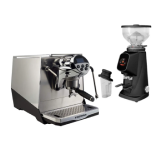

Astoria AB200 Compact Espresso Machine Guide: What Baristas Need to Know
|
|
Time to read 14 min
Your Cart
Your cart
Favorites





Shop by Brands

Shop by Brands
Shop by Brands


Shop by Brands


Shop by Brands
Shop by Brands
|
|
Time to read 14 min
Choosing an espresso machine isn’t just about specs; it’s about trust. You need a machine that delivers clean shots every morning without drama and doesn’t penalize you for caring about consistency. Whether you’re a home barista upgrading from prosumer gear or a small café owner working with limited counter space, the decision carries real weight.
The Astoria AB200 Compact promises commercial performance in a tighter footprint, but promises alone don’t pay for downtime or wasted beans. In this guide, we’ll break down the performance of the Astoria AB200 Compact, highlighting where it excels, where it falls short, and whether it fits your workflow.
The Astoria AB200 Compact delivers consistent espresso quality with precise temperature and pressure control.
Its compact footprint makes it ideal for home enthusiasts and small commercial setups.
Reliable milk texturing supports lattes and cappuccinos with consistent microfoam.
Strong build materials and internal components ensure long-term durability and minimal maintenance.
Suitable for moderate-volume use, balancing performance, workflow efficiency, and space optimization.
User-friendly controls and straightforward workflow make it approachable for low-volume operators and non-professional baristas.
Understanding technical specifications is essential when evaluating whether an espresso machine can meet daily workflow demands without compromise. The Astoria AB200 Compact is designed for environments where reliability, performance, and space efficiency converge.
Below are the detailed technical characteristics that influence actual performance, installation requirements, and usability.
Heating architecture directly impacts shot quality, steam consistency, and operational efficiency. The AB200 Compact balances rapid heat-up, stable extraction, and reliable steaming, addressing the challenges faced in both home and light commercial environments.

Below are the core heating and pressure components that influence day-to-day brewing results.
Boiler: Commercial-grade single boiler (3.5L for 1 Group / 5L for 2 Group Compact) maintains temperature stability during simultaneous brewing and steaming.
Pump Type: Equipped with a professional rotary-style pump, ensuring even water pressure throughout the extraction process. Supports controlled flow and reduces channeling, enabling consistent espresso shot quality.
Heat-Up Time: Rapid thermal ramp-up allows the machine to reach operational readiness quickly, supporting fast service start times without compromising temperature stability.
Temperature Stability Metrics: Maintains tight temperature ranges even during back-to-back shots. High thermal stability ensures uniform flavor extraction, reducing the need for recalibration throughout service hours.
Electrical performance affects installation feasibility, operational reliability, and long-term safety. The AB200 Compact is optimized for commercial circuits but can operate in advanced residential setups if wiring capacity and dedicated circuits are in place.
Below are the detailed electrical specifications.
Voltage & Amperage: Compatible with both 110V and 220-240V configurations. Requires a dedicated circuit with sufficient amperage to support continuous heating and steaming without tripping breakers.
Wattage:
1 Group: 1800W / 2700-3200W depending on voltage;
2 Group Compact: 1800W / 2800-3300W.
Wattage supports high-temperature stability while balancing energy draw to minimize spikes and reduce strain on facility power infrastructure.
Suitability for Home vs Commercial Electrical Setups: Optimized for commercial use with a stable, dedicated electrical supply.
The AB200 Compact’s physical footprint, weight, and counter clearance requirements directly affect workflow efficiency, installation planning, and long-term usability. Proper space management ensures ergonomic wand operation, safe maintenance, and smooth service flow.
Below are the key physical characteristics that influence placement and usability.
Width, Depth, Height:
1 Group: 18.50” W × 24.92” D × 19.3” H
2 Group Compact: 24.21” W × 24.92” D × 19.3” H
These precise dimensions enable effective counter planning, adjacent equipment clearance, and user reach during extraction and steaming.
Machine Weight:
1 Group: 99.2 lbs / 2 Group Compact: 112.4 lbs
Significant mass provides stability, minimizing vibration during tamping or milk texturing and ensuring durable long-term operation.
Also Read: Mahlkönig X54 vs Baratza Encore ESP: 2026 Prosumer Grinder Comparison Guide
Let’s review the Astoria AB200 Compact technical specifications to understand how they influence brewing performance, shot quality, consistency, and overall output.
Brewing performance defines whether an espresso machine can deliver repeatable, café-quality results under real working conditions. Shot clarity, extraction stability, and output capacity directly affect workflow efficiency and beverage consistency, particularly in high-demand periods.
Below are the key performance factors that determine how reliably the machine handles espresso preparation.
Consistent espresso extraction is the foundation of flavor precision and customer satisfaction. Temperature control is critical, as fluctuations during extraction can alter solubility rates, affecting taste balance, crema quality, and overall mouthfeel.
Below are the defining metrics for shot reliability on the AB200 Compact.
Shot-To-Shot Variance: The AB200 Compact delivers consistent extractions with minimal variation between shots, maintaining uniform flow rate, pressure, and temperature.
Extraction Precision Metrics: Professional-grade group head design and pump stability minimize channeling, ensuring evenly saturated coffee beds. This leads to a balanced body, flavor clarity, and optimal crema on every extraction.
Understanding a machine’s throughput is crucial when matching equipment to workload. Overloading a machine can reduce thermal stability and compromise shot consistency, whereas underutilization may undercut ROI.

Below are estimated shots per hour for typical scenarios.
Home Usage Output: 30–50 shots per hour for daily routines or small social events.
Small Café / Low-Volume Commercial Output: 60–100 shots per hour for boutique coffee shops or low-volume cafés.
Thermal Recovery Efficiency: Even with consecutive extractions, the machine’s recovery time between shots allows quick turnaround without compromising taste or steam performance, essential for maintaining consistent milk drinks in commercial settings.
Precise pressure control is essential for even water flow, uniform extraction, and enhanced flavor clarity. Fluctuations in pressure can lead to under-extracted or over-extracted coffee, affecting body, aroma, and crema quality.
Below are the pressure-related factors that influence cup quality on the AB200 Compact.
Pump Pressure Behavior: The rotary-style pump machines maintain consistent pressure throughout the extraction cycle. Controlled water flow prevents channeling and ensures each shot receives even saturation, supporting optimal solubility of coffee compounds.
Impact on Crema and Flavor Clarity: Subtle sweetness, acidity, and aromatic compounds remain distinct, providing a café-quality cup in both home and commercial settings.
Pressure Stability During Consecutive Shots: Even during high-volume extraction, the machine maintains pressure within tight tolerances, ensuring repeatable taste and crema consistency across multiple beverages.
Understanding the Astoria AB200 Compact’s brewing performance is essential before exploring how its steam wand and milk texturing capabilities support consistent, café-quality beverages.
Steam performance is a critical factor for producing milk-based beverages consistently and efficiently. Pressure strength, recovery time, and texturing consistency determine how reliably a machine supports service during high-volume periods.
Below are the key steam performance factors that influence milk preparation and barista efficiency.
Steam pressure output and recovery speed define whether milk-based beverages can be prepared consecutively without interruption. Below are the steam characteristics that determine performance during back-to-back drink preparation.
Steam Power Metrics: The steam wand produces high-quality microfoam, ensuring smooth integration with espresso.
Optional Autosteam Feature (2 Group Compact): For units equipped with the autosteam option, automatic steam wand temperature regulation ensures repeatable milk texturing, reduces manual monitoring, and enhances workflow efficiency in commercial or high-demand environments.
Speed and predictability in milk texturing are essential for professional-quality beverages. Consistent microfoam, controlled temperature, and rapid aeration contribute to both taste and visual presentation.
Below are the performance factors that impact milk texturing results.
Time to Texture Milk: Efficient milk aeration and heating allow baristas to produce standard latte and cappuccino volumes quickly without overheating, supporting multiple consecutive drinks.
Foam Quality: Delivers consistent microfoam across drinks, ensuring smooth integration with espresso and reliable execution of latte art.
Suitability for Back-to-Back Milk Drinks: The AB200 Compact’s steam system sustains performance under repeated steaming cycles, making it suitable for environments with continuous milk-based drink preparation. In 2 Group Compact models, dual steaming options further increase throughput without compromising foam quality.
Operational Ergonomics: Steam wand positioning and reach are optimized for compact counter setups, reducing fatigue and allowing precise control for both home baristas and small café operators.
Integrated Safety Features: Steam valves and pressure relief mechanisms ensure stable operation while protecting the operator and minimizing maintenance risks during sustained use.
Also Read: The Complete Guide to Coffee Pressure Brewers: Taste, Extraction, and Control
Beyond espresso extraction, the Astoria AB200 Compact’s steam wand performance and milk texturing precision work hand-in-hand with its durable build and high-quality materials to ensure long-term reliability and consistent drink quality.
The physical construction and internal engineering of an espresso machine are as critical as its brewing performance. Durable materials, precision components, and thoughtful design ensure consistent operation, minimal downtime, and long-term return on investment.
Below are the key aspects of build quality and durability that impact operational lifespan.
Material selection and component engineering directly impact both reliability and extraction performance. The AB200 Compact uses premium materials and precision-fitted parts to withstand thermal stress and mechanical wear.
Below are the critical construction features.
Frame Material: Heavy-duty stainless steel and reinforced alloys form the machine frame, providing corrosion resistance, thermal stability, and mechanical rigidity during extraction, tamping, and steaming.
Boiler and Piping Quality: Industrial-grade boilers and commercial-grade piping resist high pressure and thermal fluctuations. Components are designed to minimize scale buildup, reduce leakage risk, and support consistent heat retention over time.
Certifications and Standards: UL/ULC and NSF certifications confirm compliance with commercial safety, hygiene, and electrical standards, reflecting high build quality and safe operation under daily commercial loads.
Operational consistency is essential for uninterrupted workflow and beverage quality. The AB200 Compact is engineered to maintain performance even under extended service periods.
Below are the daily reliability characteristics.
Heat Tolerance: All major components retain structural and functional integrity during repeated high-temperature cycles, ensuring stable extraction and steam output across multiple drinks.
Mechanical Wear Considerations: Moving parts, including the group head, portafilter seating, and steam valves, are engineered for minimal friction and extended life, reducing maintenance frequency while supporting reliable performance.
Operational Stability: Heavy construction and thoughtful component placement reduce vibration during tamping, shot pulling, or milk texturing, protecting internal mechanisms and improving user ergonomics.
Understanding the build quality, materials, and long-term durability of the Astoria AB200 Compact helps when comparing it directly with the Astoria Pratic Avant XTRA SAE for performance, workflow, and use-case suitability.
Comparing similar machines within astoria espresso machine family offers clarity on performance trade‑offs and application suitability. When choosing between the Astoria AB200 Compact and the Astoria Pratic Avant XTRA SAE, differences in output, stability, and design influence daily workflow and environment fit.
Below is a structured comparison highlighting technical differences, shared features, and use-case alignment.
|
Feature / Specification |
||
|
Single boiler (commercial-grade) |
Heat exchanger system (brew water through boiler pipe) |
|
|
Number of Group Heads |
1 (1 Group Compact) |
2 (Semi-automatic, raised group heads) |
|
Steam Boiler Capacity |
3.5L |
9L |
|
Shot/Hour Capacity |
Moderate (suitable for home and small café) |
High (supports busy café workflows) |
|
Heat Stability |
Maintains consistent temperature for back-to-back shots |
High thermal stability with simultaneous brew & steam capability |
|
Pump Type |
Professional pressure delivery system |
Commercial-grade Rotary pump |
|
Power Requirements |
110V / 220-240V, 1800–3200W |
230V, 4800W, 21.4A |
|
Machine Dimensions (L×D×H) |
18.5" × 24.92" × 19.3" |
30.5" × 22" × 21.5" |
|
Weight |
99.2 lbs |
159 lbs |
|
Footprint / Counter Space |
Compact, fits tight counters |
Larger footprint, requires dedicated counter space |
|
Workflow Features |
User-friendly controls, optional autosteam (2 Group Compact) |
Volumetric shot programming, automatic backflush, barista downlights, and a hot water dispenser |
|
Maintenance Features |
Easily accessible for routine cleaning |
Auto-backflush, raised group heads for cleaning ease |
|
Certifications |
UL/ULC, NSF |
ETL, NSF |
|
Shared / Sync Features |
High-quality stainless steel construction, precise temperature control, consistent espresso extraction, and a reliable steam wand |
High-quality stainless steel construction, precise temperature control, consistent espresso extraction, and a reliable steam wand |
Which Machine Suits Which Users
Astoria AB200 Compact: Best for small commercial setups with moderate usage.
Astoria Pratic Avant XTRA SAE: Best for high-volume commercial environments needing simultaneous brewing and steaming.
Also Read: Rocket Appartamento vs Appartamento TCA: Which Espresso Machine Fits Your Needs?
Examining the Astoria AB200 Compact vs Astoria Pratic Avant XTRA SAE highlights the AB200 Compact’s actual performance and practical benefits.
The Astoria AB200 Compact offers a balance of professional performance and space efficiency, making it suitable for a variety of use environments. Below are the primary advantages observed in practical application.

Strengths in Espresso Quality and Consistency: Ensures uniform extraction across consecutive shots, supporting flavor clarity and body definition while minimizing variation caused by thermal drift or pressure inconsistencies.
Flavor Clarity: Maintains distinct coffee notes and crema integrity, allowing nuanced flavor profiles to remain perceptible in each cup, which enhances both home and light commercial brewing experiences.
Extraction Reliability: Delivers consistent shot timing, pressure, and volume control, reducing the need for frequent adjustments and ensuring dependable beverage quality throughout daily service cycles.
Compact Design Advantages For Limited Spaces: Its optimized footprint fits well in restricted counter areas, ensuring easy access to controls, portafilters, and steam wands.
Space Optimization Benefits: Enables efficient utilization of counter space, providing room for cups, accessories, and workflow movement while maintaining ergonomic access to essential components.
Ease of Daily Operation for Trained Users: Intuitive control layout and clear operational feedback simplify routine tasks, including dosing, steaming, and cleaning, which reduces training time and supports efficient daily operation.
Workflow Simplicity: Streamlined interface and logical group arrangement direct smooth task execution, allowing baristas or home users to perform multiple operations with minimal interruption.
Control Layout: Strategically positioned switches, gauges, and indicators enhance operational awareness and reduce unnecessary motion, contributing to consistent shot preparation and ergonomic efficiency.
While the Astoria AB200 Compact offers clear advantages in consistency and workflow, understanding its limitations ensures informed buying decisions.
Even high-performing espresso machines have specific limitations that buyers should understand before purchase. Below are the main considerations and practical ways to address them.
Learning Curve for New Espresso Machine Users: Requires familiarity with espresso fundamentals like dosing, tamping, and extraction control.
Solution: Invest in a structured training session or follow manufacturer-recommended tutorials to accelerate skill development and reduce early frustration.
Dial-In Complexity: Adjusting grind size, dose, and extraction parameters can initially be challenging.
Solution: Utilize trial-and-error logging and maintain a grinder with precise calibration to achieve repeatable results faster.
Capacity Constraints For High-Volume Cafés: Limited shot throughput and steam recovery may not sustain peak commercial demand.
Solution: Consider pairing with additional machines during rush periods or scheduling staggered preparation to maintain service efficiency without compromising quality.
Output Ceiling: Designed primarily for home or low-volume commercial use, limiting maximum shots per hour.
Solution: Match machine placement to expected demand and avoid overloading beyond recommended service volumes to maintain consistent performance.
Steam Limitations: Continuous milk steaming may slow down during back-to-back milk drinks.
Solution: Preheat milk pitchers and stagger steaming cycles where possible to maintain foam quality and temperature control.
Price-to-Feature Considerations: Higher upfront cost relative to entry-level machines may impact perceived value.
Solution: Evaluate features against operational needs, emphasizing thermal stability, build quality, and long-term reliability to justify investment.
Knowing the limitations of the Astoria AB200 Compact helps plan proper maintenance and manage long-term ownership costs effectively.
Proper maintenance is essential to preserve performance, ensure consistent espresso quality, and extend the lifespan of the machine. Below are the detailed maintenance requirements and troubleshooting considerations for long-term care.
Daily and Weekly Cleaning Responsibilities: Regular cleaning prevents the buildup of coffee oils, milk residue, and scale, which can compromise extraction and steam performance.
Group Head: Backflush with recommended detergents and rinse thoroughly to maintain pressure consistency and flavor integrity.
Steam Wand: Purge and wipe after each use; weekly deep clean prevents clogging and ensures microfoam quality.
General Upkeep: Wipe exterior surfaces, empty drip trays, and inspect water reservoirs to prevent contamination and mechanical strain.
Preventive Maintenance Schedule: Proactive maintenance reduces costly repairs and preserves thermal and mechanical performance.
Descaling Frequency: Perform based on water hardness and machine usage; prevents mineral accumulation in boilers and piping.
Gasket and Component Replacement: Inspect and replace seals, valves, and other wear-prone parts periodically to avoid leaks and pressure loss.
Common Issues and Practical Troubleshooting: Even high-quality machines can experience minor operational issues; timely intervention maintains reliability.
Pressure Inconsistencies: Check pump function, group head cleanliness, and boiler pressure settings; regular backflushing mitigates this problem.
Steam Performance Drops: Ensure wand and boiler are free of scale and residue; verify steam valves and pressure recovery cycles to maintain consistent milk texturing.
Understanding maintenance requirements for the Astoria AB200 Compact ensures optimal performance and helps identify which users will benefit most from its features.
Selecting the right espresso machine requires aligning capabilities with user needs, environment, and expected beverage volume. Below are the user profiles and environments where the Astoria AB200 Compact delivers optimal results:
Ideal Users And Environments
Home Enthusiasts: Suitable for dedicated home baristas seeking professional-grade espresso without requiring large-scale commercial capacity; supports precise extraction and reliable milk texturing in limited space.
Small Commercial Setups: Effective for small cafés, boutique coffee shops, or low-volume commercial settings where moderate throughput and consistent performance are essential for daily operations.
Who Should Consider A Different Machine
High-Volume Cafés: Environments requiring continuous extraction of large numbers of shots per hour may exceed the AB200 Compact’s sustainable output, necessitating machines with higher throughput and faster steam recovery.
Entry-Level Users: Individuals unfamiliar with espresso fundamentals may face a learning curve in dialing in and operating the machine; simpler, fully automated models may be more suitable for beginners.
Also Read: Rocket Boxer vs Nuova Simonelli Compact: Detailed Comparison for Cafes & Home Bars
Identifying who the Astoria AB200 Compact is best suited for highlights its ideal applications and sets the stage for a final performance conclusion.
The Astoria AB200 Compact blends professional espresso quality, compact design, and reliable milk steaming into a machine suited for home baristas and small cafés. Its durable construction, efficient workflow, and consistent performance make it a strong choice for those seeking café-quality beverages without taking up too much counter space.
For tools, accessories, and parts that support professional coffee workflows, Pro Coffee Gear offers a curated collection built for durability and performance. Explore the complete lineup of espresso essentials at Pro Coffee Gear to complement your setup. For high-quality performance and long-term reliability, consider adding the Astoria AB200 Compact to your coffee workspace today.
This machine typically requires a dedicated circuit with sufficient amperage to support heating and steam functions. Residential setups must meet the specified voltage and amperage requirements to avoid performance issues or electrical strain.
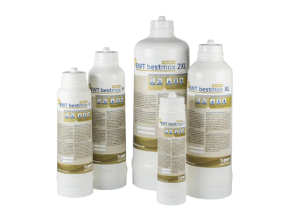
Using a high‑quality water filtration system helps reduce scale buildup and prolongs component life. Inline or under‑counter filtration systems that manage mineral content and impurities are often advised for consistent performance.
While designed to balance brewing and steaming efficiently, this model does not employ a separate dual boiler system. As a result, simultaneous extraction and steaming must be managed within its integrated thermal design.
Warm‑up time varies depending on ambient conditions and electrical supply stability, but most units reach full brewing and steaming readiness within a standard commercial warm‑up window. Frequent use keeps the system near optimal temperature.
Aftermarket components such as enhanced portafilters, precision baskets, and PID upgrades may be available from third‑party suppliers. Selecting quality parts that match the machine’s specifications ensures compatibility and performance integrity.
Our team can help you find the best fit based on your space, volume, and budget.
Talk to a Specialist

