


Single Boiler vs Dual Boiler Machines: Features, Key Differences, & Best Usage
|
|
Time to read 12 min
Your Cart
Your cart
Favorites





Shop by Brands

Shop by Brands
Shop by Brands


Shop by Brands


Shop by Brands
Shop by Brands
|
|
Time to read 12 min
The boiler system is one of the most important design elements inside an espresso machine. It determines temperature stability, steaming power, and how quickly you can move through your daily coffee workflow.
When comparing single boiler vs dual boiler espresso machines, the key difference lies in how each system manages brewing temperature and steam pressure. These design choices directly affect convenience, speed, and consistency when making espresso drinks.
Alongside these two systems, heat exchanger machines provide a third option that sits between them, offering simultaneous brewing and steaming with a single boiler.
This guide compares single boiler, heat exchanger, and dual boiler machines to help you choose the setup that best fits your brewing style.
Single Boiler Systems Are Ideal for Casual Users: Perfect for home baristas who brew 1–2 drinks a day and want an affordable, space-saving espresso machine.
Dual Boiler Systems Offer Speed & Precision: Best for high-demand environments or frequent espresso and milk-based drink makers, allowing simultaneous brewing and steaming without delays.
Temperature Stability Is Key: Dual boilers offer better temperature control, resulting in consistent espresso shots and smooth milk frothing, whereas single boilers may experience fluctuations.
Single Boilers Are More Energy-Efficient: Single boilers use less energy because they have a single heating element, making them well-suited for occasional use.
Heat exchanger machines: These machines allow simultaneous brewing and steaming using a single boiler.
Let's start by understanding the role of the boiler in your espresso machine and why its design matters beyond temperature readings.
The boiler is the core of any espresso machine, responsible for heating water to the precise temperatures needed for brewing and steaming.
In a single-boiler system, a single heating element performs both tasks, while in a dual-boiler system, two separate boilers handle brewing and steaming independently.
It is important to observe that:
For espresso, the ideal brewing temperature is between 90–96°C (195–205°F) with slight variations depending on the bean type and desired flavor profile.
This range ensures optimal extraction, allowing the coffee grounds to release their flavors without over- or under-extracting.
For milk steaming, higher temperatures are required to create the creamy microfoam that makes lattes and cappuccinos so delicious.
In single-boiler machines, this can be a bit tricky, as the machine must switch between brewing and steaming. This leads to temperature fluctuations that may affect the consistency of your shots and the texture of your milk.
On the other hand, dual-boiler machines provide a more stable brewing environment by allowing each function (brewing and steaming) to maintain its ideal temperature simultaneously.
Also Read: Best Espresso Coffee Machine with Milk Steamer 2025
Modern espresso machines typically use one of three boiler systems: single boiler, heat exchanger, or dual boiler. Each design balances cost, workflow speed, and temperature stability differently.
A single boiler machine uses one boiler for both brewing espresso and steaming milk. Because brewing and steaming require different temperatures, the machine must switch modes between tasks.
Best for:
• 1–2 drinks at a time
• compact home setups
• budget-conscious buyers
Heat exchanger machines use a single boiler maintained at a steam temperature while brewing water passes through a heat exchange tube. This design allows simultaneous brewing and steaming, making them faster than single boiler machines.
Advantages:
• strong steam power
• faster workflow
• more affordable than dual-boiler machines
Common use:
• small cafés
• coffee carts
• advanced home setups
Note: Heat exchanger machines typically require a cooling flush before brewing to stabilize the temperature.
Dual-boiler machines contain two independent boilers. One boiler maintains brewing temperature while the other generates steam.
Advantages:
• simultaneous brewing and steaming
• stable temperature control
• ideal for milk-heavy workflows
Common use:
• prosumer home setups
• cafés
• high-volume environments
Choosing the right espresso machine involves weighing the advantages and drawbacks of each option. While single and dual boiler machines are commonly compared, heat exchanger machines provide a middle ground between the two systems. Understanding their unique pros and cons can help you make an informed decision based on your specific needs.
Let's look at a brief breakdown of each system:
Pros:
Lower Initial Investment: Single-boiler machines are generally more affordable, making them a great option for beginners or those on a budget.
Compact and Space-Saving: With their smaller size, single-boiler systems are ideal for kitchens with limited counter space.
Simplicity and Ease of Use: Fewer components make single-boiler machines simpler to operate and maintain. There's less complexity for users new to espresso brewing.
Energy Efficient for Light Use: Since they heat a single boiler, they use less energy than dual-boiler machines, especially when you're not brewing and steaming simultaneously.
Cons:
Slower Workflow: You need to wait between brewing and steaming, which can slow down the process if you're making multiple drinks or frothing milk frequently.
Temperature Inconsistencies: Switching between brewing and steaming may cause temperature fluctuations that affect shot consistency and milk texture.
Limited for High-Volume Use: Not ideal for high-demand environments, as it can't handle multiple tasks simultaneously like a dual boiler can.
Pros:
Professional-Level Precision: Dual boilers allow independent temperature control, ensuring your espresso shots and steamed milk are always at their best.
Faster Service: With the ability to brew and steam simultaneously, dual-boiler machines significantly reduce wait times, making them ideal for cafes or households with multiple coffee drinkers.
Ideal for Milk-Based Drinks: For those who love lattes, cappuccinos, and other milk-based drinks, dual boiler systems maintain steam pressure without compromising brew quality.
Better for High-Volume Use: Dual boilers are designed to handle high-volume brewing without sacrificing efficiency, making them a strong choice for busy baristas and cafes.
Cons:
Higher Initial Cost: The advanced technology and dual heating elements make these machines more expensive upfront, which may be a barrier for entry-level buyers.
Larger Footprint: Dual-boiler systems typically require more space due to their two separate boilers, which can be a drawback for those with limited counter space.
Higher Maintenance Requirements: With more components (two boilers, additional valves, PID controls), dual-boiler machines may require more frequent, and sometimes more expensive, servicing.
Weighing the pros and cons of each system will help you select the machine that best fits your brewing habits and delivers the best value for your investment.
Next, let's compare both options side-by-side.
Choosing between a single-boiler and a dual-boiler espresso machine largely depends on your specific needs: how often you brew, what kind of drinks you make, and your workflow preferences.
Below is a quick comparison to help you understand the strengths and weaknesses of each:
|
Feature/Aspect |
Single Boiler |
Heat Exchanger |
Dual Boiler |
|---|---|---|---|
|
Boiler Count |
1 |
1 |
2 |
|
Brew & Steam Simultaneously |
No |
Yes |
Yes |
|
Temperature Stability |
Moderate |
Good |
High |
|
Workflow Speed |
Slower for milk drinks |
Fast |
Faster |
|
Best For |
Casual home use |
Enthusiasts & small cafés |
Frequent/milk-heavy use |
|
Upfront Costs |
Less expensive |
Mid-range |
Higher pricing |
Now, let's look at the practical workflow differences between single- and dual-boiler systems.
In everyday use, the workflow between a single-boiler and a dual-boiler espresso machine is where the differences become clear. Here's how the two systems compare in terms of efficiency, speed, and ease of use:
In a single-boiler espresso machine, the heating element must perform dual functions: brewing and steaming. This means you'll have to switch modes: brew the espresso, then wait for the temperature to adjust before steaming the milk.
While this delay isn't an issue if you're making one or two drinks a day, it can become frustrating when you're serving multiple drinks, especially if you're making milk-based drinks like lattes or cappuccinos. This slower workflow could mean longer wait times, especially when multiple drinks are involved.
Heat exchanger machines allow brewing and steaming simultaneously because the boiler stays at steam temperature while brew water travels through a heat exchange tube.
However, baristas often perform a cooling flush before pulling a shot to stabilize brew temperature.
This workflow is faster than single boiler machines but requires slightly more temperature awareness.
With dual-boiler systems, the main advantage is simultaneous brewing and steaming. Each boiler operates independently, allowing you to brew espresso while steaming milk without any delays or temperature fluctuation. This is especially beneficial for high-volume users, whether in a café setting or a household with multiple coffee drinkers.
For example, if you need to make four lattes in a row, you can brew them one after another while simultaneously steaming milk for each drink, reducing total prep time compared to a single-boiler machine. This is a key reason professional baristas and those in high-demand environments favor dual-boiler machines.
Explore Pro Coffee Gear's collection of high-quality single- and dual-boiler machines, and pair them with precision grinders like Macap grinders for a café-quality experience at home.
Shop now and start brewing like a pro!
When choosing between single-boiler and dual-boiler espresso machines, purchase price, energy use, and maintenance costs are practical factors that influence your long‑term satisfaction and total cost of ownership, especially for regular brew routines.

Entry‑level single-boiler espresso machines can start quite modestly. For example:
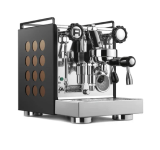
Classika PID is a semi-automatic single-boiler machine widely available for home use, demonstrating how accessible single-boiler setups can be.
Dual boiler machines, by contrast, typically sit well above entry‑level pricing because you're essentially paying for two dedicated temperature systems and greater hardware precision:
R58 Cinquantotto falls within a common dual-boiler price point for consumer prosumer units.
Other dual-boiler espresso machine options often span the premium home and commercial segments due to their added performance components and build quality.
Heat exchanger machines fall into the mid-range.
What this means: Dual-boiler machines tend to cost more upfront because they feature two independent temperature systems, enhancing workflow, reliability, and control. This is a structural and manufacturing reality rather than a marketing claim.
According to boiler system design principles used across espresso machines:
Single-boiler systems heat one chamber for both espresso and steam, which means they consume less continuous energy at idle because there's only one element to maintain.
Heat exchanger machines use moderate energy
Dual boiler systems keep two heaters active, meaning energy draw is higher if both boilers are maintained at operating temperature for long periods.
Operational takeaway: If you leave a machine powered on all day, a dual-boiler system generally uses more energy in both standby and active modes, simply because there's more hardware to keep hot.
A dual boiler's cost premium shows up in performance:
Dual boiler systems enable simultaneous brewing and steaming. It is a direct result of having separate boilers optimized for their distinct temperature roles without switching modes.
Single-boiler machines must heat and cool the same chamber between functions, resulting in workflow interruptions and temperature swings that are inherent to the design.
This performance trade‑off is not just theoretical. Modern dual-boiler designs, such as those found in café mains, exist precisely to eliminate these delays and improve consistency.
Industry experience suggests that:
Single boiler systems are mechanically simpler and often easier and cheaper to service because there's only one boiler, one heating circuit, and fewer control elements to diagnose.
Dual boiler machines have more components, meaning more parts to clean, adjust, and potentially replace over time, especially if both boilers are used frequently. Consistent descaling and water quality management remain essential for both types.
Long‑term value lives in consistency and serviceability. Dual boilers typically deliver more consistent extraction when properly maintained, but they require closer attention to water quality and regular descaling over time to maintain performance.
Suggested Read: Top 10 High-End Espresso Machines: A Comparison
Now, it's time to help you decide which system is right for you.
Your choice should depend on factors such as how often you brew, the types of drinks you make, and how much space and energy you're willing to dedicate to your coffee setup.
You're a Casual Home Brewer:
If you typically brew 1–2 drinks a day and don't mind waiting a bit between brewing espresso and steaming milk, a single-boiler espresso machine is a great choice.
You Have Limited Counter Space:
Single-boiler machines are generally more compact than their dual-boiler counterparts. This is particularly useful for people who live in apartments or have smaller kitchen setups.
You're on a Budget:
Single-boiler machines are significantly more affordable. If you're just starting your coffee journey or brewing espresso is a casual hobby, investing in a dual boiler system may not be necessary.
You want simultaneous brewing and steaming:
Heat exchanger machines keep the boiler at steam temperature while brew water passes through a heat exchange tube. This allows you to pull espresso and steam milk at the same time without waiting between tasks.
You make milk drinks frequently:
If your routine includes lattes, cappuccinos, or flat whites, HX machines provide stronger steam power and a faster workflow than single-boiler systems.
You want café-style workflow without dual-boiler cost:
Heat exchanger machines deliver many of the workflow advantages of dual-boiler setups, including faster drink preparation, but typically come at a lower price point.
You Brew Espresso and Milk Drinks Frequently:
If you regularly make lattes, cappuccinos, or flat whites and need to steam milk consistently, a dual boiler espresso machine will streamline your workflow.
You Make Multiple Drinks at Once:
For those who entertain guests or brew several drinks back-to-back, dual boiler systems excel at speeding up the process. It's ideal for high-volume households or small cafes.
You Want Consistency and Precision:
Dual-boiler machines are built for those who demand consistency in every shot. With independent temperature control for both brewing and steaming, dual-boiler systems ensure your espresso shots remain consistent, even when you're making multiple drinks.
You Need Faster Workflow:
In environments like cafes or households with multiple coffee drinkers, dual boilers significantly speed up the coffee-making process. You'll be able to serve more drinks in less time, which improves overall efficiency.
Ultimately, the choice between a single-boiler and a dual-boiler system comes down to how often you brew, what types of drinks you make, and how much time you want to dedicate to your coffee routine.
The art of espresso is all about choosing the right equipment, including the right boiler system. The decision between a single- and a dual-boiler espresso machine can significantly impact your workflow and shot quality.
For home baristas seeking simplicity, single-boiler machines offer a compact, energy-efficient option at a manageable price. On the other hand, dual-boiler systems offer unmatched speed, precision, and consistency. No matter which system you choose, the right equipment is essential for dialing in that café-quality shot.
At Pro Coffee Gear, we offer a wide range of premium espresso machines and accessories, from single-boiler setups for home enthusiasts to dual-boiler systems for the professional barista. Explore a curated collection of machines and start brewing like a pro, no matter your setup.
Dual-boiler machines may take slightly longer to reach full operating temperature because each boiler must reach its ideal range for brewing and steaming. But once up to temp, they stay stable for longer without cycling.
Yes. Many dual-boiler espresso machines allow you to set different temperatures for the brew and steam sides, giving you greater control over extraction and milk texture.
Generally, single-boiler machines use less energy in standby because there's only one heating element to maintain, but actual usage depends on how long the machine stays powered on and how often you brew.
A dual-boiler machine isn't necessarily harder to clean, but because it has more components to service (two boilers, valves, and often PID controls), routine maintenance such as descaling and gasket checks can take slightly longer than with simpler single-boiler units.
Yes. A single boiler can produce excellent espresso; however, it may struggle with temperature stability and simultaneous steaming compared to a dual boiler, which tends to yield more consistent results when making multiple drinks.
Heat exchanger machines allow simultaneous brewing and steaming, making them faster than single boiler systems. However, they typically require a cooling flush to stabilize brew temperature before pulling a shot.
Our team can help you find the best fit based on your space, volume, and budget.
Talk to a Specialist

