


Mahlkonig EK43 vs EK43S: Which Grinder Should You Buy? (2026)
|
|
Time to read 7 min
Your Cart
Your cart
Favorites





Shop by Brands

Shop by Brands
Shop by Brands


Shop by Brands


Shop by Brands
Shop by Brands
|
|
Time to read 7 min
Our pick for most cafes and countertops: the Mahlkonig EK43S. It runs the same iconic 98mm burrs as the original, but in a shorter body that fits under standard cabinets, with a larger hopper and a slower, more controlled grind that suits espresso work.
The Mahlkonig EK43 is still the throughput king. Choose it if you batch grind filter coffee at volume and want to move as much coffee as possible per second.
Both grind to the same legendary quality. The difference is speed and footprint, not flavor.
|
Mahlkonig EK43 |
Mahlkonig EK43S |
|
|
Our rating |
4.6 / 5 |
4.7 / 5 |
|
Best for |
High volume filter and batch grinding |
Cafe espresso and tighter counters |
|
Key difference |
Faster grind, 19-21 g/s, taller body |
Slower controlled grind, 10-12 g/s, shorter body |
Customers rate both grinders 4.8 out of 5 across 36 reviews.
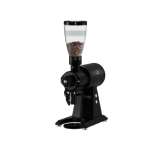
The Mahlkonig EK43 is arguably the most famous flat burr grinder in specialty coffee. Its 98mm cast steel burrs and wide, even particle spread made it a fixture on the best filter bars and brew stations in the world.
The EK43S is the same grinder reworked for a different job. Mahlkonig kept the burrs and the grind character, then shortened the body and geared it toward espresso and busy cafe counters.
So the real question is not which grinder is better in the cup, because that is essentially a tie. It is which format fits your space, your workflow and the volume you actually pull each day.

Both grinders share their heart: the same 98mm flat steel burrs, the same burr speed and the same certifications. The differences come down to grind speed, height, hopper size and a small change in weight.
|
What matters |
Mahlkonig EK43 |
Mahlkonig EK43S |
|
Burrs |
98mm flat cast steel |
98mm flat cast steel |
|
Grinding capacity |
19-21 g/s (faster) |
10-12 g/s (more controlled) |
|
Height |
32.6 in (taller) |
28.8 in (fits under cabinets) |
|
Bean hopper |
1.1 lbs |
1.7 lbs (larger) |
|
Weight |
57 lbs |
54 lbs |
These specs are pulled from the live Pro Coffee Gear product pages for each grinder. Side by side the sheets are close, which is the point: the EK43S is a reformat of the EK43, not a different grinder.
|
Specification |
Mahlkonig EK43 |
Mahlkonig EK43S |
|
Manufacturer |
Mahlkonig |
Mahlkonig |
|
Burr type |
Steel flat |
Steel flat |
|
Burr diameter |
98 mm |
98 mm |
|
Burr speed |
1450 rpm (50 Hz), 1760 rpm (60 Hz) |
1450 rpm (50 Hz), 1760 rpm (60 Hz) |
|
Coffee bean hopper |
1.1 lbs |
1.7 lbs |
|
Grinding capacity |
19-21 g/s |
10-12 g/s |
|
Width |
9.0 in |
9.05 in |
|
Depth |
16.1 in |
16.1 in |
|
Height |
32.6 in |
28.8 in |
|
Voltage |
110-120 V |
100-120 V |
|
Weight |
57 lbs |
54.01 lbs |
|
Certification |
IEC/EN, ANSI/UL 763, CSA, CE, CB, ETL Safety, ETL Sanitation |
IEC/EN, ANSI/UL 763, CSA, CE, CB, ETL Safety, ETL Sanitation |
Winner: tie. This is where the two grinders are identical. Both use the same 98mm premium cast steel flat burrs turning at the same speed, so the grind particle spread that made the EK43 famous is present in both.
Both are built like industrial tools, heavy and stable, with the same commercial certifications for safety and sanitation. The EK43 is a touch heavier at 57 lbs versus 54 lbs, mostly down to its taller frame.
If your decision is about grind quality alone, you can stop here. Neither grinder gives anything up to the other in the cup.
Winner: depends on the job, EK43 for raw speed. Because the burrs are the same, both produce the same clean, high extraction grind for filter, espresso or even Turkish fine.
The gap is throughput. The EK43 grinds at roughly 19 to 21 grams per second, while the EK43S runs at about 10 to 12 grams per second.
That faster EK43 rate is a real advantage for batch brew and high volume filter service. The slower EK43S rate is not a weakness for espresso, where a more measured grind is easier to dose accurately shot by shot.
Winner: Mahlkonig EK43S. This is the reason the EK43S exists. At 28.8 inches tall it slips under most standard cabinets and shelving, while the 32.6 inch EK43 often needs an open station or a lowered counter.
The EK43S also carries a larger 1.7 lb hopper against the EK43's 1.1 lb hopper, so it holds more beans between refills on a busy bar. Its slower grind speed makes single dosing and espresso adjustments feel more controlled.
The EK43 is the smoother fit when it lives at a dedicated filter or production station where height is not an issue and speed is the priority.
Winner: tie, pick by use case. The two sit in the same class and share the same burrs, motor character and build, so you are not paying for a better grind with either one.
The EK43S earns its value on cafe counters through its shorter body, larger hopper and espresso friendly grind speed. The EK43 earns its value wherever raw grinding throughput saves you time across the day.
Neither is the wrong buy. The better value is simply the one that matches the way you work.
The Mahlkonig EK43 suits high volume filter and batch operations. If you grind large doses back to back for pour over, batch brew or wholesale prep, its 19 to 21 g/s speed moves coffee faster than almost anything in its class, and its taller frame is no issue at a dedicated station.
The Mahlkonig EK43S suits cafes and espresso focused setups with limited height. Its 28.8 inch body fits under standard cabinets, its larger hopper cuts down refills, and its more controlled grind speed makes dialing in espresso and single dosing easy shot after shot.
Both grinders share the same world class burrs. The right pick depends on your space and the volume you pull.
Best for high volume filter and batch brew: Mahlkonig EK43. Its faster 19-21 g/s grind speed keeps a busy brew bar moving.
Best for cafe espresso: Mahlkonig EK43S. A more controlled grind speed makes dosing and dialing in espresso simple and repeatable.
Best for tight or cabinet-height counters: Mahlkonig EK43S. At 28.8 inches tall it fits where the taller EK43 will not.
Best for fewer refills on a busy bar: Mahlkonig EK43S. The larger 1.7 lb hopper holds more beans between top ups.
Best for a dedicated production or filter station: Mahlkonig EK43. With height to spare, its throughput is the deciding advantage.
If you are cross shopping the EK43 line against other Mahlkonig grinders, remember these two already sit near the top of the flat burr world. The EK43 platform is the benchmark other grinders are measured against.
Whether you need the tallest throughput monster or a compact espresso workhorse, both share the same burrs, so you are choosing format, not flavor. You can compare the full lineup in our Mahlkonig grinders collection.
The Mahlkonig EK43 and the Mahlkonig EK43S are both in stock now, and you can see current pricing and the wider range in our Mahlkonig grinders collection.
Every commercial grinder from Pro Coffee Gear ships with free US shipping, full manufacturer warranty and lifetime Pro support for setup, dialing in and troubleshooting.
Free shipping within the contiguous US
Full manufacturer warranty on both grinders
Lifetime Pro support: setup, dialing in and advice
The Mahlkonig EK43 and EK43S are, at heart, the same legendary grinder. Same 98mm burrs, same grind quality, same rugged build.
For most cafes and most counters, the EK43S is the smarter buy: it fits under standard cabinets, holds more beans and grinds at a speed that suits espresso work. The EK43 is the one to pick when you batch grind filter at volume and want maximum throughput at a dedicated station.
Still not sure which format fits your bar? Call our team or book a consultation and we will help you choose the right EK43 for your space and volume.
They use the exact same 98mm flat steel burrs, so grind quality is essentially identical. The EK43S is shorter at 28.8 inches so it fits under cabinets, carries a larger hopper and grinds more slowly at 10-12 g/s, while the taller EK43 grinds faster at 19-21 g/s for high volume work.
No. The slower grind speed comes from the machine setup, not the burrs, which are the same on both. For espresso the more measured 10-12 g/s rate actually makes dosing and dialing in easier, so you lose no quality by choosing the EK43S.
For most cafes, especially espresso focused ones with cabinet-height counters, the EK43S is the better fit thanks to its shorter body, bigger hopper and controlled grind. For a dedicated filter or batch brew station with plenty of height, the faster EK43 moves more coffee per second.
Yes. Both are versatile enough for filter, espresso and even Turkish fine grinding, because they share the same burr set and adjustment range. The EK43 leans toward high volume filter, while the EK43S leans toward espresso, but either can do both.
Largely yes. Both share the same 98mm burrs and the same commercial certifications, so consumables like burrs and general upkeep are very similar. Our team can help you source parts and keep either grinder dialed in for the life of the machine.
Our team can help you find the best fit based on your space, volume, and budget.
Talk to a Specialist

