


Mahlkönig Guatemala Grinder Review: Commercial and Home Use Insights
|
|
Time to read 10 min
Your Cart
Your cart
Favorites





Shop by Brands

Shop by Brands
Shop by Brands


Shop by Brands


Shop by Brands
Shop by Brands

|
|
Time to read 10 min
Many coffee lovers reach a moment where they wonder if their current setup can deliver the kind of flavor they keep chasing. A grinder might look simple from the outside, yet its internal parts shape how each batch of beans responds.
When exploring a Guatemala Grinder Review, one question often pops up: how does a machine designed for busy counters also fit into a personal setup at home? Details like burr size, hopper design, or motor strength may seem small, but they guide how smoothly your daily workflow runs.
This blog breaks down the Guatemala Grinder Review in a way that helps you see where it fits in your routine, whether you prepare a few cups a day or serve customers nonstop. Let’s take a closer look.
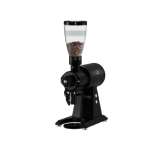
The Guatemala Grinder Review highlights its 71 mm flat burrs for steady grinding and smooth workflow.
Medium-capacity hopper supports repeated batches without frequent refills for home or small café use.
Adjustable settings in this grinder make it versatile for multiple brewing methods.
Backed by a 12-month parts warranty, the grinder offers reliable support for long-term use.
Suitable for both home baristas and small commercial setups.
The Guatemala Grinder Review often begins with a simple observation: some grinders are built to handle steady movement throughout the day, while others focus on controlled, predictable output for smaller routines. This model sits in an interesting middle ground where shops, labs, and home users can all find a purpose for it.

Before moving toward the detailed specifications, here is a breakdown of what shapes its identity and who typically chooses it.
Long-standing expertise: Mahlkönig has produced grinders for decades, giving this model a background rooted in steady technical refinement that serves different types of workflows.
Product philosophy: The Guatemala line is shaped around controlled grinding behavior and predictable output rather than flashy features, making it suitable for users who value structured routines.
Home setups: Ideal for those who prepare multiple cups daily and want a grinder that responds well to frequent adjustments without slowing their routine.
Shops and counters: Fits into spaces where repeated batches are needed through long hours without demanding complicated handling from the user.
Testing environments: Works well in labs or training spaces where repeatable steps help compare beans, roast levels, or brewing methods efficiently.
Also Read: Eureka Atom W 65 Coffee Grinder Review
With a clear understanding of what the Guatemala Grinder is and who it serves, let’s explore its key specifications and how they impact everyday use.
A Guatemala Grinder Review becomes clearer once you look at how each technical detail affects day-to-day handling. These specs show how the grinder responds when preparing frequent batches, adjusting settings, or working within tight spaces.
Below is a closer look at each major specification and how it shapes practical usage.
Large surface area: The 71 mm burrs cover more bean contact at once, which supports faster grinding behavior in medium to high workloads.
Flat geometry effect: The flat layout helps beans travel through a steady path, giving you predictable results when switching between batches.
High-volume loading: The hopper holds around 900 g of beans, helping you reduce refill interruptions during long preparation cycles.
Output rate: With a range of 13 to 15 g per second, depending on grind size, it supports quick grinding sessions when you need repeated doses through the day.
Motor power: The 1100 W motor paired with 100 to 127 V offers sufficient push for daily usage without slowing under typical workloads.
Size and footprint: Measuring about 8.6 by 12.9 by 24.4 inches, it fits into medium spaces where vertical height is available.
Flow-through path: The vertical layout encourages beans to move smoothly downward, limiting leftover grounds inside the chamber after each use.
Suitable workload range: The medium-capacity build is ideal for users who prefer steady grinding across the day rather than short, occasional bursts.
Now that we’ve covered the grinder’s key specifications, let’s look at the features that make the Guatemala Grinder particularly effective in daily use.
Users who handle different bean types or prepare several servings in a row usually look for equipment that responds predictably without slowing them down.
Here is a simple breakdown of the features that add practical value.
Vertical flow movement: The design guides beans in a straight route, which reduces leftover grounds after each run.
Clear particle output: Its burr and chamber structure support a steady flow, helping maintain similar results across repeated doses.
Adaptable routine handling: It works well whether you prepare multiple servings during busy hours or smaller batches at home.
Flexible adjustment range: The grind controls respond well to different brewing styles, giving users the freedom to switch methods smoothly.
Solid exterior design: The aluminum body gives a firm structure that holds up well against long hours of operation.
Stable placement: Its weight and frame help it stay planted on counters, which is helpful when dialing in different settings.
Cup and bag options: The adjustable table makes it simple to switch between takeaway bags or small containers without changing your workflow.
Better height control: Users can align the container with the spout more comfortably, reducing spills and allowing smoother dosing.
Having examined the strengths of the Guatemala Grinder, it’s important to see how these features translate into practical use across different settings and users.
Some prepare coffee throughout the day, while others make quick batches during busy moments. This grinder supports a steady pace that fits into a range of environments, from personal setups to counters that handle frequent movement.

Here are several situations where this grinder becomes a practical fit.
Busy home routines: Works well for households that prepare multiple cups each morning and need quick grinding without interruptions.
Shops with steady customer flow: Suitable for counters that require constant grinding through service hours without slowing down.
Training spaces: Helpful in environments where users compare different beans or brewing styles and require a predictable grinder response.
Shared office areas: Fits into workplace settings where several people brew coffee throughout the day and need a grinder that keeps up.
Weekend batch brewers: Supports users who prepare larger amounts of coffee during gatherings or family events.
Experiment-focused brewers: Good for those who change settings frequently to explore different flavors and roast levels.
While the Guatemala Grinder fits many routines effectively, it’s also important to understand its limitations and what buyers should consider before making a purchase.
Even premium grinders have their boundaries, and understanding these upfront helps you decide whether the Mahlkönig Guatemala truly fits your workflow. Instead of viewing them as drawbacks, think of them as realistic expectations, each with a practical workaround.
Below are the key considerations along with ways to overcome them:
Not ideal for ultra-high-volume shops: Best suited for steady commercial use rather than nonstop rush-hour demand.
Solution: Pair it with a second grinder for peak periods or reserve it for specific brew methods like batch brew or cupping.
Adjustment learning curve: Switching between grind settings requires some familiarity, especially for new users.
Solution: Mark your frequent settings using removable tape or labels to speed up adjustments.
Burr access requires careful handling: Internal cleaning takes patience, especially if you’re new to maintaining flat-burr grinders.
Solution: Use a soft brush and follow a scheduled cleaning routine to make the process predictable and safer.
Footprint may feel large for small kitchens: Its tall structure might feel oversized in tight home setups.
Solution: Place it on a dedicated cart or a side counter to free up your primary workspace.
Noise level noticeable in quiet spaces: While normal for a 71 mm commercial grinder, it can stand out in silent home environments.
Solution: Position it on a noise-dampening mat to reduce vibration and perceived loudness.
Not suited for constant fine-tuning: Those who change grind sizes multiple times per session may find the workflow slower than stepless espresso grinders.
Solution: Use it primarily for consistent brew sizes like pour-over or batch brew, where adjustments are less frequent.
Also Read: French Press vs. Espresso: Differences in Coffee Making
After understanding the potential limitations, it’s essential to review the warranty and return policies to know what support and protections are available.
Before investing in a commercial-grade grinder like the Mahlkönig Guatemala, it’s essential to know what kind of support, protection, and flexibility you’ll have after purchase. Understanding the warranty terms and return policies helps prevent surprises later and ensures you know exactly what’s covered if something goes wrong.

Here’s a quick breakdown of the key points:
12-month parts warranty included: Covers defective parts that may fail under regular use. This gives buyers peace of mind knowing unexpected part failures won’t become out-of-pocket expenses.
30-day return window: Buyers can return the grinder within 30 days of receiving it. This allows enough time to test the grinder in real workflow conditions.
20% restocking fee for returns: Applied to grinders and similar equipment to cover inspection and setup costs. To avoid this fee, ensure the grinder matches your needs before ordering.
Buyer covers return shipping: Returned units must be shipped back in proper condition to the Austin, Texas, facility. Using the original packaging helps protect the machine and prevent additional deductions.
Must be returned in original condition: Any damage, missing parts, or wear can lead to added fees. Carefully repack the grinder and keep all accessories to ensure a smooth return.
Support available during ownership: Lifetime Pro Support helps troubleshoot questions even after the warranty window ends. This ensures ongoing help with setup, calibration, and basic maintenance.
With the warranty and support details in mind, here are some practical tips to help you get the most out of your Guatemala Grinder in daily use.
Instead of the usual practical cleaning tips, this section focuses on broader usage habits that shape long-term performance and allow the grinder to settle into your routine smoothly.
Below are a few simple yet effective ways to keep your workflow steady and predictable:
Plan a steady grinding rhythm: Keeping a consistent pace during service helps the grinder maintain output without sudden temperature spikes or stalls, especially during busy hours.
Store beans in stable conditions: Beans react to light, heat, and air, so storing them well ensures the grinder receives beans that behave predictably during grinding.
Adjust only when necessary: Small dial changes made too frequently can disrupt your workflow; focusing on measured changes helps you control results more easily.
Warm up before key brews: Running a quick test dose before important batches sets baseline performance and helps you gauge if conditions shifted.
Use the grinder’s height wisely: Positioning containers or bags at the right height reduces spills, speeds workflow, and keeps the station comfortable over longer sessions.
Keep an eye on environmental shifts: Temperature or humidity changes can influence how beans move through the grinder, so tracking those patterns helps you maintain steadier results.
After exploring practical tips and usage strategies, let’s wrap up with a conclusion summarizing why the Guatemala Grinder is a valuable choice for home and café settings.
The Mahlkönig Guatemala Grinder combines thoughtful engineering and practical design to serve both home baristas and small cafés efficiently. With 71 mm flat burrs, a medium-capacity hopper, and versatile settings, it handles daily grinding for multiple brewing methods, backed by a 12-month warranty and Pro Coffee Gear support.
For tools, accessories, and parts that support professional coffee workflows, Pro Coffee Gear offers a curated collection built for durability and performance. If you’re ready to upgrade your coffee preparation and bring café-level grinding to your home or shop, check out the Mahlkönig Guatemala Grinder today.
Yes, the grinder handles single-origin beans well, allowing users to explore nuanced flavor profiles. Adjusting the grind settings can help highlight the unique characteristics of each roast. Regular cleaning ensures optimal performance with different bean types.
The grinder can produce coarser settings suitable for cold brew, though users may need to experiment with grind size for best extraction. Its medium-capacity hopper makes larger cold brew batches manageable.
Burr replacement depends on the frequency of use and the type of beans ground, but typical wear occurs over several years of regular use. Monitoring grind quality helps determine the right time to replace burrs.
Yes, it operates on 100–127 V, 1100 W. Ensuring proper voltage and a stable outlet prevents motor strain and maintains consistent grinding performance.
Calibration is straightforward thanks to adjustable settings that allow quick switching between fine and coarse grinds. Users can match grind size to espresso, pour-over, or batch brewing with minimal effort.
Our team can help you find the best fit based on your space, volume, and budget.
Talk to a Specialist

