


Flat Burr Grinder for Pour Over: Why Grind Consistency Shapes Flavor
|
|
Time to read 9 min
Your Cart
Your cart
Favorites





Shop by Brands

Shop by Brands
Shop by Brands


Shop by Brands


Shop by Brands
Shop by Brands
|
|
Time to read 9 min
When it comes to brewing a standout pour-over, every variable counts, but none quite as much as the grind itself. In fact, research shows that variations in particle size distribution significantly affect extraction uniformity, which in turn impacts flavor clarity, sweetness, and balance.
That’s why when we talk about the ideal tool for pour-over, we keep coming back to the flat burr coffee grinders. Choosing a flat burr grinder for pour over isn’t just a preference; it’s a decision that directly shapes the cup you serve.
In this post, we’ll uncover why grind consistency defines pour-over flavor, how flat burrs deliver it, and what to consider when choosing your grinder.
Flat burr grinders = flavor clarity, balance, and consistent extraction.
More uniform particles than blade or conical burr grinders → cleaner, more complex cups.
Consistency gives you predictable sweetness, acidity, and body.
Top picks for 2026: Fellow Ode Gen 2, DF64P, Eureka Mignon Turbo.
What to look for: large burrs, stepless adjustment, low retention, low-heat motor.
Clean regularly to maintain peak performance.
Fresh beans deserve a fresh grind.
Ever wondered why two seemingly identical beans brewed through the same pour‐over setup can taste wildly different? The secret often lies not in the beans, the water, or even your technique, but in the tiny, invisible world of ground coffee particles. At Pro Coffee Gear, we call this the “micrometric battleground” where flavor is won or lost.
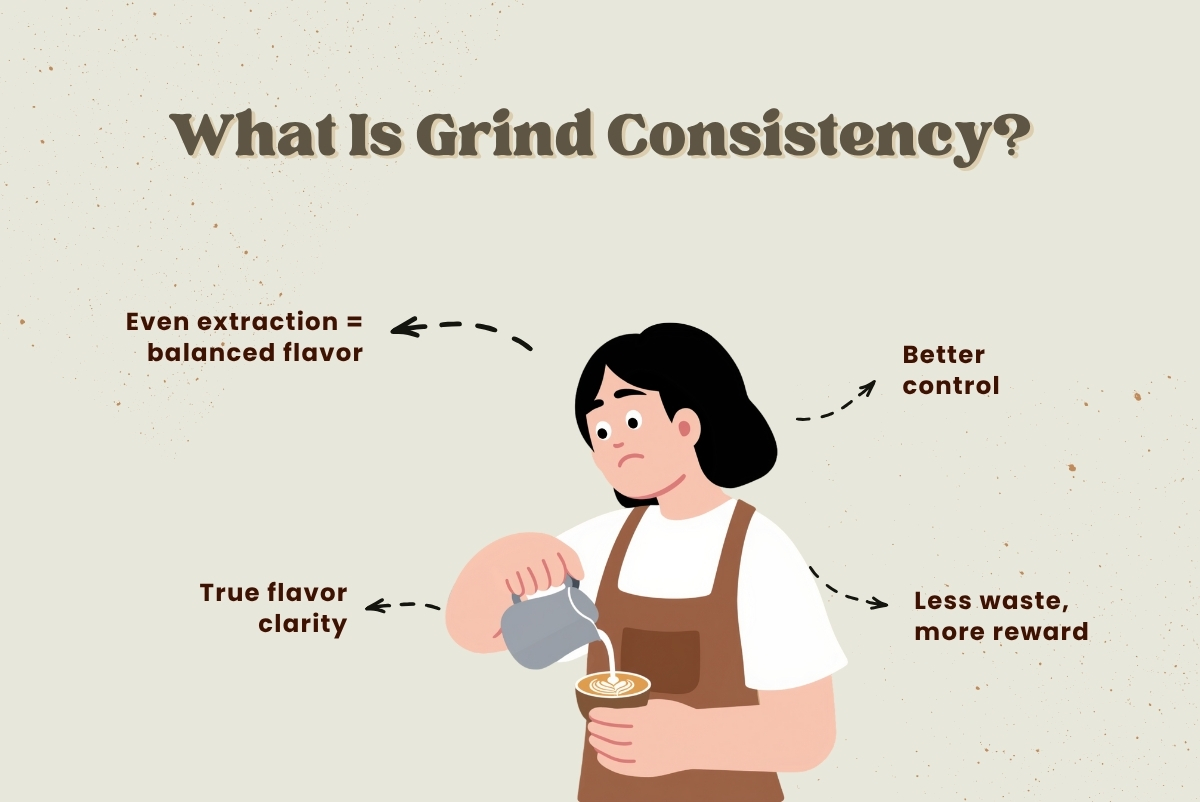
One study states: “Inconsistent grinds lead directly to uneven extraction, resulting in undesirable bitterness or sourness and unpredictable brews.”
In simple terms, it means every coffee particle is ground to nearly the same size, no oversized chunks stealing sweetness, no fine dust over-extracting into bitterness. When each grain of coffee extracts evenly, the flavors balance, the body smooths out, and the cup tastes exactly as your beans intended.
Here’s why that consistency matters so much for pour-over:
Extract evenly for a balanced flavor.
Control each brew with predictable results.
Reveal true clarity and natural tasting notes.
Maximize every gram for full flavor efficiency.
So, if consistency is the secret sauce, the next question is obvious: which grinder actually delivers it? That’s where the flat vs. conical burr debate kicks in.
The coffee world is split between two titans: flat burrs and conical burrs. Both crush beans into uniform particles, but they do it in completely different ways, and those differences shape everything from flavor clarity to aroma intensity.
Before you decide which one deserves a spot on your counter, here’s a clear side-by-side look at how they compare in performance, flavor output, and overall experience:
|
Feature |
Flat Burr Grinder |
Conical Burr Grinder |
|
Grind Uniformity |
Extremely consistent, produces even particle size, ideal for pour-over and espresso. |
Slightly more variance in grind size, which can create subtle flavor complexity but less clarity. |
|
Flavor Profile |
Brighter, cleaner cup with distinct flavor separation—perfect for highlighting single-origin beans. |
Fuller, rounder body with blended notes—great for darker roasts and immersion brews. |
|
Extraction Control |
High precision—small adjustments lead to predictable changes in extraction. |
More forgiving—slight inconsistencies don’t drastically affect the final cup. |
|
Heat Generation |
Can build more heat at higher RPMs; premium models manage this with better burr materials and motors. |
Lower RPM reduces heat buildup, helping preserve delicate aromas. |
|
Retention (Leftover Grounds) |
Typically lower retention in high-end designs, especially with vertical burr alignment. |
Slightly higher retention due to burr geometry—can hold fine coffee particles between the cone and walls. |
|
Noise Level |
Usually louder because of higher motor speed. |
Quieter operation thanks to slower, gravity-assisted feed. |
|
Maintenance & Cleaning |
Easier to clean flat burrs due to straightforward design. |
A bit trickier—coffee can get trapped in the burr cone. |
|
Price Range |
Often more expensive due to engineering precision and burr |
|
Pro Coffee Gear Insight: Flat burr grinders consistently produce the cleanest, most transparent flavor for pour-over, letting the origin character truly shine.
Also Read: Stepped vs. Stepless Coffee Grinders Explained
It’s not just about grinding coffee; it’s about shaping the way your cup tastes, one uniform particle at a time.
So, you’re convinced, flat burrs are where precision lives. But not all flat burr grinders are created equal. The difference between a decent grind and a flawless one comes down to the details: the engineering, materials, and thoughtful features that separate true performance from marketing fluff.
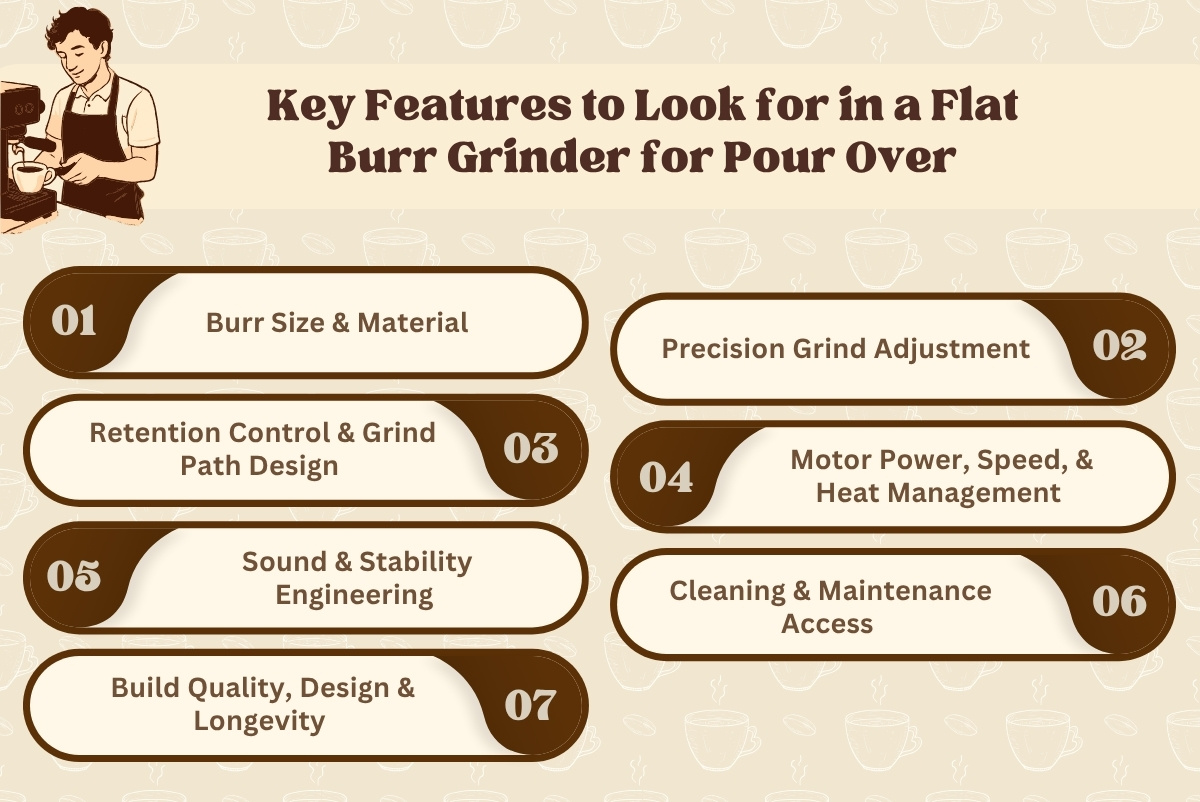
Let’s look at the key features that matter most when choosing a flat burr grinder for pour over:
Think of burrs as the engine of your grinder. Larger burrs (around 64 mm or more) don’t just look impressive; they create a more uniform grind because they spin slower while cutting more efficiently.
Insight: Titanium-coated burrs hold their edge longer and preserve flavor clarity over hundreds of cycles, perfect if you brew daily.
Fine-tuning grind size is like tuning a guitar; small shifts change the entire performance. Stepless or micrometric adjustment lets you dial in extraction flow with surgical accuracy.
For pour-over, that precision can be the difference between a dull cup and one that pops with layered flavor.
Insight: Adjustments that feel firm and exact—no wobble or guesswork between clicks.
Every gram that sticks in the chute or burr chamber becomes stale coffee the next day. A smart design reduces retention by keeping the grind path straight and minimizing static buildup.
Insight: Stale grounds can dull sweetness and add harsh, papery notes, especially noticeable in lighter pour-over roasts.
More RPM isn’t always better. The goal is torque, not speed. Powerful motors that spin at moderate RPMs grind smoothly without overheating the beans. Heat changes how oils and aromatics behave, which can flatten flavor complexity.
Insight: Some high-end grinders use direct-drive motors for quieter, cooler operation and more stable burr alignment.
Cheap grinders rattle; great grinders hum. Noise isn’t just about comfort, it hints at build quality. Rigid burr alignment and vibration damping mean your grind size stays consistent even at higher loads.
Oils from coffee beans can cling to burrs and alter the taste over time. Easy-access burr chambers (magnetic lids or quick-release screws) make cleaning a one-minute job instead of a weekend chore.
Insight: Brush out the burrs every few days and do a deep clean once a month for consistent flavor.
Pro Coffee Gear Tip: When we test grinders, we look for those that make precision effortless, machines that feel engineered, not overdesigned. Because when the build and burrs are right, consistency becomes second nature.
Also Read: Important Features to Consider When Buying an Espresso Machine
Once you know what to look for, the specs start to tell a story. Some grinders hit all the right notes while others fall short where it counts. The good news? You don’t have to guess.
We’ve tested and researched some of the most talked-about models on the market, and a few stand out for their precision, design, and real-world performance.
The pour-over scene in 2026 is more competitive than ever, and so is the gear behind it. Flat burr grinders have evolved fast, but only a handful truly deliver that flawless, café-level consistency at home. Instead of drowning you in specs, we’ve zeroed in on the grinders that actually perform.
These are the flat burr grinders worth your counter space this year.
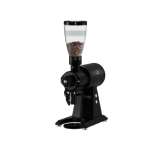
Built for professionals but loved by perfectionists, the Compak PK 100 takes pour-over grinding to a level few machines reach. Its massive burrs and ultra-smooth workflow make every grind feel effortless, and every cup taste intentional.
Best Suited For:
Cafés or serious home brewers who demand commercial-grade consistency and clarity from every pour-over.
Why It Stands Out:
Those 98 mm burrs aren’t just big, they’re balanced. The slower rotation means your grounds stay cool, giving you cleaner, sweeter brews with remarkable clarity. It’s the kind of grinder that rewards patience with flavor depth.
Key Features:
Burr Type: 98 mm flat burrs (steel or titanium-coated options)
Speed: 900 RPM — low-speed, high-torque motor to reduce heat and preserve flavor
Grind Adjustment: Stepless micrometric for ultimate control
Grind Retention: Near zero — ideal for single dosing
Cooling System: Dual ventilation for consistent temperature
Build Quality: Solid aluminum body, digital display, precision dosing
A grinder with café-grade engineering, built for home use: smooth, powerful, and precision-focused. That’s the X54.
Best Suited For:
Home baristas who switch between pour-over and other brew methods, who value one grinder that does it all without compromise, are ideal for anyone wanting café-level uniformity at home.
Why It Stands Out:
The X54 delivers uniform grind size with 54 mm burrs and stepless adjustment for precise pour-over tuning, high-end engineering made simple.
Key Features:
Grind Range: Stepless adjustment spanning fine espresso through coarse filter (approx 200-1,000 µm).
Dosing & Interface: LED display with multiple programmable presets; can switch between portafilter and dosing cup.
Build Quality: Metal housing, solid construction, low retention (~0.2g reported in review).
Step into a world where commercial performance meets home convenience. The Eureka Atom Excellence 75 brings the big-league burrs and controls to your pour-over setup.
Best Suited For:
Home baristas and boutique setups who want a grinder built to handle serious volume and precision, especially when you’re brewing for more than just one cup at a time.
Why It Stands Out:
With those 75 mm burrs and ultra-steady motor, this grinder delivers uniform grind size with real speed, meaning your pour-over grounds are consistent shot after shot.
Key Features:
Stepless micrometric adjustment for precision grind setting.
Silent technology casing to reduce noise in your brewing space.
High throughput: approx 5–5.5 g/s grinding capacity.
If you value freshness, minimal retention, and the flexibility to switch between multiple brew styles, the X64 SD is built for your workflow.
Best Suited For:
Enthusiast home brewers who experiment with different beans and brew methods, and anyone who demands the freshest grounds every time.
Why It Stands Out:
Single-dose workflow and large burrs deliver pro-level uniformity with minimal waste. Easy method switching and low retention keep flavors clean and precise.
Key Features:
Speed: Up to around 1,950 RPM, with grinding speeds of about 3–6 g/s.
Zero-retention / single-dose design — ensures each batch is fresh.
Broad grind range: from fine espresso to coarse pour-over or cold brew.
Quiet operation and sleek metal housing, compact footprint.
Choosing the right grinder isn’t about chasing hype; it’s about matching performance to purpose. At Pro Coffee Gear, we believe great coffee starts with precision, and that’s why every grinder we feature is tested, vetted, and selected for one goal: helping you brew coffee that tastes exactly as it should.
A flat burr grinder for pour over isn’t just equipment, it’s the foundation of flavor. Whether you’re brewing a single-origin Ethiopian or an everyday house blend, consistency gives you control, and that control builds confidence in every cup.
Ready to elevate your ritual? Explore our tested flat burr grinders at Pro Coffee Gear.
Brush your flat burr grinder every few days and deep-clean monthly. Coffee oils and fine dust build up fast, muting clarity and consistency. Regular cleaning keeps every cup tasting fresh.
Set your flat burr grinder to a medium grind: finer than sea salt, coarser than espresso. Adjust for balanced extraction: sour? Go finer. bitter? Go coarser. Aim for steady flow and consistency across brewers (V60, Chemex, Kalita, etc.).
Yes, a high-quality flat burr grinder can also handle espresso if it offers a wide adjustment range. However, since espresso requires extremely fine and precise calibration, we suggest using a dual-purpose model like the DF64P if you plan to brew both styles regularly.
A flat burr grinder crushes beans evenly between two burrs, while a blade grinder chops them unevenly. That uneven grind causes over- and under-extraction in the same brew, leading to muddy flavors.
Absolutely. Even the best pre-ground coffee loses flavor fast once exposed to air. Using a flat burr grinder ensures you’re grinding fresh beans right before brewing, preserving the volatile aromas and oils that define specialty coffee flavor. Freshness is the difference between a cup that’s good and one that’s memorable.
Our team can help you find the best fit based on your space, volume, and budget.
Talk to a Specialist

