


Bottomless Portafilter Channeling: Causes, Effects, and How to Fix It
|
|
Time to read 10 min
Your Cart
Your cart
Favorites





Shop by Brands

Shop by Brands
Shop by Brands


Shop by Brands


Shop by Brands
Shop by Brands

|
|
Time to read 10 min
Inconsistent espresso shots cost you money. Every dumped drink, every customer complaint, and every minute your baristas spend troubleshooting extraction problems cuts into your profits.
If your team is struggling with shot consistency, channeling is likely the hidden issue. With traditional spouted portafilters, it's invisible, hiding behind the spouts until it shows up as sour or bitter flavors in the cup.
Bottomless portafilters expose channeling in real time, making them invaluable training tools for your staff.
This guide gives you practical solutions to eliminate channeling, train your baristas effectively, and deliver the shot-to-shot consistency that keeps customers coming back.
What is channeling? Channeling is when water flows unevenly through the coffee puck, leading to poor extraction and inconsistent shots. Bottomless portafilters make channeling visible in real time.
Common causes of channeling: Uneven grind distribution, incorrect dosing, improper tamping, machine pressure issues, and poorly fitted baskets are all common causes.
How to fix it: Use distribution tools like WDT, apply even tamping pressure, optimize grind size and dose, regularly maintain your machine, and check pressure and basket compatibility.
When to use bottomless portafilters: Ideal for baristas serious about improving their shots. However, beginners or high-volume cafés might prefer spouted portafilters to maintain workflow consistency.
When using an espresso machine, channeling refers to the phenomenon where water finds an uneven path through the coffee puck, rather than flowing evenly. This can lead to uneven extraction, affecting the taste and quality of your espresso.
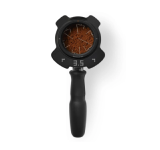
But when using a bottomless portafilter, channeling becomes even more apparent, and in some ways, it’s easier to spot and fix. The bottomless (or naked) portafilter is designed without a spout, which means it allows you to directly see the coffee as it is extracted. Unlike traditional portafilters with spouts that funnel the shot into the cup, the bottomless portafilter exposes the entire extraction process, including the channeling that occurs.
Some common visual cues include:
Jets or sprays: If you see water shooting out from a single point or along one side of the puck, this indicates that water is traveling through a single, unevenly compacted path, causing under-extraction in the rest of the puck.
Uneven flow: A steady, uniform flow from a spouted portafilter is ideal, but with a naked portafilter, channeling can lead to uneven streams, where one side of the espresso flows faster than the other. This indicates that water is not filtering evenly through the puck.
Bubbles or pitting: You may also notice small bubbles on the surface of the puck as water is forced through weak spots, often leading to under-extracted, sour flavors.
By observing these cues, you can immediately spot problems in your extraction and begin adjusting variables like grind size, tamping pressure, or distribution techniques.
Now that you can spot channeling when it happens, let’s dig into what actually causes it.
Also Read: What is a Portafilter in an Espresso Machine
It is time to examine the common causes of bottomless portafilter channeling. Understanding these causes is key to preventing channeling in the first place. Let’s explore each one in detail.
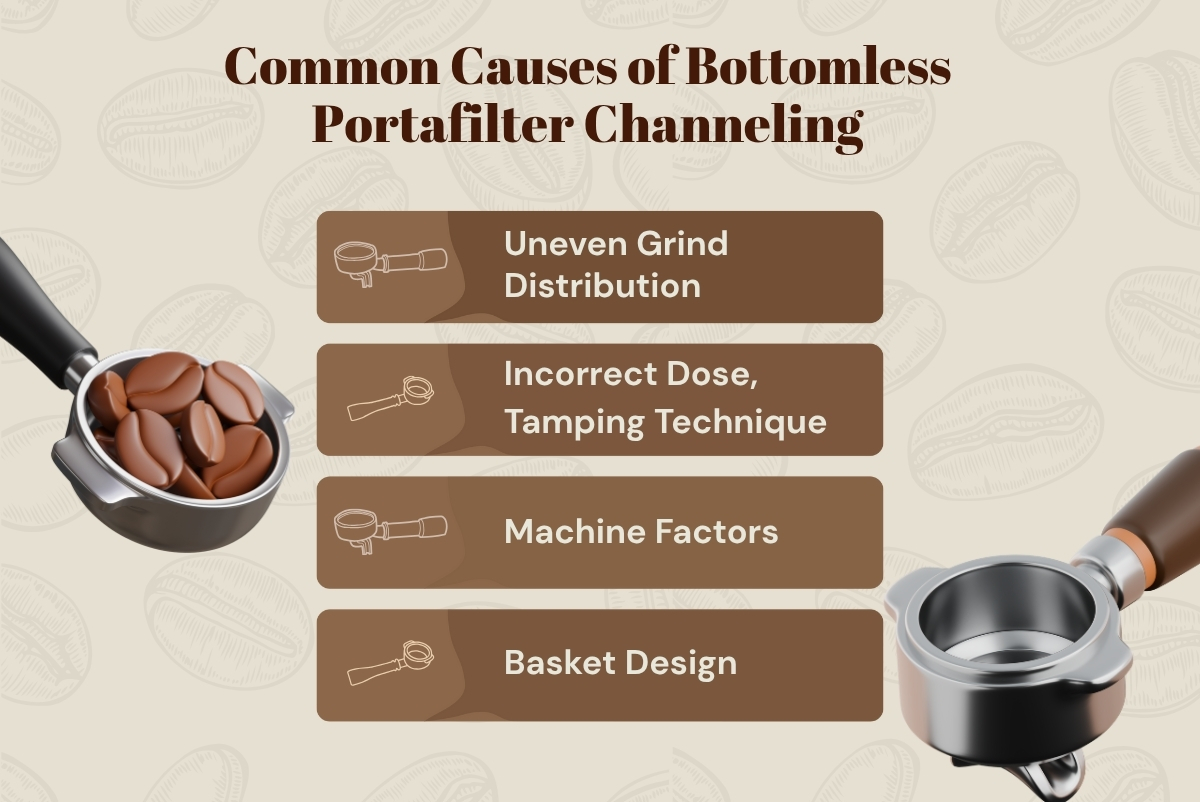
One of the most common causes of channeling is uneven grind distribution. If the coffee grounds are distributed unevenly in the portafilter basket, the water will naturally find paths of least resistance, leading to channeling.
Grind size: A grind that’s too coarse can cause large gaps between the coffee particles, while a grind that’s too fine can lead to over-compression in certain areas, both of which contribute to uneven water flow.
Uneven tamping: If the coffee bed isn’t evenly tamped, some areas will be compressed more than others, making it easier for water to find a path through the less-dense regions. This can result in uneven extraction.
A poor dose or incorrect puck preparation can all contribute to channeling. Here’s how:
Incorrect dose: Too much or too little coffee in the portafilter can lead to an uneven puck. Too much coffee can make it harder to tamp properly, and too little can cause too much space between the coffee and the shower screen, leading to poor extraction.
Puck preparation: If the coffee is packed unevenly or not evenly distributed, it increases the risk of channeling. A well-prepared puck creates an even resistance to water flow.
Your espresso machine also plays a crucial role in preventing or causing channeling. A few common machine-related causes include:
Pressure variations: Too high or too low pressure can lead to uneven extraction, either forcing water through too quickly or bypassing parts of the puck.
Shower screen issues: A dirty or misaligned shower screen can cause uneven water distribution, promoting channeling.
Brew temperature: Water that’s too hot or too cold can affect extraction, leading to over- or under-extraction and contributing to uneven water flow.
It’s important to regularly clean and maintain your machine to ensure all parts are functioning optimally.
The design and compatibility of your portafilter basket can also play a significant role in channeling.
Basket design: Some baskets, especially high-extraction baskets, can be more prone to channeling when used with a bottomless portafilter. These baskets are designed to extract more from the coffee, but without the proper distribution and tamping, they can increase the risk of uneven extraction.
Portafilter compatibility: Make sure your bottomless portafilter and basket are compatible with each other. Mismatched baskets and portafilters can lead to uneven puck preparation and more obvious channeling.
Choosing the right equipment, specifically baskets and portafilters that match your machine and brewing style, can help minimize channeling.
Knowing the causes is only half the story. Next, we will look at how channeling affects your shot quality, cleanup, and equipment wear.
Channeling doesn’t just affect the appearance of your espresso. It can have a serious impact on both the taste and overall quality of your shot. Let’s break down how channeling affects shot quality, cleanliness, and equipment longevity.
When channeling occurs, the extraction yield becomes uneven, leading to an inconsistent shot. Channeling essentially causes parts of the puck to be over-extracted, while other parts are under-extracted. This results in uneven flavors.
Under-extraction: In areas where water bypasses the coffee grounds, you will taste under-extraction—typically sour, watery flavors with a lack of body. This happens when water flows too quickly through areas of the puck, leaving the coffee grounds insufficiently brewed.
Over-extraction: On the other hand, areas where water pools too long or flows unevenly can lead to over-extraction, which results in bitter, harsh, or astringent flavors.
This duality of bad taste is one of the key signs of channeling, and it makes it nearly impossible to get a balanced, flavorful espresso. The result is a shot that’s neither enjoyable nor predictable.
One of the biggest issues when channeling happens with a bottomless portafilter is the mess. The lack of a spout means that any inconsistencies in the extraction are immediately visible and result in spray jets or uneven streams of coffee splattering all over the machine and counter.
Mess and splatter: As water shoots unevenly through the puck, it can create a chaotic, messy extraction process. This is especially true with bottomless portafilters, where water can spray everywhere, making cleanup a hassle.
Workflow disruption: You will spend extra time cleaning the machine and surrounding area, which can be frustrating in a high-volume environment like a café.
In addition, constant splattering can damage the machine’s components over time, as coffee grounds and oils can get into sensitive parts of the machine.
With both the what and why covered, let’s move into how you can fix and prevent channeling when using a bottomless portafilter.
Also Read: The Ultimate Guide to Automatic Tamper Espresso 2025
Now that you understand the causes and effects of channeling in a bottomless portafilter, it’s time to tackle how you can fix it. Fortunately, there are several practical strategies to help you prevent channeling and achieve more consistent, high-quality espresso. From improving grind distribution to machine maintenance, here are some key steps to ensure your shots are smoother, cleaner, and more flavorful.
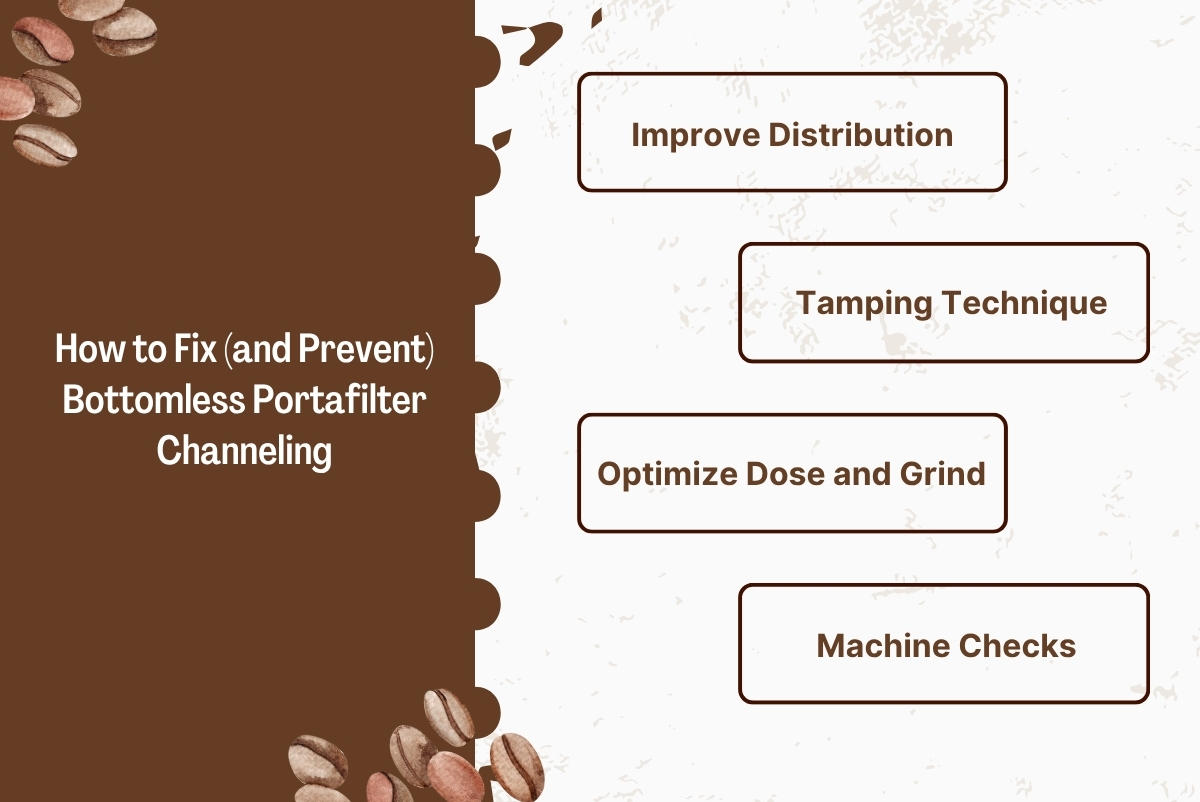
By ensuring even distribution of the coffee grounds, you can minimize the chances of water finding an easy path through the puck. There are a few effective tools and tricks that can help:
WDT (Weiss Distribution Technique): This technique involves using a needle tool or a similar device to stir the grounds and evenly distribute them in the portafilter basket before tamping. This is particularly useful for breaking up clumps and ensuring a uniform coffee bed.
Distribution tools: Tools like coffee distributors or levelers (like the VST distributor) allow you to spread the coffee grounds evenly, ensuring uniform density across the puck, which minimizes the chances of water creating uneven channels.
Dosing tricks: Adjusting your dosing technique can also help with distribution. Make sure you are dosing consistently and avoiding overstuffing the portafilter, as an uneven dose can lead to parts of the puck being over-packed, leading to channeling.
By improving your grind distribution, you ensure the water flows evenly through the coffee puck, which minimizes channeling.
Need the right tools to perfect your technique? Explore our range of precision espresso tools and bottomless portafilters at Pro Coffee Gear.
Tamping is crucial for preventing channeling. If the tamp isn’t even, or the pressure isn’t consistent, you will create areas of higher and lower resistance in the coffee puck, which encourages uneven water flow. To tamp effectively:
Level tamp: Always ensure that the surface of the coffee puck is level. A tilted or uneven tamp creates areas where water can pass through too easily, leading to channeling.
Consistent pressure: Apply consistent, firm pressure (around 30 pounds of force is typically recommended) to ensure an even, compact puck. Too little pressure can cause loose areas in the puck, while too much pressure may make the water flow too slowly, leading to over-extraction.
Flat surface: After tamping, the coffee bed should be perfectly flat. This is crucial to prevent water from taking the path of least resistance and forming channels.
The grind size, dose, and brew time all play key roles in preventing channeling.
Grind size: If your grind is too coarse, the water will flow too quickly, causing under-extraction and potential channeling. On the other hand, if the grind is too fine, the water will struggle to pass through, leading to over-extraction. The ideal grind size ensures an even flow of water and uniform extraction.
Shot ratio: Ensure that your shot ratio (coffee to water) is balanced. A typical starting point is a 1:2 ratio, meaning for every gram of coffee, you will use around two grams of water. Adjust this ratio based on the type of coffee you are brewing and the desired strength.
Brew time: Adjusting the brew time ensures proper extraction. If the brew time is too short, the coffee will be under-extracted; too long, and it will be over-extracted. A consistent brew time of around 25-30 seconds is ideal for most espresso machines.
By optimizing your grind size, dose, and shot ratio, you create an even and controlled extraction process, reducing the chances of channeling.
Your espresso machine itself can contribute to channeling if certain components aren’t functioning correctly. Regularly check the following:
Pressure: If your machine's pressure is too high or too low, it can cause uneven extraction, leading to channeling. Most espresso machines operate best at around 9 bars of pressure. Check your machine's pressure gauge and adjust if necessary.
Shower screen: A dirty or poorly aligned shower screen can cause uneven water distribution across the puck. Regular cleaning and proper alignment of the shower screen are essential for even extraction.
Basket fit: Ensure that the portafilter basket fits snugly and aligns with the machine. A loose basket can lead to inconsistent pressure distribution, encouraging channeling.
Size compatibility: Check that the size of your portafilter basket is compatible with your machine. If the basket is too small or too large for the portafilter, it can affect the distribution of water and the overall extraction.
Also Read: Best Espresso Tamper for Perfect Coffee
Channeling with a bottomless portafilter is visible but fixable with the right technique and equipment. It’s a great tool for those serious about espresso extraction, as it offers real-time feedback to improve your shots. However, if you are just starting out or working in a high-volume café, a spouted portafilter might be a more practical option.
Want to eliminate channeling issues for good? Visit Pro Coffee Gear today to find top-quality espresso machines, grinders, and accessories that will help you achieve consistent, high-quality shots!
Channeling in a bottomless portafilter is often caused by uneven grind distribution, inconsistent tamping, improper dose, or issues with the espresso machine itself, like low pressure or a dirty shower screen.
Normal spray from a bottomless portafilter should ideally be smooth and consistent. Channeling often causes a chaotic or uneven flow, which is a sign of uneven extraction.
While bottomless portafilters are often used in home setups for learning and practice, they can also be suitable for cafés, especially in small to medium-volume operations. However, in high-volume settings, a spouted portafilter may be more efficient in managing workflow and reducing mess.
While a WDT (Weiss Distribution Technique) tool and puck screen are not strictly necessary, they can significantly improve your distribution and puck stability, helping to prevent channeling. These tools are especially useful for home baristas who want to achieve consistent results.
Switching to a spouted portafilter can help reduce the visual mess caused by channeling, but it doesn’t address the underlying causes of channeling. If you’re experiencing channeling with a bottomless portafilter, it’s still essential to improve your grind distribution, tamping technique, and machine maintenance, regardless of the portafilter type.
Our team can help you find the best fit based on your space, volume, and budget.
Talk to a Specialist

