


What is an Espresso Puck Screen? Benefits, Usage, and Buying Considerations
|
|
Time to read 11 min
Your Cart
Your cart
Favorites





Shop by Brands

Shop by Brands
Shop by Brands


Shop by Brands


Shop by Brands
Shop by Brands

|
|
Time to read 11 min
Espresso consistency is one of the biggest challenges in any café or high-volume coffee setup. Even when grinders and machines are dialed in, small inconsistencies in water distribution can lead to uneven extraction, channeling, and unpredictable shot quality. These issues directly affect workflow speed, drink consistency, and customer experience in commercial environments.
Espresso puck screens are a simple and effective tool to address this problem. They sit on top of the coffee puck and help distribute water more evenly during extraction. This improves saturation, reduces puck surface disruption, and supports more stable brewing conditions.
For cafés and restaurants, this can translate into more repeatable shots and fewer wasted pulls. A 2025 report found that 43% of U.S. adults drank an espresso-based beverage in the past week, increasing the need for consistent shot quality in commercial environments.
This guide breaks down what puck screens are, how they work, their practical benefits, the different types available, and how to choose and use them correctly.
At a Glance:
Espresso puck screens are thin mesh discs placed on top of a tamped coffee puck to improve water distribution and reduce uneven extraction issues like channeling in espresso brewing.
They work by diffusing water flow from the group head, helping it spread more evenly across the coffee bed for better saturation, puck stability, and more uniform extraction.
Key benefits include improved shot consistency, reduced channeling, cleaner group heads, better workflow stability in busy service environments, and more balanced espresso flavor.
Different types include standard mesh, reinforced commercial-grade, precision multi-layer, and thin low-resistance screens, each suited to different workload levels and workflow needs.
Proper use and selection depend on correct sizing, good puck prep, consistent cleaning, and avoiding common mistakes like over-reliance or poor fit to maintain reliable espresso performance.
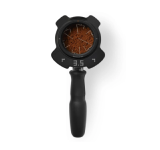
Espresso puck screens are thin, circular mesh discs placed directly on a tamped coffee puck inside the portafilter. Their main role is to create a more even interaction between water and coffee during extraction. Although simple in design, they influence how water enters the puck and how evenly pressure is distributed.
In espresso workflows, puck screens act as a buffer layer between the group head and the coffee bed. This reduces uneven water jets and minimizes disturbances that can lead to channeling. They are used in both commercial cafés and home setups where repeatable extraction is a priority.
Espresso puck screens work by changing how water interacts with the coffee puck during the initial stages of extraction. Instead of water hitting the coffee bed directly, the screen acts as a diffusion layer that spreads the flow more evenly.
Here is a step-by-step breakdown of what happens during extraction:
Water interception: Water from the group head first hits the puck screen instead of directly hitting the coffee bed. This reduces uneven pressure on a single point.
Flow dispersion: The mesh structure spreads incoming water across multiple small openings, creating a wider and more balanced flow pattern over the puck surface.
Even saturation: Water begins soaking the coffee bed more uniformly, reducing dry spots and improving consistency in early-stage extraction.
Puck stability: The reduced water impact helps maintain the integrity of the coffee puck and reduces disruption during pre-infusion and brewing.
Channel reduction: More uniform saturation leads to fewer weak paths forming in the puck, helping reduce channeling and improving shot consistency.
Also Read: A Complete Guide To Flow Control Espresso Machine
A puck screen is optional, not essential. It mainly helps improve consistency by smoothing water distribution, but it does not replace proper grind, dose, or tamp quality.
It is most useful in:
Busy cafés or multiple barista setups: Reduces small shot variations
High-use machines: Helps stabilize uneven water flow over time
Controlled specialty workflows: Offers only minor improvement
Low-volume setups: Often unnecessary if prep is already precise
In short, use a puck screen when consistency varies between shots or users. If your espresso process is already tight, it becomes more of a small refinement than a needed upgrade.
Espresso puck screens are not just a technical accessory. They solve practical problems that appear daily in commercial and high-volume brewing environments.

One of the biggest advantages of a puck screen is more even water distribution across the coffee bed. Instead of concentrated water flow hitting one area, the screen helps spread water more evenly before extraction begins.
This creates a more balanced saturation process, supporting better flavor clarity and consistent extraction across multiple shots.
Channeling happens when water finds weak paths through the coffee puck instead of extracting evenly, often leading to sour, bitter, or inconsistent espresso shots.
A puck screen helps reduce direct water impact on the puck surface, lowering the chance of channel formation during extraction. This is especially useful in busy café environments where small prep inconsistencies can occur during peak service hours.
Shot repeatability is important in commercial espresso workflows. Customers expect the same drink quality regardless of who prepares it.
Puck screens help stabilize extraction conditions, making it easier to produce consistent results across shifts, baristas, and varying service volumes.
Without a puck screen, coffee grounds and oils can move upward into the shower screen area during extraction. Over time, this creates buildup that requires more frequent cleaning.
Using a puck screen creates a barrier between the coffee bed and the machine’s shower screen, helping keep the group head cleaner during daily operation.
In fast-paced cafés, small extraction inconsistencies can lead to wasted shots and workflow slowdowns. Puck screens help create a more forgiving brewing process by improving extraction stability.
This can reduce the number of re-pulled shots during busy periods and support smoother service flow.
Even extraction is essential for balanced espresso flavor. Uneven saturation can produce shots that taste both under-extracted and over-extracted simultaneously.
By helping water interact more evenly with the coffee bed, puck screens support greater extraction uniformity and balanced flavor profiles.
Many espresso upgrades require significant investment in grinders or machines. Puck screens offer a simpler and more affordable way to improve consistency without changing core equipment.
For cafés and coffee professionals refining workflow and shot quality, they provide strong value relative to their cost.
Not all puck screens are designed the same way. Different materials, thickness levels, and structures can directly affect performance and daily usability.
These are the most widely used puck screens in both cafés and home setups. They feature a single-layer stainless steel mesh that helps distribute water evenly across the coffee puck surface.
They are best suited for:
Small to medium cafés with moderate shot volume
Baristas who want consistency without changing workflow complexity
General-purpose espresso setups
Key advantages include affordability, ease of cleaning, and reliable day-to-day performance. While they do not drastically alter extraction, they improve consistency in a practical and noticeable way.
These screens are built for higher durability and repeated daily use. They typically use thicker stainless steel and more rigid construction to withstand heavy workflow pressure.
They are best suited for:
High-volume cafés and restaurants
Espresso bars with continuous service periods
Multi-barista environments where durability matters
Their main advantage is longevity and resistance to warping. They also maintain more stable water dispersion over time, even under frequent cleaning cycles.
Multi-layer designs use stacked mesh layers to control water dispersion more precisely. This creates a more gradual and even saturation of the coffee puck.
They are best suited for:
Specialty coffee shops focused on espresso consistency
Quality-driven workflows where shot repeatability is critical
Training environments where extraction control is emphasized
These screens are particularly effective in reducing micro-channeling and improving clarity in espresso shots. They are often preferred in setups where small improvements in extraction uniformity can noticeably impact cup quality.
These puck screens are designed to sit closer to the coffee bed with minimal resistance. They are typically thinner and lighter than commercial-grade versions.
They are best suited for:
Low to medium-volume setups
Home baristas transitioning to advanced workflows
Machines sensitive to basket headspace limitations
They are easier to handle and clean, but may not offer the same durability as thicker commercial options. However, they integrate well into setups where speed and simplicity are more important than heavy-duty durability.
Also Read: PID Controlled Espresso Machines: Key Features & Reviews
Using a puck screen correctly is important because its effectiveness depends on proper placement within the brewing workflow. When used correctly, it integrates smoothly into standard espresso preparation without adding complexity to service.
Dose coffee: Start with your standard dose based on your recipe and maintain a consistent dose weight for every shot you pull. Keep the dose weight consistent, since puck screens do not replace proper calibration or dosing control.
Distribute and tamp: Level and tamp the coffee evenly before adding the puck screen so the coffee bed stays stable and uniform. A stable puck ensures the screen works effectively without disrupting water flow during extraction.
Place screen: Gently place the puck screen on top of the tamped coffee and ensure it sits flat and centered. Make sure it sits flat and centered for even water dispersion across the entire puck surface.
Lock portafilter: Insert the portafilter into the group head immediately after placing the screen to maintain puck integrity under pressure. This step helps maintain puck integrity under brewing pressure without disturbing the coffee bed.
Pull shot: Brew your espresso as normal without changing grind size, timing, or extraction settings. The puck screen works passively to improve water distribution across the coffee bed.
Rinse screen: Clean or rinse the puck screen after each use to remove coffee residue and buildup. Regular cleaning prevents buildup and maintains consistent performance in high-volume service environments.
While puck screens are simple to use, there are a few common mistakes that can reduce their effectiveness in real-world espresso workflows.
Wrong size fit: A mismatched puck screen can move during extraction or sit unevenly on top of the coffee puck. This disrupts water flow and reduces extraction consistency during brewing.
Skipping puck prep: Puck screens do not replace proper distribution and tamping before extraction begins. If the coffee bed is uneven, channeling can still happen underneath the screen during brewing.
Over-reliance on screen: Expecting the puck screen to fix extraction issues alone leads to poor workflow habits over time. Grind size, dose accuracy, and tamping remain the main controls for shot quality.
Poor cleaning routine: Without regular rinsing, coffee oils and fine particles build up on the screen over time. This can restrict water flow and negatively impact hygiene, especially in high-volume service environments.
Ignoring workflow fit: Some puck screens can slow down busy café workflows if they are difficult to handle or clean efficiently. The design should match the pace and demands of your service environment.
Selecting the right puck screen depends on how it will be used within your espresso setup. In commercial environments, durability and consistency take priority over aesthetics or minor design differences.
Size fit: Make sure the puck screen matches your portafilter size, typically 58mm in commercial machines. A proper fit ensures it stays stable on the puck and does not shift during extraction.
Material quality: Choose stainless steel with strong build quality for long-term commercial use. Higher-grade materials resist corrosion and hold up better under daily café workloads.
Thickness level: Thicker screens offer more stability under pressure and suit high-volume environments. Thinner screens may be more delicate and better for lower-intensity or precision-focused setups.
Cleaning ease: Pick a design that rinses quickly and does not trap excess coffee oils. Faster cleaning helps maintain hygiene and keeps the service workflow smooth during peak hours.
Workflow fit: Match the screen to your service style, whether speed-driven or precision-focused. This ensures it supports your espresso routine rather than slowing it down.
Shift consistency: Use a puck screen that delivers stable extraction results across different baristas. This reduces variability and helps maintain consistent drink quality throughout service.
Long-term durability: Invest in a screen that maintains performance over time under heavy use. Better durability reduces replacement frequency and supports lower operational downtime.
Espresso puck screens are a simple but effective upgrade for improving extraction consistency in both commercial and professional coffee setups. By supporting more even water distribution, they help reduce channeling and improve shot stability without requiring changes to core espresso equipment.
They also contribute to cleaner group heads, more predictable workflow performance, and improved repeatability across shifts. When selected and used correctly, they become a practical tool for cafés and coffee professionals focused on consistency and efficiency.
If you are refining your espresso setup or building a more consistent workflow for your café or coffee business, Pro Coffee Gear can help you compare equipment and accessories based on real operational needs.
Espresso puck screens are usually made from food-grade stainless steel mesh or sintered metal. Common sizes include 51mm, 53.3mm, and 58mm. Choose a size matching your portafilter basket diameter closely for even water distribution and a proper fit without channeling.
Most puck screens are 0.2–1.0 mm thick. Thinner screens offer minimal impact on headspace, while thicker ones improve water dispersion but may slightly reduce extraction space, requiring minor adjustments in grind or dose for optimal flow and balance.
Puck screens are generally compatible with most espresso machines using standard baskets, including pressurized and precision baskets. However, fit depends on diameter and headspace. Some very shallow or proprietary baskets may not accommodate a screen properly.
Puck screens vary in design: mesh types provide even flow and affordability, etched screens offer precise hole patterns for consistency, and multi-layer designs improve durability and distribution but can slightly reduce headspace and increase resistance.
Using a puck screen usually requires minimal adjustment. Some users slightly increase grind coarseness or reduce the dose to maintain headspace, as the screen adds resistance and reduces available space in the portafilter basket.
Our team can help you find the best fit based on your space, volume, and budget.
Talk to a Specialist

