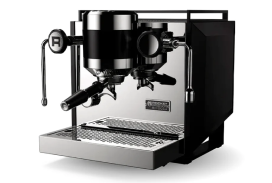
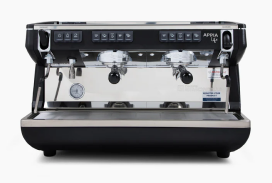


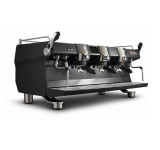

Astoria AB200 Espresso Machine Overview and Features
|
|
Time to read 12 min
Your Cart
Your cart
Favorites





Shop by Brands

Shop by Brands
Shop by Brands


Shop by Brands


Shop by Brands
Shop by Brands
|
|
Time to read 12 min
When your espresso bar hits its busiest hour, your machine either keeps up or quietly becomes the bottleneck. As a café owner or specialty coffee operator, you know that every delayed shot and uneven extraction shows up in the cup and in customer patience.
The Astoria AB200 is built for that kind of pressure, not showroom appeal, but day-to-day service where reliability matters more than features on paper. If you run a café, restaurant, or high-volume counter, this overview breaks down what makes the Astoria AB200 espresso machine a practical fit for demanding coffee environments.
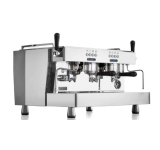
The Astoria AB200 offers 2- or 3-group configurations for flexible café and restaurant workflows.
Consistent extraction helps maintain high-quality espresso standards across long service periods.
Ergonomic design reduces barista fatigue and speeds up service during busy hours.
Optional touchscreen display and Autosteamer upgrades enhance efficiency and workflow control.
Durable build with customizable panels and accessible maintenance supports long-term café operations.
Specs and features vary by configuration (Standard vs. Auto Steamer, compact versions, etc.).
The Astoria AB200 2 group / 3 group is built with that reality in mind. It’s designed to remove friction from daily service, reduce downtime, and support baristas through long shifts without adding complexity.

You can feel the intent behind it: practical engineering, thoughtful ergonomics, and reliability shaped by practical café demands and Astoria’s presence at industry events like SCA Expo.
Here’s how the Astoria AB200 solves the problems that slow cafés down:
Consistency Under Pressure: Stable brewing performance during rush periods helps deliver uniform shots without constant adjustments or temperature drift.
Workflow That Reduces Fatigue: The layout supports natural movement behind the bar, minimizing unnecessary reaching or repositioning during high-volume hours.
Accessible Servicing: Side panel access and modular design make routine upkeep faster and less disruptive to service.
Built for Long Operating Days: Durable construction and energy-efficient operation keep the machine ready throughout extended service.
Compare brewing styles: French Press vs. Espresso: Differences in Coffee Making
To understand its true value, let’s break down each feature and see how it impacts your café operations.
Every part of the Astoria AB200 is designed with daily café pressure in mind. This isn’t a machine built to impress on paper; it’s built to perform when orders stack up, baristas rotate shifts, and consistency has to hold from opening to close.
Below is a closer look at the features that shape that experience, and why they matter in real café operations.
Durable construction with customizable panels: The Astoria AB200 uses sturdy internal components paired with ABS exterior panels that can be customized, helping the machine blend into different café aesthetics without sacrificing strength.
Service-friendly side access: Side panels are designed for quick removal, allowing technicians to reach internal components easily and reducing downtime during routine service or repairs.
Compact footprint with smart spacing: Despite its commercial output, the machine maintains a manageable footprint, making it suitable for tighter counters without crowding the workspace.
Ergonomic layout for long shifts: Control placement, group spacing, and lever positioning are designed to reduce unnecessary movement, helping baristas work faster with less physical strain.
Heat exchange boiler design: The AB200 uses a heat exchange system that allows brewing and steaming at the same time, supporting continuous service during busy periods.
Note: multiple AB200 variants exist (Standard, Auto Steamer, compact); boiler configuration details may vary by SKU; confirm on the product page.
Sized for volume consistency: Boiler capacities scale with group count, providing steady thermal output whether running a 2-group or 3-group configuration.
Temperature stability during rush hours: Stable thermal performance helps maintain shot quality even when drinks are pulled back-to-back.
Reliable recovery between drinks: The system rebounds quickly after heavy use, reducing wait time between extractions and milk steaming cycles.
Commercial-grade group heads: Designed for repeated use, the group heads support consistent extraction pressure across long service periods.
Integrated shot counters per group (available depending on configuration): Built-in counters help track usage, assist with maintenance planning, and provide insight into daily output.
Optimized water flow design: Internal flow management helps reduce channeling, supporting more even extraction and better cup clarity.
Lever-activated steam control: Manual steam levers provide direct control, allowing baristas to adjust steam output based on milk type and drink volume.
Optional Autosteamer upgrade (available on select configurations): Automates milk temperature and texture, supporting consistent results during high-volume service.
Strong steam output for speed: Steam pressure is designed to handle continuous milk preparation without drop-off.
Designed for clean operation: Purge functionality helps maintain hygiene and reduces milk residue buildup during busy shifts.
Adjustable drip tray height: Supports everything from espresso cups to taller takeaway cups without compromising stability.
Integrated shot tracking: Shot counters per group help teams monitor usage patterns and maintenance intervals.
LED workspace lighting: Enhances visibility during service while adding a clean, modern look to the bar.
Optional touchscreen display: Provides intuitive access to machine settings for shops that want more control without added complexity.
3.5-inch touchscreen display: Adds streamlined control and easier navigation for advanced settings.
Electronic cup warmer: Keeps cups at serving temperature, improving consistency for milk-based drinks.
Custom ABS body panels: Enable visual alignment with café branding while maintaining durable construction.
Also Read: Eureka Atom W 65 Coffee Grinder Review
With the features clear, it’s time to look at the technical specifications that back up the AB200’s performance.
Before committing to a commercial espresso machine, most café owners want clarity, not marketing language. Power requirements, physical size, and internal capacity matter just as much as performance on the bar.
Below is a clean breakdown of the verified specifications so you can assess fit, electrical needs, and installation readiness with confidence.
|
Specification |
2 Group |
3 Group |
|
Model Variants |
Standard 2-Group |
Standard / Auto Steamer 3-Group |
|
Boiler Type |
Heat Exchange |
Heat Exchange |
|
Steam Boiler Capacity |
9.5 L |
15 L |
|
Voltage |
220–240V |
220–240V |
|
Power Rating |
4,000–5,200 W |
5,800–6,900 W |
|
Length |
30.31 in. |
38.9 in. |
|
Depth |
24.9 in. |
24.9 in. |
|
Height |
19.3 in. |
24.9 in. |
|
Weight |
123.5 lbs |
158.7 lbs |
|
Water Connection |
Direct plumbed |
Direct plumbed |
|
Body & Finish |
Customizable ABS panels (Black or White) |
Customizable ABS panels (Black or White) |
|
Certifications |
UL / ULC, NSF |
UL / ULC, NSF |
The Astoria AB200 is a strong fit if you:
Run a café, restaurant, or specialty coffee counter with consistent daily volume
Want professional-grade extraction and steaming without the complexity of a multi-boiler system
Prioritize ergonomic workflow and serviceability over advanced digital customization
Look for a mid-range commercial machine that balances cost, durability, and performance
The Astoria AB200 may not be the right fit if you:
Need the precise per-boiler temperature control that multi-boiler systems provide for very high-end single-origin menus
Run an extremely high-volume operation (multiple hundreds of drinks per hour) where a 3-group heat exchange machine may be stretched
Require extensive built-in programmability or remote control features as standard (these are available as options, not defaults)
Operate in a location without access to a direct-plumb water connection
Now that we’ve reviewed the specs, let’s see how the Astoria AB200 stacks up against other machines in the market.
Choosing a commercial espresso machine often comes down to balance. Some models lean heavily toward advanced electronics, while others prioritize reliability and daily usability.
How It Differs From Larger Commercial Models:
Heat Exchange vs Multi-Boiler: The Astoria AB200 uses a heat exchange system, favoring consistency and simplicity over the increased complexity of multi-boiler designs.
Lighter Overall Build: Its weight and dimensions make installation easier, especially in cafés without reinforced counters or specialized electrical setups.
Workflow-Oriented Design: The layout prioritizes speed and accessibility rather than advanced customization or remote control features.
Focused Feature Set: While other machines introduce Wi-Fi control and expanded programmability, the Astoria AB200 stays centered on hands-on café operation.
Having seen how it compares on paper, let’s hear what real users and the community have to say about the AB200.
Running a café or high-volume coffee operation is full of small challenges that only experience can reveal. Baristas and shop owners often share insights about machine performance, ergonomics, and usability in forums and coffee communities.

Operators evaluating the Astoria AB200 consistently highlight a few practical themes worth considering:
Ergonomic Layout: The accessible control placement and side panel design are frequently cited as reducing fatigue during long shifts, a meaningful consideration for multi-barista operations.
Steam Wand Usability: The manual lever setup provides direct control, while the optional Autosteamer configuration suits high-volume shops looking for more consistency with less active management.
Maintenance Access: Side panels and modular design simplify internal access, which keeps routine upkeep from becoming a service disruption.
Panel Customization: The ABS panel customization option allows the machine to visually integrate with different workspace aesthetics, a practical differentiator for design-conscious operators.
These insights collectively show that the AB200 not only meets professional expectations but also aligns with practical café workflows, from ergonomic considerations to maintenance and service efficiency.
Beyond user experiences, it’s important to understand the practical side, installation, service, and warranty considerations in the US.
Setting up a commercial espresso machine like the Astoria espresso machine AB200 goes beyond simply plugging it in. Below, we break down key installation and service considerations for the Astoria AB200.
Direct Plumbing: The Astoria AB200 is designed for direct-plumb installations. Confirm your exact configuration and comply with local plumbing and electrical code requirements before installation.
Voltage and Circuit: Ensure a dedicated 220–240V circuit with appropriate amperage for your group configuration to support the machine's power demands.
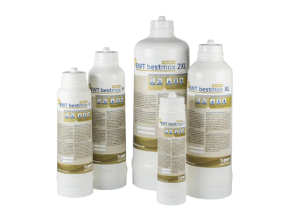
Water Filtration: Filtered water is strongly recommended. Water quality significantly affects scale buildup, boiler longevity, and extraction consistency.
Space Requirements: Allow adequate clearance at the front and sides for safe operation and technician access. Consult your technician or installation documentation for exact clearance specs.
Dedicated Electrical Circuit: A separate breaker matched to your machine's group configuration is required.
This structured approach ensures the AB200 integrates seamlessly into your café or restaurant, reducing setup headaches while maintaining peak operational performance.
Below, we’ve outlined a practical, easy-to-reference schedule to keep the AB200 operating at its best:
|
Frequency |
Task |
Description |
|
Daily |
Group Head Cleaning |
Backflush each group with detergent to remove coffee oils and prevent buildup, preserving extraction quality. |
|
Daily |
Steam Wand Purge |
Purge and wipe all wands after each shift to prevent milk residue from clogging or hardening. |
|
Daily |
Drip Tray & Exterior |
Empty, clean, and sanitize drip trays; wipe machine surfaces to maintain hygiene and aesthetics. |
|
Weekly |
Group Gasket Check |
Inspect gaskets for wear or leaks; replace if elasticity is reduced to maintain proper pressure during extraction. |
|
Weekly |
Portafilter & Basket Cleaning |
Soak portafilters and baskets to remove oils and residue, ensuring consistent extraction flavor profiles. |
|
Monthly |
Water Softener / Filter |
Check and replace water filters or softening units to prevent scale buildup and maintain boiler efficiency. |
|
Quarterly |
Descaling |
Run the manufacturer-approved descaling process based on shot volume and the hardness of water to protect internal components. |
|
Quarterly |
Boiler & Internal Inspection |
Review boiler, pipes, and group heads for signs of wear or leaks; schedule service if necessary. |
|
As Needed |
Panel & Internal Cleaning |
Remove side panels to clean internal surfaces and inspect electronics or heating elements for optimal operation. |
After covering maintenance, it’s important to consider the costs and financing options to see the AB200’s value in your café.
Investing in a commercial espresso machine like the Astoria AB200 is more than a purchase; it’s a strategic decision for your café’s workflow, quality consistency, and long-term ROI.

Below is a quick snapshot to help frame your budgeting perspective:
Base Machine Range: The AB200’s core 2-group and 3-group models provide full professional functionality with pricing that varies by group configuration and finish. Verify the exact cost per model on the official product page.
Optional Upgrades: Add-ons like the 3.5″ touchscreen display or Autosteamer Plus wand enhance workflow efficiency and consistency, offering measurable time savings in busy service periods.
Configuration Impact: Multi-group machines, compact 2-group variants, or custom ABS panels affect the overall investment, allowing cafés to align capacity with daily volume without unnecessary overspend.
Financing Availability: Pro Coffee Gear provides financing plans for U.S. buyers, enabling manageable payments while equipping your shop with professional-grade espresso capability.
ROI Perspective: Consider how optional features, such as automatic steaming, remote management, or cup warmers, improve throughput, reduce barista fatigue, and enhance beverage quality, translating directly into operational value.
Understanding both base costs and optional enhancements ensures your investment aligns with your café’s volume, workflow, and long-term growth strategy. Always confirm the latest pricing and financing terms directly on the Astoria AB200 product page.
With costs and financing clear, let’s address some common questions that potential buyers often have.
Investing in a commercial espresso machine like the Astoria AB200 means balancing performance, space, and staff workflow. Operators often pause at the crossroads of options: How many groups do I truly need? Will advanced steam wands or a touchscreen meaningfully impact speed and consistency?
Key Considerations Before You Buy
Optimal Group Count: Determine the balance between peak-hour throughput and countertop footprint for your specific operation.
Milk-Frothing Setup: Choose between manual or automated steam options depending on your menu and barista workflow.
Control Interface: Decide if the optional touchscreen adds meaningful speed or quality benefits to your daily routine.
Setup Requirements: Check electrical, water, and drainage needs to ensure a smooth and compliant installation.
Maintenance Fit: Consider how routine upkeep, backflushing, wand cleaning, and descaling fit your staffing and schedule.
Looking for the right grinder? Here's a detailed guide to: Finding the Best Espresso Grinder for Home Use
With these common questions answered, we can now wrap up and summarize why the AB200 is a strong choice for your café.
The Astoria AB200 isn’t just another espresso machine; it’s a reliable partner for cafés, restaurants, and high-volume counters that demand consistency, speed, and professional-grade results. With versatile group configurations, precise thermal management, and ergonomic design, it helps baristas focus on craft, not frustration.
Thoughtful features like adjustable drip trays, intuitive controls, and optional autosteaming make every shift smoother while reducing fatigue and downtime.
For tools, accessories, and parts that support professional coffee workflows, Pro Coffee Gear offers a curated collection built for durability and performance. If you’re ready to upgrade your coffee routine, consider exploring the Astoria AB200 further through Pro Coffee Gear.
The Astoria AB200's 2-group model is well-suited for moderate-volume café operations. The 3-group variant handles higher throughput, matches the group configuration to your peak-hour demand rather than daily averages. When in doubt, consult with your equipment dealer based on your service volume.
Yes, the Astoria AB200 is designed for direct-plumb installation for consistent flow and pressure. Confirm your site's plumbing requirements and local code compliance before installation.
The machine supports 220–240V, compatible with standard US commercial circuits. Always confirm with a licensed electrician before installation to ensure proper amperage and safe operation, particularly for multi-group models.
Daily tasks include backflushing and steam wand cleaning; weekly checks cover group gaskets and portafilter care. Use the machine's built-in shot counters alongside your technician's preventive maintenance schedule to determine descaling and deeper service intervals. Water quality is the biggest variable in that frequency.
Yes, the AB200’s heat exchange system and boiler capacity are designed for frequent espresso pulls and simultaneous steaming. It maintains performance during back‑to‑back orders without significant temperature dips. Proper setup and routine maintenance help sustain that performance throughout busy shifts.
Our team can help you find the best fit based on your space, volume, and budget.
Talk to a Specialist

