


How to Adjust a Coffee Grinder for the Perfect Espresso
|
|
Time to read 10 min
Your Cart
Your cart
Favorites





Shop by Brands

Shop by Brands
Shop by Brands


Shop by Brands


Shop by Brands
Shop by Brands
|
|
Time to read 10 min
If you've ever pulled an espresso shot that wasn't up to par, you've probably wondered what went wrong. Is it the beans? The machine? Or maybe it's the grind. The grind directly affects everything from flavor to consistency and, ultimately, your coffee experience.
In this guide, we'll show you exactly how to adjust the coffee grinder to achieve the perfect espresso grind. Whether you're just starting to experiment with espresso at home or you're looking to fine-tune your technique, we've got you covered.
Let's dive in and master the art of grinding for the perfect shot!
Grind size matters. A finer grind leads to over-extraction (bitter, harsh), while a coarser grind results in under-extraction (watery, sour).
Adjust your espresso grinder while it's running to ensure consistency and avoid jams.
Balance sweetness and acidity to determine if your grind needs adjusting; a too-fine grind results in bitterness, while a too-coarse grind yields a weak flavor.
Coarse grind works well for longer extraction shots, while fine grind yields the strong, bold espresso you crave.
Environmental changes, such as temperature and humidity, affect grind consistency; adjust accordingly.
First, let's understand the importance of adjusting your coffee grinder and how it can completely change the flavor of your espresso.
When brewing espresso, a slight change in grind size can significantly impact the quality of your espresso, affecting its flavor, texture, and overall balance. Grind is the foundation of your shot - it determines how well your coffee extracts, and even minor adjustments can transform the experience.
If your grind is too fine, you risk over-extraction, leading to a bitter, harsh shot.
On the other hand, a too-coarse grind results in under-extraction, producing a watery, sour taste.
The sweet spot is finding that grind size that helps you extract all the flavors, from the sweet, fruity notes to the rich, roasty undertones, with the perfect balance of body and acidity.
Now, let's go through the clear steps to ensure your grinder works in harmony with your beans, environment, and espresso machine, for perfectly brewed shots every time.
Adjusting your grinder isn't just about turning a dial; it's about understanding the nuances of the process. You must know your espresso machine, your beans, and the environment to ensure that every shot is as perfect as possible.

Here's how to dial in your grind with precision:
Before you start, ensure that your grinder's burr is securely locked in place. Some coffee grinders feature a burr lock to safeguard that the burrs remain securely aligned during adjustments.
Suppose yours doesn't. Manually stabilize the burr to ensure consistent settings. Any misalignment at this step could cause inconsistent grinding, resulting in uneven extraction and poor shots.
Never adjust the grind while the grinder is off. Doing so can create friction between the burrs, misalign them, or even cause a jam. Instead, change the grind while the grinder is running.
This allows the burrs to move smoothly into the new position without resistance, ensuring consistency with every grind. Think of it like fine-tuning a delicate instrument: small, smooth changes while it's in motion give you control over the grind.
If you're switching grind sizes, always clear out the old grind settings first. Old grinds left in the burrs or chamber can affect your new grind, skewing your results. This might seem like an extra step, but it's crucial.
Even the smallest amount of old grounds can introduce stale flavors or mess with the grind consistency. A quick brush or tap can eliminate this issue.
The grinder's job is only half the equation. The espresso shot will tell you everything you need to know. After adjusting the grind, brew a shot and analyze it.
If the shot is bitter, it likely means the grind is too fine, resulting in over-extraction of the coffee.
If it's watery or sour, the grind is likely too coarse, resulting in under-extraction.
Every shot gives feedback: taste the balance of sweetness, acidity, and body. Adjust accordingly and continue fine-tuning until you reach that rich, smooth espresso shot you're aiming for.
The first thing to look for is balance. A well-ground espresso should taste sweet, balanced, and rich. You shouldn't focus solely on the bitterness or acidity, but rather on how these flavors work together.
If the grind adjustment isn't quite enough to get the shot where you want it, sometimes it's a combination of grind size and dose that needs refining.
If the shot is too bitter, but fine-tuning the grind hasn't helped, reduce the dose of coffee.
Alternatively, if the shot is too bright or acidic, increasing the dose might balance things out. Experiment with both until you find the sweet spot.
It's a process of continuous refinement. You'll need to test, taste, adjust, and repeat until your espresso shots hit that perfect balance between sweetness, acidity, and body.
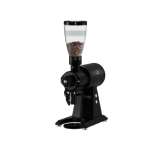
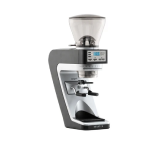
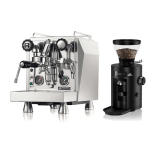
Struggling to achieve café-quality shots at home? The Macap Leo 55 Touch at Pro Coffee Gear delivers precision, control, and consistency, letting you craft perfect espresso with every pull.
Once you've evaluated your shots, it’s time to understand when to use a coarse or fine grind.
The grind size can make or break your espresso shot. Understanding the difference between a coarse and fine grind is crucial for knowing when to adjust your grinder for the right shot. Here's how to approach these two extremes:
1. Coarse Grind: For Longer Espresso Shots
A coarse grind is used for shots that require longer extraction times, such as when you're brewing a more traditional espresso or experimenting with longer shots.
A coarser grind allows water to flow more easily through the coffee, resulting in a longer extraction period and a less intense, more balanced flavor profile.
If your shot is running too quickly or tasting weak, try switching to a coarser grind. A coarser grind works best when you're looking for a gentler extraction that allows the sweeter and subtler notes of your coffee to shine.
2. Fine Grind: For Shorter Espresso Shots
On the other hand, a fine grind is necessary for shorter shots, such as a typical espresso.
The finer the grind, the more surface area the water can extract, resulting in faster extraction. This is what gives espresso its concentrated flavor and rich crema.
If you find that your shot is too watery or acidic, the grind is likely too coarse, and you need a finer grind to pack more flavor into the shot.
When adjusting to a finer grind, be cautious - too fine can cause over-extraction and bitterness. Make minor adjustments and taste as you go.
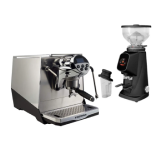
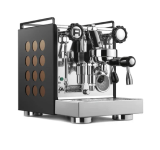
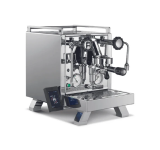
Seeking precision and consistency in your café? The Rocket Boxer Timer Evo at Pro Coffee Gear offers advanced pressure profiling, multi-boiler technology, and PID-controlled saturated groups, empowering you to craft exceptional espresso with every shot.
Now, there's more to pulling the perfect shot. Let's examine some best practices for consistently achieving a balanced, flavorful espresso.
Perfecting an espresso shot is all about managing timing, dosing, and extraction to get a balanced, flavorful result. Here are five best practices that make all the difference:

1. Stop the Shot Before It Turns Pale:
The pale, watery flow indicates over-extraction, pulling out unpleasant bitter compounds. Stop the shot when it's still thick and golden to preserve the sweetness and balance.
If you're aiming for a specific brew ratio, stop when you reach the ideal amount, typically around 1:2 (coffee to water).
2. Use a Precision Scale for Dosing:
Espresso shots are incredibly sensitive to the amount of coffee used. Invest in a precision scale to measure your coffee and ensure you're using the exact amount for each shot.
Aim for around 18–20 grams of coffee for a double shot, but experiment based on your beans and grinder to find your ideal dose.
3. Adjust Your Dose and Grind Together:
Grind and dose go hand-in-hand. If your shots are consistently too bitter or under-extracted, don't just adjust one variable at a time. Adjust both.
Try making small, incremental changes to both grind and dose based on the taste profile you're aiming for. Balance is the key to unlocking rich, complex flavors.
4. Maintain Consistent Shot Time:
Timing matters. While there's no one-size-fits-all answer, aim for a shot time between 25 and 30 seconds. If your shot time is off, adjust your grind accordingly.
Finer for slower shots, coarser for faster ones. Keep a consistent shot time for repeatable results.
5. Regularly Clean Your Equipment
Old coffee oils, residues, or clogs can affect your shot consistency and flavor. Clean your portafilter, group head, and baskets daily.
For grinders, brush out the burrs regularly to prevent old grinds from affecting the fresh coffee you're grinding. A clean setup ensures that every shot tastes fresh and isn't tainted by leftover coffee from previous brews.
Now that you have your best practices down, let's discuss common pitfalls and how to avoid them to maintain consistency and quality.
Making espresso is a craft, but like any craft, there are mistakes you can easily fall into. The key to consistently pulling great shots is learning from others' missteps and avoiding them yourself. Here are some of the most common mistakes and how to avoid them:

It can be tempting to make big adjustments to your grinder when things aren't going right, but small tweaks are always the way to go.
How to avoid?
Instead, make incremental adjustments (1-2 clicks) and test your shot after each one. Patience is crucial here; gradual changes lead to more consistent results and fewer flavor misfires.
Old coffee grounds sitting in your grinder can contaminate the fresh coffee you're grinding, introducing stale flavors and inconsistent grinds.
How to avoid?
Clean your grinder regularly, preferably after every batch of coffee. Use a brush to clean the burrs and the chamber, and periodically run rice through your grinder to clear out any buildup.
If you're brewing multiple shots at once, be sure to reset your grind settings. Environmental changes, such as humidity or temperature, can alter the interaction between the grind and the coffee.
How to avoid?
Each shot needs to be tested and adjusted accordingly. It’s always a good idea to reset the grinder before each new shot to ensure consistency.
Over-tamping can result in uneven extraction. While a firm, consistent tamp is necessary, applying too much pressure can compact the coffee too much, restricting water flow and leading to under-extraction or bitterness.
How to Avoid?
Aim for consistent, moderate pressure. You don't need to press harder, just evenly.
Temperature control is crucial for consistency in extraction. Ignoring fluctuations in temperature (whether in the machine or in the environment) can lead to shots that are too bitter or too sour.
How to Avoid?
Allow your machine to warm up thoroughly before pulling shots, and pay attention to the actual temperature of the coffee. The ideal temperature range for espresso extraction is typically 195°F to 205°F.
With these tips and strategies, you'll be able to adjust your grinder and pull the perfect shot every time. Let's wrap up and see how Pro Coffee Gear can enhance your brewing experience.
Mastering the perfect espresso grind is excellent, whether you're crafting your morning shot or fine-tuning a professional setup. From adjusting grind size based on shot time to finding the right balance between dose and grind, each step brings you closer to that flawless shot.
For those looking to elevate their brewing, Pro Coffee Gear offers top-tier grinders and accessories to refine your espresso workflow. With precision tools and expert guidance, you can consistently achieve rich, flavorful espresso, whether at home or in a café environment.
Ready to take your shots to the next level? Explore Pro Coffee Gear's collection of premium grinders and espresso machines - and start dialing in café-quality shots from home!
If your espresso tastes sour, the grind is likely too coarse. A finer grind allows for a longer extraction, helping to balance the sourness by pulling out more of the coffee's natural sweetness and richness. Make minor adjustments to the grind size until the shot smooths out.
Humidity can make coffee grounds stick together and extract unevenly. On humid days, you may need to adjust to a coarser grind to avoid over-extraction, as the moisture can cause your beans to grind finer than usual, affecting shot consistency.
Recalibrate your grinder whenever you notice a noticeable change in shot quality, such as bitterness or a lack of crema. If you're using a grinder with manual adjustments, recalibrate it monthly, or if the environment changes, such as during seasonal shifts or temperature fluctuations.
Yes, grind size directly impacts the quality of crema. A grind that's too fine can create a shot that's too bitter and over-extracted, causing a weak or bitter crema. Conversely, a coarser grind leads to under-extraction, resulting in a thin, lackluster crema. Consistent grind adjustments based on your beans will yield the best crema.
Yes, light roast beans require a finer grind due to their denser structure, allowing for better extraction. Dark roast beans, being less dense, require a coarser grind to avoid over-extraction and bitterness. Adjusting grind size for different roast profiles ensures you're getting the best flavor extraction.
Our team can help you find the best fit based on your space, volume, and budget.
Talk to a Specialist

