


15 Bar vs 20 Bar Espresso Machines: What Pressure Really Means for Your Shot
|
|
Time to read 10 min
Your Cart
Your cart
Favorites





Shop by Brands

Shop by Brands
Shop by Brands


Shop by Brands


Shop by Brands
Shop by Brands
|
|
Time to read 10 min
Deciding between a 15 bar vs 20 bar espresso machine isn’t really about choosing the “stronger” one. Both machines ultimately brew espresso at around 9 bars, the industry sweet spot for balanced flavor and proper crema. The difference is in how consistently a machine can maintain that pressure.
A well-built 15-bar machine usually offers all the stability you need for smooth, café-quality espresso, while the 20-bar label is often more of a marketing claim than a performance advantage.
This guide breaks down what bar pressure actually means and helps you choose between a 15 bar vs 20 bar espresso machine based on how you brew.
Key Takeaways:
15-bar machines brew at ±9 bars thanks to internal pressure regulators.
20-bar ratings are marketing numbers, actual brewing still happens around 9 bars.
Pressure stability matters more than maximum pressure.
For cafe-quality espresso, focus on temperature control + grind consistency, not bar ratings.
Before choosing your next espresso machine, it helps to understand what “bar” pressure means and how it affects the flavor and quality of your coffee.
When you see a label like “15 bar” or “20 bar,” it’s talking about pressure, the force that pushes hot water through your coffee grounds to make espresso. One bar equals the air pressure at sea level, or roughly 14.5 psi.
Here’s the key part: espresso doesn’t need extreme pressure. The ideal coffee brewing method requires a pressure of 9 bars, which extracts just the right amount of flavor and aroma while creating that smooth crema on top of your espresso.
Those higher bar numbers you see on machines? They usually refer to maximum pump pressure, not the real pressure used during brewing.
Once you know what bar pressure means, it’s easier to see why 15-bar machines are a popular choice for both home and professional setups.
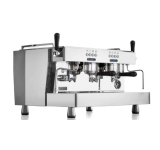
A 15-bar espresso machine like a single group commercial espresso might sound more powerful, but it doesn’t actually brew at full 15 bars. The pump can reach that level, yet an internal regulator typically brings it down to about 9 bars, which is the ideal zone for proper extraction.
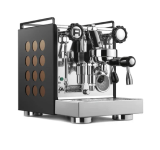
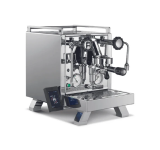
The benefit? A well-built 15-bar coffee machine like sanremo cube R which keeps the pressure steady, giving you reliable shots even when the coffee puck is dense or tightly packed.
Many models also support a gentle pre-wetting stage, where a small amount of water hits the grounds before full pressure builds. This helps reduce harshness and brings out a smoother flavour profile.
The catch? If the regulator isn’t tuned correctly, the machine can push too much pressure, causing channeling water finds weak spots in the puck and produces sour or bitter results.
So while a 15-bar pump is useful, it’s the stability and control of the pressure, not the maximum number on the box, that determine how good your espresso will be.
Now, let’s talk about 20-bar espresso machines.
At first glance, a 20 bar espresso machine sounds like it would brew a stronger, richer shot.
But here’s the truth: that high number is mostly for marketing. Even machines labeled as 20 bars typically brew around 9 to 10 bars, because that’s the pressure range where espresso truly develops its depth and balance.
Too much pressure doesn’t make your espresso better; it can actually have the opposite effect.
When the pressure climbs too high, it pushes water through the coffee too quickly, pulling out bitter flavors and leaving your shot tasting harsh or uneven.
So, what should you focus on instead? Consistency and stability. A well-calibrated 9-bar system will deliver the perfect extraction, smooth crema, and rich flavor that every great espresso relies on.
And it’s not about chasing higher numbers, it’s about choosing a machine that delivers steady pressure, reliable performance, the kind of espresso, and different types of coffee drinks you actually enjoy drinking.
Now that you understand how pressure really works, let’s see how these two machine types compare side by side.
When shopping for an espresso machine, it’s easy to assume that higher pressure means better performance. After all, a “20 bar” label sounds stronger than “15 bar,” right?
But here’s the truth, those numbers often reflect the machine’s maximum pump capacity, not the actual brewing pressure used to extract espresso.
Let’s take a closer look at the key differences between 15-bar and 20-bar espresso machines in the table below.
When it comes to espresso, pressure plays a huge role in how your shot turns out. It affects how much flavor is drawn from the coffee grounds, the quality of the crema, and even the texture of each sip. Getting the pressure right makes all the difference between a balanced espresso and one that tastes off.
Let’s break it down:
High Pressure: When the pressure is on the higher side, extraction happens quickly. This can lead to a bold, intense flavor, but if it goes too high, the espresso can turn bitter and lose its natural sweetness.
Low Pressure: Lower pressure slows the extraction process, allowing softer, sweeter notes to shine through. However, if it’s too low, the espresso might taste weak or watery, without the creamy texture you expect.
Ideal Balance: The sweet spot usually sits around 9 bars of pressure. At this level, your espresso develops a rich crema, smooth texture, and balanced flavor that hits just right.
Think of espresso pressure like finding rhythm in a song. When it’s perfectly tuned, everything comes together beautifully, giving you a cup that feels and tastes complete.
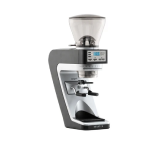
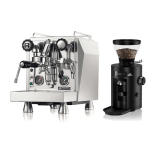
Not sure whether a 15-bar or 20-bar espresso machine makes a better shot? The Mahlkönig E65W GbS grinder from Pro Coffee Gear helps you achieve consistent pressure, rich crema, and café-quality espresso every time, no matter the machine.
When it comes to espresso, pressure and timing work hand in hand, both determine how your shot flows and how it ultimately tastes.
The way water moves through the coffee puck can mean the difference between a rich, balanced espresso and a weak, watery one.
Here’s how it plays out:
The Ideal Flow:
At the sweet spot of around 9 bars of pressure, an espresso shot should take roughly 25 to 30 seconds to extract. This timing ensures the water interacts with the coffee grounds just long enough to release their oils, aroma, and full-bodied flavor.
Too Fast:
If your espresso shoots out too quickly, the grind is probably too coarse or the pressure too high. The result is a flat, under-extracted shot that tastes thin and lacks crema. It’s a sign that your setup needs fine-tuning to achieve proper resistance.
Too Slow:
On the other hand, if the shot takes too long, the grind might be too fine or the tamping too firm. This can cause over-extraction, giving your espresso an overly bitter or burnt taste. A slight adjustment in grind size or tamp pressure can make all the difference.
Now that you know how pressure influences flow and timing, let’s look at how your machine’s pump type plays a part in that performance.
When it comes to espresso extraction, your machine’s pump and the coffee puck’s resistance work together to create that perfect balance of pressure and flavor. Each pump type behaves differently, and the way your coffee puck responds can make or break your shot.
Let’s break it down:
Rotary Pumps:
Rotary pumps are the powerhouse of commercial espresso machines. They’re designed to maintain a steady 9-bar pressure throughout the extraction, giving you consistent results with every shot.
The best part? They barely fluctuate, which means smoother flow, richer crema, and a cleaner flavor profile. If you’re chasing café-quality consistency, rotary pumps deliver it effortlessly.
Vibration Pumps:
Vibration pumps, commonly found in home espresso machines, are a bit more compact but still capable of high performance.
They can reach up to 15–20 bars, but during actual brewing, the pressure typically settles around 9 bars once resistance builds inside the coffee puck.
This makes them ideal for home users who want professional-quality espresso without the size or cost of a coffee machine of a commercial setup.
Balancing Resistance:
Even with the right pump, your grind and tamp play a massive role in how pressure builds. If the coffee is ground too fine or tamped too tightly, the machine works harder, causing pressure spikes that can lead to bitterness.
On the flip side, if the grind is too coarse or the tamp too loose, the shot gushes through, leaving you with a weak, under-extracted espresso.
Perfect extraction isn’t just about having a powerful pump, it’s about balance. Your grind size, coffee dose, and tamping technique all work hand in hand with the pump to create a smooth, flavorful shot every time.
To get the most out of your setup, explore home espresso machines with rotary or vibration pumps that deliver steady pressure and reliable flow control at Pro Coffee Gear.
Designed for precision and performance, they help you craft espresso that tastes exactly how it should, balanced, rich, and consistent.
Before you pick your next espresso machine, it’s worth looking past the marketing.
When it comes to espresso machines, those bold “15 bar” or “20 bar” labels might look impressive, but they often tell only part of the story. High pressure sounds powerful, but in reality, it doesn’t always equal better espresso. What truly matters is how well your machine maintains consistency during brewing.
Let’s break it down:
Most 15–20 bar machines actually brew at about 9 bars, the ideal range for proper extraction. What really matters is steady pressure, stable temperature, and smooth water flow.
When these stay consistent, you avoid channeling and get balanced espresso with better crema, body, and flavor, far more important than the machine’s maximum bar rating.
In simple terms, a machine with a stable 9-bar system and strong internal regulation will outperform any 20-bar model that lacks control.
When you’re choosing an espresso machine, don’t just be swayed by the big numbers on the box. Focus on what truly affects your espresso’s taste, quality components, steady pressure, and precise temperature management.
Take your espresso consistency to the next level with the Nuova Simonelli Mythos One Clima Pro Grinder from Pro Coffee Gear.
Built for precision and reliability, it delivers the perfect balance of pressure and temperature for rich, flavorful extractions. After comparing 15-bar and 20-bar espresso machines, explore how Pro Coffee Gear can help you choose the right setup for your brewing needs.
Now that you know what really matters in espresso pressure systems, let’s see how modern machines take it a step further with pressure profiling and advanced control.
When deciding between 15 bar vs 20 bar espresso machines, it all comes down to how often you brew and the kind of espresso experience you’re after. Each setup caters to different needs, whether you’re crafting your first espresso or running a busy café.
For Home Brewers:
If you’re brewing at home, a 15 bar machine with proper pressure regulation is more than enough. It delivers smooth, flavorful shots when paired with a quality burr grinder and fresh beans. Stability matters more than maximum pressure, so focus on temperature control and consistency.
For Cafés and Prosumers:
Running a café or brewing like a pro? Machines with rotary pumps and pressure profiling offer better precision and repeatability. These features let you fine-tune extraction, ensuring every cup maintains café-level quality.
For Occasional Users:
If espresso is an occasional indulgence, skip the marketing hype around higher bars. Choose a machine that’s built solid, easy to use, and maintains heat and pressure. You’ll get better results with reliability than with high-pressure claims.
If you want barista-level espresso at home or in your café, explore Pro Coffee Gear’s collection of espresso machines, tools, and accessories.
Their expertly curated range ensures you get reliable performance, temperature, and smooth extractions in every cup.
At the end of the day, choosing between a 15 bar vs 20 bar espresso machine isn’t about chasing higher pressure, it’s about consistency. A well-regulated 15-bar machine already delivers the ideal 9-bar extraction needed for rich crema and balanced flavor. Meanwhile, 20-bar ratings sound impressive but rarely affect real brewing performance.
If you want espresso that tastes great every time, prioritize pressure stability, temperature control, and a quality grinder not the biggest bar number on the box.
At Pro Coffee Gear, we believe great espresso starts with the right setup. That’s why we offer a curated range of espresso machines, barista tools, and brewing accessories to help you craft café-quality coffee at home or in your business.
Explore our collection and find the perfect equipment to match your coffee goals.
Not really. In the 15 bar vs 20 bar espresso debate, pressure alone doesn’t define strength. Espresso flavor depends more on the coffee dose, grind size, and extraction time. Around 9 bars gives the most balanced shot.
Even in 15 bar vs 20 bar espresso machines, the actual brewing pressure usually stays between 8–10 bars, thanks to internal regulators that stabilize extraction.
Yes, if unregulated. Too much pressure can lead to over-extraction and bitterness. Most 20 bar espresso machines still regulate pressure down to a safer brewing range.
Professional café machines in the 15 bar vs 20 bar espresso range typically brew at 9 bars, ensuring consistent flavor and texture with every shot.
A 15 bar espresso machine with stable pressure control is often the smarter choice. The 20 bar label sounds impressive but doesn’t always improve espresso quality.
Yes. Consistent 9-bar brewing pressure in 15 bar vs 20 bar espresso machines helps form a rich, golden crema, while uneven pressure can make it thin or patchy.
Our team can help you find the best fit based on your space, volume, and budget.
Talk to a Specialist

