Commercial Coffee Machine Water Filters

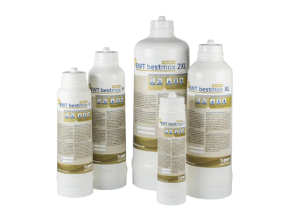
Water quality is the single most controllable variable in both espresso flavor and machine longevity. Hard water deposits calcium and magnesium scale on boiler walls, heating elements, and internal pipes. Over time, scale reduces boiler efficiency, forces the heating element to work harder, and eventually causes failure. A commercial coffee machine water filter removes these minerals before they reach the machine, protecting your investment and maintaining the stable water chemistry that consistent espresso extraction requires. Pro Coffee Gear carries water filtration systems suited to commercial espresso machines and coffee equipment. Free shipping applies on all orders and our team is available for free consultation to help you select the right filter for your machine and local water hardness.

Why Water Filtration Matters for Espresso Machine Longevity

Most espresso machine failures in commercial environments are water-related. Understanding what filtration does and what it does not do helps you select the right system for your setup.

What scale does to a machine: Hard water contains dissolved calcium and magnesium. When heated, these minerals precipitate out of solution and deposit as scale on any surface they contact: boiler walls, heating elements, heat exchangers, and pipes. Scale is a poor heat conductor, so as it builds up, the heating element has to work harder to maintain temperature. This shortens element life, increases energy consumption, and eventually causes boiler failure. A 1mm layer of scale can reduce heating efficiency by up to 10 percent.

What filtration does: A properly specified inline filter reduces the mineral load in incoming water to a level that does not cause rapid scale buildup, while retaining enough dissolved solids for good espresso extraction. Water that is too soft (zero dissolved solids) produces flat, hollow-tasting espresso. The goal is balanced mineral content, not pure water.

Filter sizing: Filter capacity should be matched to your daily water consumption and local water hardness. A filter that is under-specified for your volume will exhaust quickly and lose effectiveness. Our team can help you calculate the right filter size based on your machine, daily output, and a water hardness test result.

See also our espresso machine parts range for descaling products and maintenance supplies.

Frequently Asked Questions

Why use a water filter with an espresso machine?

Hard water deposits scale on boiler components, heating elements, and internal pipes. Scale reduces heating efficiency, increases wear on components, and eventually causes failure. A water filter reduces mineral load before it reaches the machine, extending equipment life significantly and protecting your investment. It is one of the most cost-effective maintenance tools available.

What water filter should I use for my espresso machine?

The right filter depends on your machine's water consumption, your local water hardness, and the filter's rated capacity. Start by testing your water hardness, either with a test strip or by contacting your local water utility. Then select a filter rated for your hardness level and daily volume. Our team can guide you through the selection process during a free consultation.

How often should I change a coffee machine water filter?

Filter replacement frequency depends on your water hardness and daily consumption. Most commercial filters specify a capacity in liters or a time period (typically every three to six months). In hard-water areas or high-volume environments, replacement intervals are shorter. Following the manufacturer's recommended schedule is the safest approach. Exhausted filters stop protecting the machine and may begin releasing captured minerals back into the water.

Does my coffee machine need a filter?

If your tap water is moderately hard or above, a filter is strongly recommended for any commercial or prosumer espresso machine. Even in soft-water areas, a filter that adjusts mineral balance for optimal extraction is worth considering. The cost of a filter system is negligible compared to the cost of a boiler replacement or early machine failure from untreated scale buildup.