


Perfect Pressure for Bar Pump Espresso Machines
|
|
Time to read 10 min
Your Cart
Your cart
Favorites





Shop by Brands

Shop by Brands
Shop by Brands


Shop by Brands


Shop by Brands
Shop by Brands
|
|
Time to read 10 min
Ever wondered why one espresso shot is velvety smooth while another tastes sharp and bitter, even when using the same beans and machine? The secret often isn’t in the coffee itself but in the invisible force behind it: pressure.
Think of espresso pressure as a conductor in an orchestra, guiding water through tightly packed coffee grounds to create a perfect harmony of aroma, crema, and flavor. Too much pressure, and the melody becomes harsh; too little, and it falls flat. Baristas spend years mastering this delicate balance; a few bars can make all the difference between brilliance and disappointment.
Understanding how pressure interacts with grind size, tamping, and flow rate reveals the true art of espresso brewing. In this blog, we’ll explore what makes espresso pressure so critical and how mastering it leads to consistently exceptional shots every single time.
Achieving optimal espresso requires precise 9-bar pressure to balance flavor and create rich crema.
Vibration pumps are ideal for home use, while rotary pumps excel in high-volume café environments.
Grind size, tamping, and dosage directly influence extraction pressure consistency.
Regular calibration and maintenance prevent pressure-related issues and uneven shots.
Adjust pressure based on roast type for optimal flavor and extraction balance.
A bar pump espresso machine is designed to deliver the optimal pressure required to extract rich, balanced espresso shots consistently. It uses a mechanical pump to push hot water through finely ground coffee at high pressure, usually around 9 bars, creating the perfect blend of crema, aroma, and body.

Typically, espresso grind sizes range from 18 to 20 on a standard burr grinder, depending on bean type and roast, to provide proper resistance for optimal extraction.
Now that you understand the purpose behind a bar pump espresso machine, let’s explore the key aspects that define its performance:
Pressure-Based Extraction: Uses consistent pump pressure to extract flavors evenly and produce a thick crema layer.
Thermal Stability: Maintains precise water temperature for balanced flavor extraction in every shot.
Consistent Flow Rate: Ensures uniform water distribution across coffee grounds to prevent under- or over-extraction.
Built-In Pump Mechanism: Replaces manual lever effort, offering automation with precision control.
Efficient Brewing Cycle: Delivers espresso faster while preserving full-bodied flavor and aroma.
Adaptable Pressure Range: Some machines allow adjustable bar pressure for different roast types or brewing styles.
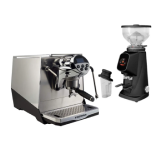
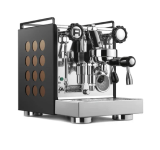
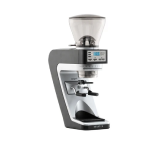
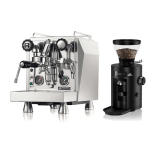
Struggling to deliver consistently premium espresso in your café? The Rocket Boxer Timer Evo, paired with the Anfim Luna grinder from Pro Coffee Gear, combines precise brewing and effortless grinding, helping you serve smooth, café-quality drinks every time.
Now that you understand what a bar pump espresso machine is and how it delivers consistent espresso, let’s explore the science behind espresso pressure and how it shapes flavor, crema, and overall extraction quality.
Perfect espresso depends on precision, not luck. In a bar pump espresso machine, water pressure is the force that extracts the coffee’s oils, sugars, and acids into a balanced shot. Whether you’re pulling a single espresso or brewing for multiple guests, maintaining optimal pressure ensures consistent flavor and texture across every cup.
Now that you understand how crucial pressure is, let’s explore how it directly affects taste, texture, and the signature crema you aim to achieve.
Pressure determines how deeply and evenly water extracts soluble compounds from coffee grounds.
Let’s break down how consistent pump pressure enhances espresso quality:
Flavor Extraction: Proper pressure extracts a balanced mix of acids, oils, and sugars, avoiding sour or bitter notes.
Aroma Intensity: Stable flow ensures aromatic compounds remain concentrated for a fuller sensory experience.
Crema Formation: Adequate pressure emulsifies oils, creating the golden-brown crema that crowns every espresso shot.
Mouthfeel Consistency: Even extraction produces a smooth, syrupy texture without harshness or thinness.
Shot Stability: Maintaining steady pressure prevents channeling and ensures even flow during extraction.
A bar pump espresso machine typically operates around 9 bars of pressure, the sweet spot for optimal extraction.
Understanding why this range matters helps you fine-tune your brewing process:
9-Bar Standard: Ensures balanced extraction, capturing complex flavors without over-pulling bitterness.
Lower Pressure (6–8 bars): Produces lighter shots with higher acidity and less body, ideal for mild blends.
Higher Pressure (10–12 bars): Enhances intensity but can cause over-extraction if not balanced with grind and tamp.
Consistent Flow Rate: Steady pressure keeps water moving uniformly through the coffee puck.
Pump Calibration: Regularly check the pump output to ensure your machine consistently hits the desired range.
Even minor pressure fluctuations can affect espresso quality. Here’s how to identify and fix the most frequent pressure problems:
Low Pressure: Leads to weak, under-extracted espresso.
Solution: Adjust the grind finer or check pump calibration.
High Pressure: Causes bitter flavors and uneven flow.
Solution: Use a coarser grind or reduce the dose slightly.
Pressure Surges: Create channeling and thin crema.
Solution: Ensure even tamping and consistent puck density.
Inconsistent Shots: Result from unstable pump operation.
Solution: Maintain the machine regularly and monitor the pressure gauge.
No Pressure Build-Up: Could indicate air in the system or blocked filters.
Solution: Flush the group head and clean filters before use.
Now that you grasp how espresso pressure influences flavor and crema, it’s time to learn how to achieve the perfect pressure for consistently balanced shots.
Precision in pressure is what separates an average espresso from an exceptional one. In a bar pump espresso machine, every bar of pressure determines how efficiently water interacts with your coffee grounds. Whether you’re perfecting your daily shot or dialing in for a busy café setting, mastering the proper pressure ensures uniform extraction, balance, and flavor depth.
 Now that you know how espresso pressure influences flavor, aroma, and crema, let’s explore how to set and adjust it for consistently barista-level results.
Every espresso machine has its sweet spot, but your control over it defines the quality in the cup.
Here’s how to achieve and maintain the ideal range for your espresso:
Standard Range (8–9 bars): Produces rich, balanced espresso with full flavor and proper crema.
Lower Range (6–7 bars): Highlights brightness and acidity, ideal for light roasts.
Higher Range (10–11 bars): Intensifies body and bitterness, suitable for darker roasts when balanced correctly.
Pressure Stability: Fluctuations cause uneven extraction, ensuring consistent pump output.
Warm-Up Time: Allow the machine to reach optimal operating pressure before pulling shots.
Even the best bar pump espresso machine can underperform if your grind, tamp, or dose is off. These three elements directly shape how water moves through the coffee puck.
Let’s look at how each one interacts with pressure control:
Grind Size: Too fine increases resistance, leading to over-extraction; too coarse lowers pressure and weakens flavor.
Tamping Force: Even, firm tamping (around 30 lbs of pressure) ensures water flows evenly through the grounds.
Dosage Control: Overdosing restricts flow; underdosing causes under-extraction and thin shots.
Uniform Puck Density: Prevents channeling and helps maintain even pressure across the coffee bed.
Adjustment Discipline: Change one variable at a time to fine-tune pressure efficiently.
Different roasts respond uniquely to water pressure, affecting flavor and balance in your cup.
Here’s how to optimize your pressure based on roast level:
Light Roasts: Lower pressure (7–8 bars) enhances acidity and brings out floral or fruity notes.
Medium Roasts: The standard 9-bar range maintains balance and clarity between sweetness and body.
Dark Roasts: Slightly higher pressure (9.5–10 bars) emphasizes boldness and crema richness.
Blend Adaptation: Adjust pressure slightly depending on bean density and blend composition.
Taste Calibration: Pull multiple test shots to find your flavor sweet spot for each roast.
With the perfect pressure dialed in, understanding the pump system behind your machine becomes essential to maintain consistency and control.
The pump system is the engine of every bar pump espresso machine, determining water pressure stability and overall extraction quality. Whether it's a single shot at home or handling a morning rush in a café, understanding pump types helps you choose performance that matches your workflow, noise preference, and consistency needs.
Now that you understand how pressure influences extraction, it’s time to explore the two central pump systems that drive espresso machines and how each impacts performance and reliability.
The pump type defines how your espresso machine generates and maintains brewing pressure.

Here’s how these two systems differ in operation and application:
Vibration Pump: Compact, affordable, and ideal for home machines due to their simplicity and easy maintenance.
Rotary Pump: Quieter, faster, and capable of maintaining steady pressure for continuous use, perfect for professional setups.
Pressure Consistency: Rotary pumps provide smoother, more stable flow, while vibration pumps may show minor fluctuations during extraction.
Connection Setup: Vibration pumps use water tanks, whereas rotary pumps usually connect directly to plumbing.
Durability: Rotary pumps generally outlast vibration types under heavy-duty use.
Choosing between pumps depends on your brewing environment, frequency, and preference for control versus convenience.
Here’s a breakdown of what each offers:
Vibration Pump Pros
Compact and space-saving design
Affordable and energy-efficient
Easy to replace and maintain
Suitable for home or small café setups
Vibration Pump Cons
Louder operation during extraction
Less pressure consistency over long runs
Not ideal for high-volume environments
Rotary Pump Pros
Quiet operation for a peaceful brewing experience
Long-lasting and highly durable
Maintains stable pressure across multiple shots
Perfect for professional or high-volume cafés
Rotary Pump Cons
Larger and requires more space
Higher initial cost
Complex installation due to plumbing requirements
Requires professional servicing for maintenance
Selecting the right pump depends on how and where you brew. Each has strengths suited to brewing demands.
Here’s how to decide which fits your setup best:
Home Use: Vibration pumps are perfect for small spaces, moderate use, and budget-friendly espresso setups.
Small Café or Office: Rotary pumps offer the durability and quiet operation needed for frequent brewing
High-Volume Environments: Rotary pumps maintain steady output for continuous shots during peak hours.
Portability Factor: Vibration pumps work well for mobile or compact setups.
Longevity Focus: Rotary pumps deliver long-term reliability if daily demand is consistent and high.
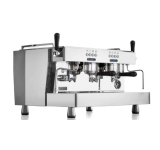
Looking for consistently premium espresso in your café? The Rocket RE Doppia with the Mahlkönig E65W GBS grinder at Pro Coffee Gear delivers dual boiler precision and Grind-by-Sync technology, guaranteeing smooth, café-quality drinks in every cup.
Once you know the pump system powering your espresso machine, it’s easier to anticipate potential pressure issues. Understanding common problems and their fixes ensures every shot maintains consistent flavour, crema, and body.
Even the most advanced bar pump espresso machine can face pressure inconsistencies that affect taste, crema, and shot quality. Whether it’s a slow extraction, a sudden drop in flow, or an uneven shot, pressure-related issues often trace back to overlooked maintenance, grind consistency, or water flow irregularities.

Now that you understand how different pump systems influence performance, let’s go through the most common pressure problems you might encounter, and the practical fixes to restore consistent espresso extraction.
Low Pressure During Extraction: If the pump doesn’t reach the ideal pressure, espresso comes out watery and lacks body.
Fix: Use a finer grind (around 18–20 on a standard burr grinder) to increase resistance, apply firm, even tamping (≈30 lbs), and ensure a correct coffee dose (18–20g for a double shot). Check pump calibration.
Overpressure Causing Bitter Shots: Excessive pressure can cause over-extraction, producing dark, harsh flavors.
Fix: Use a slightly coarser grind to reduce resistance, loosen tamping force if overly firm, and inspect the overpressure valve (OPV). Adjust dose to avoid puck over-compression.
Inconsistent Pressure Between Shots: Fluctuating pressure affects flavor consistency and crema quality.
Fix: Ensure the grind is consistent, clean the group head, and verify the pump inlet isn’t blocked. Check water line pressure and perform regular descaling.
Pressure Spikes During Brewing: Sudden jumps in pressure often indicate a clogged filter basket or scale buildup in the line.
Fix: Check grind size; too fine can increase pressure spikes. Backflush the machine, clean the portafilter, and use filtered water to minimize future buildup.
Pump Not Building Pressure at All: If the pump operates but no pressure builds, water may not be reaching the group head effectively.
Fix: Verify water reservoir levels, inspect intake hoses for blockages, check pump connections, and replace worn gaskets. Ensure the grind isn’t overly coarse, which can reduce resistance.
Perfecting espresso starts with mastering pressure control in your bar pump espresso machine. Understanding how pressure influences extraction, flavor, and texture allows you to produce balanced shots every time. In this blog, you’ve learned exactly how to achieve that balance.
For tools, accessories, and parts that support professional coffee workflows, Pro Coffee Gear offers a curated collection built for durability and performance. By integrating these tools into your setup, you can enjoy cleaner, more flavorful espresso every time, while streamlining your daily routine for maximum enjoyment and performance.
Don’t settle for ordinary; upgrade your café setup today and serve flawless, barista-level espresso your customers will love.
Low pressure leads to under-extraction, resulting in sour, watery espresso with weak crema. It often indicates an issue with grind size, tamping force, or pump performance. Adjusting these factors and maintaining proper machine calibration helps restore ideal pressure and flavor balance.
Yes, many bar pump espresso machines allow manual pressure adjustments through an overpressure valve or internal control. However, adjustments should be made carefully, ideally following the manufacturer’s guidelines, to prevent damage and ensure the machine consistently delivers optimal extraction pressure.
Pressure calibration should be verified every 3 to 6 months, depending on usage frequency. Regular calibration ensures stable performance and consistent shot quality. Commercial setups may require more frequent checks to handle continuous brewing demands and maintain precise extraction control.
Yes, slight variations can occur. dGrind irregularities, scale buildup, or worn pump components often cause inconsistent pressure, while stable pressure is maintained since the flow is steadier. Proper grind adjustment ensures both shot types extract evenly and taste balanced.
Grind irregularities, scale buildup, or worn pump components often cause inconsistent pressure. Regular cleaning, descaling, and using properly filtered water minimize these fluctuations and help the bar pump espresso machine maintain steady, ideal brewing conditions.
Our team can help you find the best fit based on your space, volume, and budget.
Talk to a Specialist

