


Mahlkonig EK43 vs Ditting 807: Which Grinder Should You Buy? (2026)
|
|
Time to read 7 min
Your Cart
Your cart
Favorites





Shop by Brands

Shop by Brands
Shop by Brands


Shop by Brands


Shop by Brands
Shop by Brands
|
|
Time to read 7 min
Our pick for most cafes and roasteries: the Mahlkonig EK43. Its 98mm flat steel burrs and 19 to 21 grams per second output make it the reference filter and espresso grinder for high volume bars and cupping tables.
The Ditting 807 Filter is the smarter buy when space, noise and heat matter more than raw speed. Its 80mm burrs, two cooling fans and quieter design suit a smaller bar or a dedicated filter station.
Both use flat steel burrs and both are built for daily commercial life. The EK43 is the workhorse, the 807 is the compact specialist.
|
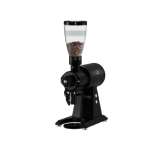
Mahlkonig EK43 |
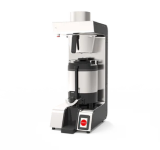
Ditting 807 Filter |
|
|
Our rating |
4.7 / 5 |
4.4 / 5 |
|
Best for |
High volume filter, espresso and cupping |
Compact, quiet, cool-running filter station |
|
Key difference |
Larger 98mm burrs, much faster output |
Smaller footprint, active fan cooling, quieter |
Customers rate the Mahlkonig EK43 4.8 out of 5 across 36 reviews.
Choosing between the Mahlkonig EK43 and the Ditting 807 Filter usually comes down to one question: how much coffee are you grinding, and where does the grinder have to live? Both are legendary flat burr grinders trusted by professionals, but they solve the problem at different scales.
The EK43 is the grinder that defined modern filter coffee. It is big, fast and unfussy, and it earned its place on cupping tables and busy espresso bars around the world.
The Ditting 807 comes from the same commercial pedigree, since Ditting has built burr sets for decades. It targets the operator who wants that Swiss grind quality in a quieter, cooler and more compact package. This guide breaks down where each one pulls ahead.

Both grinders run flat steel burrs and both handle everything from Turkish fine to coarse cold brew. The decisions come down to burr size, output speed, footprint, heat management and noise.
|
What matters |
Mahlkonig EK43 |
Ditting 807 Filter |
|
Burr size |
98mm flat steel |
80mm flat steel |
|
Grinding capacity |
19 to 21 g/s |
7.5 g/s |
|
Cooling |
Passive |
Two active fans |
|
Footprint and height |
Taller, 32.6 in high |
Shorter, 21.1 in high |
|
Weight |
57 lbs |
39.46 lbs |
These specs are pulled from the live Pro Coffee Gear product pages for each grinder. Side by side you can see the EK43 is the larger, faster machine, while the 807 is lighter, shorter and lower on power draw.
|
Specification |
Mahlkonig EK43 |
Ditting 807 Filter |
|
Manufacturer |
Mahlkonig |
Ditting |
|
Burr type |
Flat steel |
Flat steel |
|
Burr diameter |
98 mm |
80 mm |
|
Burr speed |
1450 rpm (50 Hz) to 1760 rpm (60 Hz) |
Not published |
|
Grinding capacity |
19 to 21 g/s |
7.5 g/s |
|
Bean hopper capacity |
1.1 lbs |
1.12 lbs |
|
Dimensions (W x D x H) |
9.0 x 16.1 x 32.6 in |
8.9 x 13.9 x 21.1 in |
|
Power |
110 to 120 V, 1300 W |
120 V, 500 W, 6 A |
|
Weight |
57 lbs |
39.46 lbs |
|
Certification |
IEC/EN 60335, ANSI/UL 763, CSA, CE, CB, ETL Safety, ETL Sanitation |
CB, UL/CSA, NSF, KTL, EAC |
Winner: Mahlkonig EK43. The EK43 runs premium 98mm cast steel flat burrs, and that extra diameter is the whole point. Larger burrs produce a wider particle spread that many baristas prize for filter clarity and high extraction.
The Ditting 807 answers with hardened 80mm steel flat burrs from a manufacturer that has supplied burr sets for generations. They are precise and consistent, just set in a smaller platform.
Both are heavy commercial builds. The EK43 tips the scale at 57 lbs against the 807 at 39.46 lbs, which tells you which one is engineered for the highest throughput.
Winner: Mahlkonig EK43, clearly on speed. With output rated at 19 to 21 grams per second, the EK43 fills a filter batch or a run of espresso doses far quicker than almost anything in its class. On a busy bar that speed keeps the queue moving.
The Ditting 807 grinds at 7.5 grams per second, which is still plenty for a steady filter station but noticeably slower per dose. In return you get a grinder engineered for clean, centered output with minimal retention.
In the cup both deliver professional grade grind quality across filter, espresso and coarse brew methods. If you dose one shot at a time the gap narrows, but for volume the EK43 pulls well ahead.
Winner: Ditting 807 Filter. This is where the smaller grinder earns its keep. Two active fans keep the 807 cool during long sessions, which helps grind consistency and burr life, and it is engineered to run quietly.
The 807 also uses upgraded detachable spouts and an adjustable slide for clean, centered output with minimal retention, so single dosing and swapping between coffees is tidy. At 21.1 inches tall and under 40 lbs, it fits under low shelves and moves more easily.
The EK43 is louder, taller at 32.6 inches, and passively cooled, so it demands more counter space and a little more tolerance for noise. It is happiest as a fixed, high volume station rather than a grinder you reposition often.
Winner: depends on volume. If you grind at high volume, or you want the industry reference for filter and cupping, the EK43 justifies its size and cost through sheer output and its proven track record.
If your bar is smaller, or you want a quieter, cooler and more compact grinder for a dedicated filter station, the Ditting 807 delivers commercial grind quality without the footprint. For many operators that is the better use of the money and the counter.
The Mahlkonig EK43 is for the high volume bar, roastery or cupping lab. If you push a lot of filter and espresso, run a cupping table, or simply want the grinder that set the standard, the EK43 is built for you. Its 98mm burrs and fast output are made for relentless daily service.
The Ditting 807 Filter is for the operator who values space, quiet and cool running. If you want a dedicated filter grinder that stays tidy, fits a compact bar and runs calmly through the day, the 807 gives you Ditting grind quality in a friendlier footprint.
Both are excellent commercial flat burr grinders. The right pick depends on volume, space and how much noise and heat you can live with.
Best for high volume filter and espresso: Mahlkonig EK43. Its 19 to 21 g/s output keeps a busy queue moving.
Best for cupping and roastery use: Mahlkonig EK43. The 98mm burrs and wide particle spread are a cupping table standard.
Best for a compact bar: Ditting 807 Filter. At 21.1 inches tall and under 40 lbs it fits where the EK43 will not.
Best for a quiet, cool-running station: Ditting 807 Filter. Two active fans and quiet engineering suit long sessions.
Best for a dedicated single-dose filter setup: Ditting 807 Filter. Detachable spouts and low retention keep output clean.
Both of these grinders sit at the professional end, so stepping up is less about tier and more about matching the grinder to your exact volume and bench. If you are cross-shopping, it helps to see how each compares to the wider commercial field.
You can weigh burr size, output and footprint across the full range in our Commercial Espresso Grinders collection. That makes it easier to confirm whether the EK43, the 807, or another commercial grinder is the right fit for your bar.
The Mahlkonig EK43 is in stock now, and the Ditting 807 Filter is available in limited quantity, so it is worth checking current stock before you order.
You can compare live pricing and the rest of the lineup in our Commercial Espresso Grinders collection. Every commercial grinder ships with the same Pro Coffee Gear support behind it.
Free shipping within the contiguous US
Manufacturer warranty on every commercial grinder
Lifetime Pro support: setup, dialing in and troubleshooting
The Mahlkonig EK43 and Ditting 807 Filter are both proven flat burr grinders, but they are built for different benches.
The EK43 wins on burr size and speed, with 98mm burrs and 19 to 21 g/s output that make it the reference for high volume filter, espresso and cupping. The 807 wins on footprint, noise and heat, with 80mm burrs, active fan cooling and a compact, quiet design.
For most high volume operations, the Mahlkonig EK43 is the grinder to buy. Choose the Ditting 807 Filter if space, quiet and cool running matter more than raw speed. Not sure which fits your bar? Call our team or book a consultation and we will help you choose.
For high volume filter, espresso and cupping, yes. The EK43 uses larger 98mm burrs and grinds at 19 to 21 grams per second, far faster than the 807 at 7.5 grams per second. If your volume is lower and you want a quieter, cooler and more compact grinder, the Ditting 807 is the better value.
Burr size, output speed and footprint. The EK43 has 98mm burrs, faster output and a taller, heavier body at 57 lbs. The 807 has 80mm burrs, slower but clean output, active fan cooling, quieter operation and a shorter, lighter 39.46 lb build.
For a smaller bar, the Ditting 807 Filter is often the smarter choice. At 21.1 inches tall and under 40 lbs it fits compact benches, its two fans keep it cool through the day, and it is engineered to run quietly next to the counter.
Both are commercial grinders with steel flat burrs that respond well to regular cleaning. The Ditting 807 adds upgraded detachable spouts and an adjustable slide for clean, centered output with minimal retention, which helps when you switch between coffees or single dose.
Yes. The EK43 offers versatile settings for filter, espresso and even Turkish fine grinding, and the Ditting 807 adjusts from Turkish fine all the way to very coarse for cold brew. Both cover the full range of brew methods with professional grade consistency.
Our team can help you find the best fit based on your space, volume, and budget.
Talk to a Specialist

