


Common Coffee Machine Problems and Solutions: A Practical Troubleshooting Guide
|
|
Time to read 15 min
Your Cart
Your cart
Favorites





Shop by Brands

Shop by Brands
Shop by Brands


Shop by Brands


Shop by Brands
Shop by Brands
|
|
Time to read 15 min
Coffee machines are supposed to make life easier. Press a button, pull a shot, steam some milk, and move on with your day. But when something goes wrong, even something minor, it can turn a quick routine into a guessing game. The water stops flowing. The coffee tastes off. The grinder sounds like chirping, a high-pitched whine, or stalling. The steam disappears.
For most users, the problem is not the machine itself. It’s not knowing what part is causing the issue or how simple many fixes actually are.
From clogged lines and heating problems to grinder jams and pressure issues, most coffee machine problems have clear causes and straightforward solutions once you understand how the system works.
In this guide, we’ll walk through the most common coffee machine problems and solutions in plain language, explain why they happen, and show you practical ways to fix or prevent them without unnecessary service calls.
Most coffee machine issues and fixes relate to water quality, mineral buildup, worn seals, or blocked brew paths rather than major mechanical failure.
Understanding your machine type, whether drip, espresso, or super-automatic, makes troubleshooting faster and more accurate.
Grinder performance directly affects extraction quality, so cleaning and calibrating burrs is just as important as cleaning the brew system.
Preventive maintenance such as descaling, filter replacement, and gasket checks significantly reduces long-term repair costs.
Many issues can be resolved with basic inspection and cleaning, but recurring faults may indicate pump, sensor, or electrical problems that require professional service.
When a coffee machine starts acting up, the symptoms often look dramatic but point to very specific, repeatable problems. Power failures, leaks, poor taste, or strange sounds usually stem from water flow issues, temperature instability, scale buildup, or worn internal parts.
Note: Unplug the machine before inspecting internals. Let it cool. Steam/boilers are pressurized.
Below are the most common coffee machine problems users encounter:
|
Symptom |
Most Likely Cause |
Fast Fix |
|---|---|---|
|
No water coming out |
Air in pump or scale blockage |
Prime the machine and descale |
|
Machine leaking water |
Worn gasket or loose hose |
Reseat tank and inspect group gasket |
|
Coffee tastes bitter |
Over-extraction or dirty brew path |
Coarsen grind and backflush |
|
Coffee is lukewarm |
Scale on heating element or poor preheating |
Preheat machine and descale |
|
Steam is weak |
Clogged steam tip or scale buildup |
Purge wand and clean steam tip |
|
Grinder not working |
Oily buildup or foreign object |
Clean burr chamber |
|
Coffee sprays unevenly |
Blocked shower screen |
Remove and clean shower screen |
|
Loud pump noise |
Air in system or low water |
Refill tank and re-prime |
When a coffee machine shows no signs of life, the issue often relates to power supply or internal safety controls.
Symptoms:
No lights, no sound, no response when pressing power.
Likely Causes:
Loose or faulty power connection
Tripped breaker or blown fuse
Internal thermal fuse failure
Control board issue (automatic machines)
Quick Checks:
Test the outlet with another appliance
Inspect the power cable for visible damage
Check if the breaker has tripped
Ensure the machine is fully cooled if it overheated previously
Fix:
Reset the breaker if needed
Allow the machine to cool and attempt restart
Replace external fuse if accessible
When to Call Service:
If the machine remains unresponsive after confirming power supply, internal electrical components or control boards require professional diagnosis.
A coffee machine leaking from the bottom is one of the most common mechanical issues.
Symptoms:
Water pooling under the machine or dripping during brewing.
Likely Causes:
Worn group head gasket
Loose hose clamps
Cracked internal tubing
Tank valve leak
OPV (overpressure valve) discharge
Quick Checks:
Remove and reseat the water tank
Inspect around group head while brewing
Confirm drip tray alignment
Unplug the machine before opening any panels
Note: If it involves wiring, boiler fittings, or pressurized parts, stop and use a technician.
Fix:
Replace worn group gasket
Tighten visible hose clamps
Replace cracked tubing if accessible
Ensure tank valve seals properly
When to Call Service:
If water leaks internally near electrical wiring or from boiler areas.
If the machine powers on but no water comes through the brew head or spout, here are some possible reasons.
Likely Causes:
Empty or misaligned water tank
Air trapped in the pump (loss of prime)
Kinked intake hose
Blocked shower screen
Severe scale buildup
Quick Checks:
Confirm the tank is full and seated correctly
Inspect intake hose for bends
Remove and examine shower screen
Listen for pump strain or irregular sound
Fix:
Prime the system: fill tank, reseat it, and run the hot water or steam function for 30–60 seconds to pull water through
Clean shower screen thoroughly
Descale the machine if flow remains weak
When to Call Service:
If priming and descaling do not restore water flow, the pump or solenoid valve may need replacement.
Built-in grinders can stop working when fine particles accumulate inside the burr chamber.
Likely Causes:
Oily beans causing buildup
Worn burrs
Quick Checks:
Remove hopper and inspect burr area
Check for foreign debris
Evaluate burr sharpness
Fix:
Clean burr chamber thoroughly
Remove debris
Replace worn burrs if grinding remains inconsistent
When to Call Service:
If grinder motor runs but burrs do not rotate properly.
When coffee suddenly brews weak or watery, grind size inconsistency is often the culprit.
Likely Causes:
Burr wear
Grind setting drift
Calibration misalignment
Quick Checks:
Check grind setting position
Inspect burr edges for dullness
Fix:
Adjust grind finer
Recalibrate grinder if adjustable
Replace burrs if significantly worn
When to Call Service:
If grinder adjustment no longer affects grind consistency.
Bitter flavor rarely comes from the beans alone. It typically signals over-extraction or residue buildup.
Symptoms:
Burnt, dry, or unpleasantly sharp flavor.
Likely Causes:
Grind too fine
Excessive dose
Brew temperature too high
Dirty brew components
Quick Checks:
Time the shot (is it running too slow?)
Check dose weight
Inspect shower screen for buildup
Fix:
Coarsen grind slightly
Reduce dose
Shorten yield (stop extraction earlier)
Lower brew temperature if adjustable
Clean shower screen and backflush espresso machines
When to Call Service:
If taste remains harsh after grind, dose, and cleaning adjustments, temperature control components may need calibration.
Coffee should brew near boiling temperature. Lukewarm output points to heating inefficiency.
Symptoms:
Coffee lacks proper heat even when machine indicates ready.
Likely Causes:
Insufficient warm-up
Cold portafilter
Scale on heating element
Failing thermostat
Quick Checks:
Confirm 15–25 minute warm-up
Check if portafilter is warm
Run a blank shot and test temperature
Fix:
Preheat cups with hot water
Flush hot water through group head
Keep portafilter locked in during warm-up
Descale machine
When to Call Service:
If temperature remains inconsistent after descaling, thermostat or PID components may require inspection.
Weak steam pressure usually mean restricted airflow or boiler performance loss.
Symptoms:
Steam sputters or milk takes too long to texture.
Likely Causes:
Clogged steam tip holes
Milk residue buildup
Scale in steam circuit
Incorrect boiler pressure settings
Quick Checks:
Purge steam wand
Remove and inspect steam tip
Listen for stable boiler pressure sound
Fix:
Soak steam tip in hot water
Clear tip holes with fine cleaning tool
Descale steam circuit
Check pressurestat or PID settings (do not adjust unless familiar with calibration)
When to Call Service:
If steam pressure remains weak after cleaning and descaling.
Daily wand cleaning and periodic descaling prevent most steam-related problems.
Grinding sounds, loud vibration, or rattling often indicate mechanical strain.
Likely Causes:
Pump drawing air
Scale restricting water
Loose internal parts
Quick Checks:
Confirm tank water level
Inspect for visible loose panels
Listen for consistent pump rhythm
Note: If it involves wiring, boiler fittings, or pressurized parts, stop and use a technician.
Fix:
Re-prime machine
Descale if scale suspected
Tighten accessible external screws
When to Call Service:
If grinding or pump noise worsens or becomes irregular.
If water sprays sideways or flows irregularly, the brew head is likely blocked.
Likely Causes:
Clogged shower screen
Blocked dispersion plate
Worn screen screw gasket
Quick Checks:
Remove shower screen
Inspect for buildup
Fix:
Clean or replace shower screen
Clean dispersion plate
Replace screw gasket if needed
When to Call Service:
If spray pattern remains uneven after full cleaning.
Fixing problems is useful, but preventing them is far easier and far cheaper.
Before troubleshooting any issue, you need clarity on what kind of machine you’re working with. A drip brewer, a heat-exchanger espresso machine, and a super-automatic system operate on very different mechanics. The way water is heated, how the espresso machine's low pressure is generated, and how coffee is extracted determine both performance and failure points.
When you understand the machine type first, diagnosing coffee machine issues and solutions becomes much more straightforward:
Coffee machines fall into two broad categories: gravity-based brewing and pressure-based brewing. Each uses different internal systems.
These machines rely on hot water moving through coffee grounds using gravity or immersion. They are mechanically simpler and generally easier to maintain.
Drip Coffee Makers
Drip machines heat water to ideally 195–205°F. and pass it through medium-ground coffee held in a filter basket. The brewed coffee drips into a carafe below.
Internally, most drip machines include:
A water reservoir
A heating element
A one-way valve
A spray head
A filter basket and carafe
Common issues include scale buildup in the heating tube and clogged spray heads.
Pour-Over Brewers
In pour-over devices, you control water flow, saturation time, and pouring pattern. Since there are no pumps or electrical components, troubleshooting is minimal.
Problems usually stem from grind size, pouring technique, or filter choice rather than mechanical failure.
Mocha Pot
A Mocha pot uses steam pressure generated on a stovetop to push water through coffee grounds. It produces a concentrated brew that resembles espresso but without the 9 bars of pressure required for true espresso extraction.
Key components include:
Lower water chamber
Funnel filter basket
Upper chamber
Safety valve
Clogged filters or worn gaskets are common failure points.
Pressure-based systems are more complex and require stronger internal components. These machines are where most technical coffee machine problems occur.
Espresso Machines
Espresso machines force hot water through finely ground coffee at approximately 9 bars. This requires a pump, heating system, and pressure-regulating valves.
There are several subtypes:
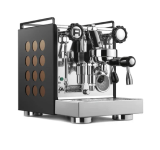
Home Prosumer (Heat Exchanger or Dual Boiler)
These machines use internal boilers to generate stable brewing and steaming temperatures.
Heat Exchanger (HX) machines use a single boiler for both brew and steam.
Dual Boiler machines separate brew and steam systems for tighter temperature control.
Internal components typically include:
Pump (vibration or rotary)
Boiler(s)
Heating element
Group head
Pressure gauge
Solenoid valves
Common problems often involve scale in boilers, worn gaskets, or pump strain.
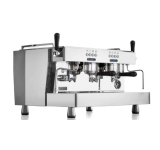
Commercial Multi-Group Machines
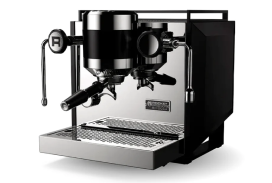
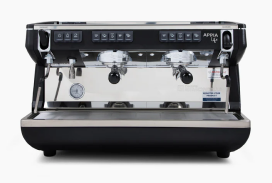
Designed for high-volume cafés, these machines include large boilers, rotary pumps, and multiple group heads. They are built for continuous operation.
Because they operate under heavy load, regular maintenance is critical. Failure often occurs due to scale buildup, pressure loss, or neglected wear parts like group seals.
Super-Automatic / Bean-to-Cup Machines
Super-automatic machines handle grinding, dosing, tamping, brewing, and often milk frothing automatically. They combine grinder, brew group, pump, and milk systems into one enclosed unit.
While convenient, these machines contain:
Integrated burr grinders
Brew chamber assemblies
Internal milk circuits
Sensors and electronic boards
Most issues arise from milk line clogs, grinder blockages, or internal brew group residue.
Pod / Capsule Machines
These systems use pre-measured coffee capsules and rely on small internal pumps and thermoblock heaters.
They require less calibration but have limited serviceability. Failures typically involve pump wear, capsule puncture mechanism issues, or heating element faults.
Once you know the category of machine you own, the next step is understanding what’s happening inside it.
No matter which type of coffee machine you own, most models rely on the same core systems. Understanding these internal parts makes espresso machine troubleshooting far easier because nearly every issue, from weak coffee to pressure loss, traces back to one of these components.

Here’s what’s happening inside your machine when you press brew.
The water source is where everything begins. Home machines usually use a removable reservoir, while commercial machines often connect directly to a water line.
If water flow is inconsistent, air is trapped, or the reservoir isn’t seated properly, brewing performance drops immediately. Hard water also introduces mineral buildup, which affects nearly every downstream component.
Coffee must brew within a tight temperature range, typically 195°F to 205°F. Machines achieve this through one of three systems:
Thermoblock: Heats water on demand as it passes through a heated metal block. This design is common in compact and entry-level machines. It allows faster startup times but can be less temperature-stable during back-to-back brewing compared to boiler systems.
Single Boiler: Stores and heats water in a tank. Used in many espresso machines.
Dual or Multi-Boiler Systems: Separate brew and steam heating circuits for greater stability.
When coffee tastes sour or weak, inconsistent temperature is often the cause. Scale buildup on heating elements is one of the most common failures in both drip and espresso machines.
Pressure matters most in espresso machines. A pump forces hot water through finely ground coffee at around 9 bars of pressure.
There are two main types:
Vibration pumps: Compact and common in home machines, but louder.
Rotary pumps: Quieter, more durable, and typical in commercial setups.
If espresso shots are thin, noisy, or inconsistent, the pump or pressure system is usually involved.
The brew group is where extraction happens. In espresso machines, this includes the group head, portafilter, and shower screen. In super-automatic machines, it’s a sealed internal brew unit.
Clogs, worn gaskets, or uneven distribution inside this area can cause channeling, leaks, or poor extraction. Regular cleaning here prevents most pressure-related issues.
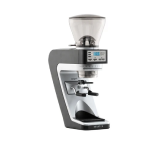
Machines with built-in grinders rely on burr sets to produce a consistent grind size. Burr wear or incorrect settings directly affect extraction quality.
Flat burrs generally offer tighter particle distribution, while conical burrs run cooler and quieter. If coffee suddenly tastes different or extraction slows down, grind consistency should be checked before assuming machine failure.
These components regulate water direction, pressure release, and shot volume.
Solenoid valves control water flow and relieve pressure after brewing.
Flow meters measure water output for volumetric dosing.
When a machine continues dripping after brewing or fails to dispense a programmed amount, these parts are often responsible.
In espresso and super-automatic machines, steam systems create microfoam by injecting pressurized steam into milk.
Low steam pressure usually points to scale in the boiler or blocked steam tips. Milk systems in automatic machines require daily cleaning, as dried milk residue can quickly restrict airflow.
These small rubber components maintain pressure and prevent leaks. Over time, heat and pressure cause them to harden or crack.
Most leaks around the group head or underneath a machine are resolved by replacing worn gaskets rather than major internal parts.
With these parts in mind, the symptoms most machines develop start to make much more sense.
Most coffee machine problems don’t appear suddenly. They develop when heat, water, coffee oils, and minerals slowly build up inside the system. Preventive maintenance keeps internal parts clean, water flowing correctly, and temperatures stable, which directly protects performance and lifespan.

Below are the core habits that prevent the most common breakdowns:
Water passes through every critical component, including pumps, boilers, valves, and heating elements. Poor water quality is the leading cause of scale buildup, corrosion, and inconsistent brewing temperatures.
What to do regularly:
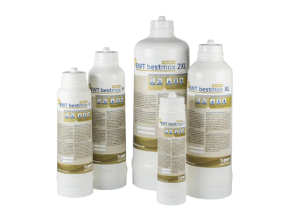
Use coffee-specific filtration systems or in-tank filters designed to balance minerals
Avoid using unbuffered distilled or reverse osmosis (RO) water unless it has been remineralized to a coffee-safe recipe
As a general guideline, aim for water hardness in the range of roughly 50–150 ppm as CaCO₃, or follow the manufacturer’s specific recommendations for your machine
Replace filters based on usage volume, not just time
Balanced water prevents internal blockages and protects heating efficiency.
Mineral deposits form naturally when heated water evaporates inside the machine. Over time, scale restricts flow, reduces pressure, and forces heaters to work harder.
Action steps:
Follow the manufacturer-recommended descaling frequency
Increase frequency if you live in hard water regions
Use descaling solutions designed for coffee equipment
Flush thoroughly after each cycle to remove residue
Consistent descaling keeps temperature stable and pump pressure healthy.
Coffee oils turn rancid quickly and cling to metal and plastic surfaces. Residue buildup directly causes bitterness, slow flow, and uneven extraction.
Daily and weekly actions:
Rinse filter baskets, brew heads, and drip trays after use
Backflush espresso machines weekly (if applicable)
Remove and wash brew groups in automatic machines
Use coffee equipment cleaners, not dish soap
Clean brew components maintain flavor clarity and water flow.
Milk dries fast and forms blockages that disrupt steam pressure and milk flow. Neglected milk lines are one of the most common service issues.
After each milk drink:
Purge steam wands immediately
Wipe wand tips with a damp cloth
Run automated milk rinses when available
Daily or weekly:
Use milk system cleaning solution
Disassemble the removable milk parts and wash thoroughly
Clean milk systems ensure consistent foam and prevent bacterial buildup.
Rubber seals and gaskets are under constant heat and pressure. As they age, they lose elasticity and allow water to escape.
Preventive replacements include:
Group head gaskets every 6–12 months
Shower screens when the flow becomes uneven
O-rings when minor leaks appear
Small replacements prevent larger mechanical failures.
Grinders directly affect extraction pressure and water flow resistance. Dirty burrs lead to uneven grind size and stale flavors.
Routine grinder care:
Brush burrs weekly for home use, daily for heavy use
Deep clean monthly using grinder-safe cleaning pellets
Avoid excessively oily beans when possible
Recalibrate grind after deep cleaning
Clean grinders protect pumps and improve shot consistency.
Cold metal absorbs heat from brewing water, causing unstable extraction temperatures.
Best practice:
Turn espresso machines on 15–25 minutes before use
Run a blank shot to warm the brew group and portafilter
Keep the portafilters locked in while heating
Stable temperature equals better flavor and reduced system stress.
Internal calibration drifts over time, even with good care. Sensors, pumps, and valves benefit from expert inspection.
Professional servicing typically includes:
Pressure and temperature calibration
Internal descaling beyond user access points
Electrical and pump health checks
Annual service prevents long-term failures in high-use machines.
A coffee machine performs best when its parts, water quality, and setup are aligned with how it’s actually used.
Understanding how your machine works and responding quickly to early symptoms is the most reliable way to prevent small coffee machine problems from turning into costly repairs or extended downtime.
At Pro Coffee Gear, we support home brewers and professionals with espresso machines, grinders, water filtration systems, and genuine replacement parts built for real-world use. If your machine needs maintenance, upgrades, or a complete refresh, shop with us to keep your setup running smoothly and your coffee consistent, cup after cup.
A failing pump often produces weaker pressure, inconsistent extraction times, or unusual humming sounds during brewing. If pressure drops gradually and cleaning does not fix the issue, the pump may need inspection or replacement.
This can happen due to a heater fault, wiring or insulation failure, moisture intrusion, or another failing internal component. Stop using the machine and have it inspected by a qualified technician.
Very oily beans can clog grinders and brew paths over time. The oil residue builds on burrs and internal parts, which may affect grind consistency and extraction pressure if not cleaned regularly.
With proper maintenance and water filtration, pumps and boilers can last many years. Replacement typically depends on usage volume rather than time, with commercial machines requiring service sooner than home units.
Basic cleaning, gasket replacement, and filter changes are generally safe for users. Electrical repairs, internal wiring, or high-pressure components should be handled by trained professionals to avoid safety risks.


